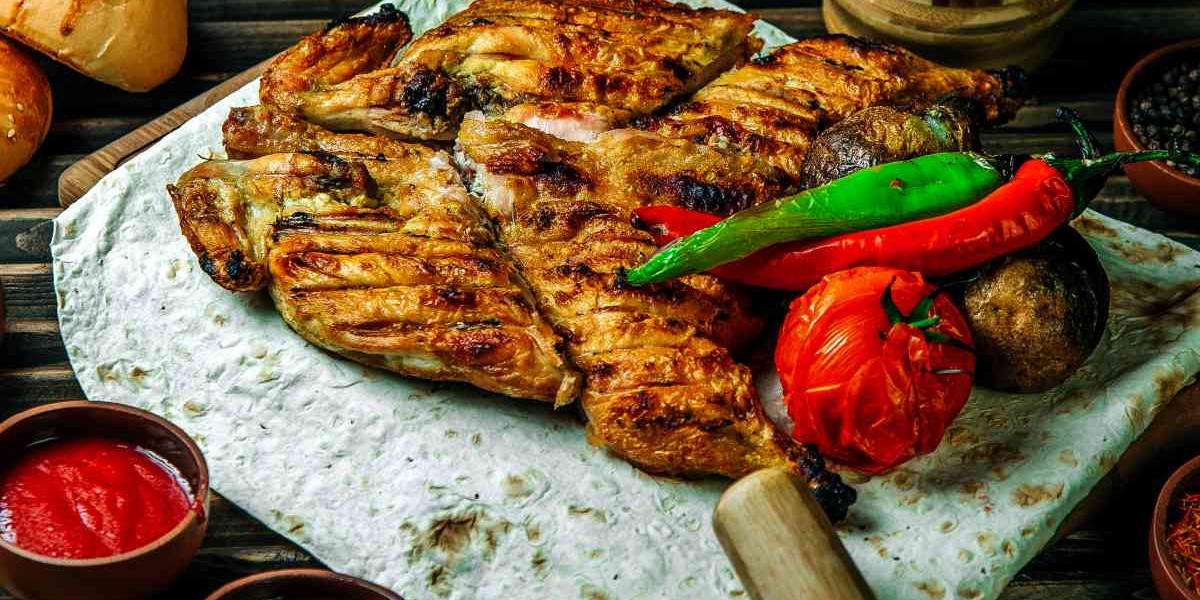

Few dishes deliver as much flavor for so little effort as Peri Peri Chicken. You get bright citrus, a garlicky punch, smoky paprika, and a slow-building heat, all wrapped around crisp-edged, tender meat. It tastes like something from a specialty grill house, yet every ingredient is easy to find.
This guide shows you how to make Homemade Peri Peri Chicken from scratch. It covers the history and flavor science behind the dish, a full ingredient list, step-by-step instructions for the oven, grill, and air fryer, heat adjustments, side dish pairings, storage, and troubleshooting. You will also find an FAQ section that answers the questions home cooks ask most.
Whether you are cooking for a family dinner, meal prepping, or feeding friends on the weekend, this is the one marinade you will keep coming back to.
What Is Peri Peri? Understanding the Sauce Behind the Dish
Peri peri (also spelled piri piri) is both a chili pepper and the sauce made from it. The pepper is the African bird’s eye chili, a small, fiery variety that grows wild across southern Africa. “Piri piri” means “pepper pepper” in Swahili, which hints at how seriously people take its heat.
The sauce itself is simple:
Chilies for heat and fruitiness
Garlic for pungency
Lemon juice and vinegar for acidity
Olive oil for richness and to carry fat-soluble flavors
Paprika, oregano, and salt for depth and smoke
That balance of heat, acid, and fat is why the sauce works so well on poultry. The acid brightens the meat, the oil keeps it moist, and the chili gives it a lingering warmth.
A Quick History of the Flavor
Portuguese explorers traveling through Africa in the 15th and 16th centuries found local chilies in Mozambique and Angola. They carried the peppers home and blended them with Mediterranean staples like garlic, lemon, and olive oil. What emerged is the dish many cooks now call Portuguese Peri Peri Chicken, a recipe shaped by African ingredients and Portuguese technique.
Today, grilled chicken with this sauce is popular in Portugal, South Africa, Mozambique, the United Kingdom, and North America. If you enjoy bold African-inspired cooking, browse our African cuisine collection for more recipes built on the same layered, spice-forward approach.
Why This Recipe Works: The Flavor Science
Understanding why a recipe works makes you a more confident cook. Here is what is happening in your marinade:
Acid tenderizes the surface. Lemon juice and vinegar loosen the outer layer of the meat, helping the marinade penetrate.
Fat distributes flavor. Capsaicin, the compound that makes chilies hot, dissolves in oil, so the olive oil spreads heat evenly.
Sugar and paprika build char. A touch of honey and smoked paprika caramelize on high heat, creating those dark, flavorful blistered spots.
Bone-in, skin-on cuts stay juicy. The bones regulate heat and the skin protects the meat while crisping up.
Is This Easy? Yes, and Here’s Why
Many cooks assume a dish with this much flavor must be complicated. Easy Peri Peri Chicken needs only a blender, a baking sheet, and a little advance planning. The hands-on work takes about 15 minutes. The marinade and the oven do the rest.
Ingredients You’ll Need
For the Marinade
6 to 8 African bird’s eye chilies, stems removed (or 4 red Fresno chilies plus 1 habanero)
6 garlic cloves, peeled
⅓ cup (80 ml) fresh lemon juice (about 2 large lemons)
¼ cup (60 ml) olive oil
2 tablespoons red wine vinegar
2 teaspoons smoked paprika
1 teaspoon dried oregano
1 tablespoon honey (optional but recommended)
1 teaspoon salt
½ teaspoon black pepper
1 roasted red pepper, from a jar (optional, for body and sweetness)
For the Chicken
3 pounds (1.4 kg) bone-in, skin-on chicken thighs and drumsticks, or one 3.5 to 4 pound (1.6 to 1.8 kg) whole chicken, spatchcocked
Extra olive oil for the pan
Lemon wedges and fresh parsley for serving
Ingredient Notes and Substitutions
No bird’s eye chilies? Use Thai chilies, Fresno chilies, or a mix of red jalapeño and habanero. Taste the sauce and adjust.
Dried chilies work too. Soak about 10 dried chilies de árbol in hot water for 15 minutes before blending.
Vinegar swap: White wine vinegar or apple cider vinegar both work.
Dairy-free and gluten-free: The recipe is naturally both.
Prefer white meat? Bone-in chicken breasts work, but cook them a little less and watch the internal temperature closely.
Step-by-Step Instructions
Step 1: Blend the Sauce
Add the chilies, garlic, lemon juice, olive oil, vinegar, paprika, oregano, honey, salt, pepper, and roasted red pepper to a blender. Blend until mostly smooth. Taste a tiny drop on a spoon. It should taste bright, tangy, and noticeably spicy.
Safety tip: Wear gloves when handling hot chilies, and avoid touching your eyes.
Step 2: Reserve Some Sauce
Pour about ⅓ of the sauce into a clean jar and refrigerate it. You will use this for basting and serving. Never reuse marinade that has touched raw chicken unless you boil it first.
Step 3: Prep the Chicken
Pat the chicken dry with paper towels. Cut 2 or 3 shallow slashes into the thickest parts of each piece. These help the marinade soak in and the meat cook evenly. If using a whole bird, remove the backbone with kitchen shears and flatten the chicken, a technique called spatchcocking.
Step 4: Marinate
Place the chicken in a large zip-top bag or glass dish. Pour the remaining sauce over it and massage it into every crevice, including under the skin. Refrigerate for at least 4 hours, ideally 12 to 24 hours. Do not exceed 24 hours, since the acid can make the meat mushy.
Step 5: Preheat the Oven
Heat your oven to 425°F (220°C). Line a rimmed baking sheet with foil or parchment and set a wire rack on top if you have one. The rack lets hot air circulate and keeps the skin crisp.
Step 6: Roast
Arrange the chicken skin-side up with a little space between pieces. Roast for:
Thighs and drumsticks: 35 to 45 minutes
Spatchcocked whole chicken: 45 to 55 minutes
Bone-in breasts: 30 to 40 minutes
Baste once halfway through with a little reserved sauce.
Step 7: Check the Temperature
Insert an instant-read thermometer into the thickest part of the meat without touching bone. It should read 165°F (74°C). Dark meat is often more tender at 175°F (79°C).
Step 8: Char and Rest
For extra blistered edges, broil on high for 2 to 3 minutes at the end, watching closely. Let the chicken rest for 10 minutes before serving so the juices redistribute.
Other Ways to Cook It
On the Grill
Grill over medium heat, with one side hot and one side cooler. Start skin-side down over the hot zone for 5 to 6 minutes, flip, then move to the cooler side with the lid closed until the chicken reaches 165°F (74°C). Brush with reserved sauce in the last 5 minutes.
In the Air Fryer
Cook at 380°F (193°C) for 22 to 28 minutes for thighs and drumsticks, flipping halfway. Work in batches to avoid crowding the basket.
On the Stovetop
Sear the chicken in a large oven-safe skillet for 4 minutes per side, then transfer the pan to a 400°F (200°C) oven for 20 to 25 minutes.
How to Control the Heat Level
People tolerate chili heat very differently, so this recipe is designed to flex.
Heat Level | Adjustment |
Mild | Use 2 to 3 chilies, remove the seeds, and add extra honey |
Medium | Use 4 to 5 chilies with seeds |
Hot | Use 6 to 8 bird’s eye chilies |
Extra hot | Add a habanero or increase to 10 chilies |
If you want Spicy Peri Peri Chicken that really bites, leave the seeds in, add an extra chili, and serve with a spoonful of reserved sauce on the side. If you are cooking for kids or heat-sensitive guests, make the sauce mild and offer hot sauce at the table.
If you overshoot the heat, a squeeze of lemon, a spoonful of yogurt, or a side of rice will cool things down quickly.
What Makes This an Authentic Approach
The following techniques are what separate a genuine Authentic Peri Peri Chicken Recipe from a generic spicy marinade:
Fresh chilies, not just chili powder. Fresh chilies give a fruity heat that powder can’t replicate.
A real acid base. Lemon and vinegar are essential, not optional.
Charring. The dark, blistered spots are a signature of the dish.
Basting with extra sauce. Traditional preparations brush on sauce during and after cooking.
Expert Tips for the Best Results
Dry the chicken first. Surface moisture prevents browning.
Marinate overnight. The flavor depth is noticeably better after 12 hours.
Use a thermometer. It is the most reliable way to avoid dry or undercooked meat.
Don’t crowd the pan. Crowded chicken steams instead of roasting.
Rest the meat. Ten minutes makes a visible difference in juiciness.
Toast your spices. If using whole spices, toast them briefly in a dry pan before grinding for deeper flavor.
Save some sauce. A fresh drizzle at the table keeps the flavor vivid.
What to Serve With It
The bold sauce pairs best with sides that are cooling, starchy, or fresh. A few ideas:
Fragrant rice: Try our lemongrass rice recipe for a citrusy, aromatic base that complements the chili heat.
Crispy potatoes: Our guide to crispy air-fried potatoes gives you golden, crunchy wedges that soak up extra sauce.
Vegetables: For a lighter plate, follow our method for air roasted vegetables, which adds color and a bit of sweetness.
Simple salad: Cucumber, tomato, and red onion with lemon and olive oil.
Coleslaw or garlic yogurt sauce: Creamy and cool, which balances the spice.
Warm flatbread or pita: Ideal for scooping up juices.
Meal Prep, Storage, and Reheating
Refrigerator
Store cooked chicken in an airtight container for up to 4 days.
Freezer
Freeze cooked pieces for up to 3 months. You can also freeze raw chicken in the marinade for up to 3 months. Thaw it overnight in the fridge before cooking.
Reheating
Reheat in a 350°F (175°C) oven for 15 to 20 minutes, or in the air fryer at 360°F (182°C) for 6 to 8 minutes. This restores crispness better than the microwave.
Leftover Ideas
Shred the meat for wraps, tacos, or rice bowls.
Toss it into pasta with a splash of cream.
Chop it into a salad with avocado and greens.
Simmer leftovers in a stew. If you enjoy hearty one-pot meals, our East African style chicken stew is a great companion recipe to try next.
Delicious Variations to Try
Honey-lime: Swap lemon juice for lime and increase the honey.
Smoky chipotle: Add 1 chipotle in adobo to the blender.
Herb-forward: Blend in a handful of fresh cilantro or parsley.
Coconut peri peri: Replace half the olive oil with coconut milk for a creamy, Mozambican-inspired twist.
Skewers: Cut boneless thighs into chunks, marinate, and thread onto skewers for quick grilling.
Wings: Bake wings at 425°F (220°C) for 40 to 45 minutes, flipping once.
Nutrition Overview
Exact values depend on the cut and portion size, but a typical serving of roasted chicken thigh with this marinade provides a strong amount of protein with moderate fat. It is naturally low in carbohydrates and works well for high-protein and low-carb eating. Skinless breast meat lowers the fat further.
Nutrition information is an estimate. For specific dietary needs, consult a registered dietitian.
Troubleshooting Common Problems
The chicken is dry.
You probably overcooked it. Use a thermometer, and choose thighs and drumsticks, which are more forgiving.
The skin isn’t crispy.
Pat the chicken dry, use a wire rack, and finish under the broiler for a few minutes.
The sauce tastes bitter.
Over-blended garlic or too much chili seed can cause bitterness. Add a teaspoon of honey and a pinch of salt to balance it.
It’s too spicy.
Next time, remove the seeds or use fewer chilies. For now, serve with yogurt, rice, or bread.
The marinade burns.
Sugar in the marinade can scorch at high heat. Wipe off excess marinade before roasting, or lower the heat slightly.
Conclusion
Great Peri Peri Chicken comes down to a handful of simple principles: a fresh, balanced marinade, enough time for the flavors to sink in, high heat for char, and a thermometer to keep the meat juicy. Once you have the sauce down, you can cook it in the oven, on the grill, or in the air fryer, and adapt the heat to suit your table.
Give it a try this week, then come back and tell us how you adjusted the heat. At Devine Dishes, we believe confident home cooking starts with a few reliable recipes, and this one earns its place on that list.
Frequently Asked Questions
What does peri peri taste like?
It tastes tangy, garlicky, and smoky, with a medium-to-hot chili kick. The lemon and vinegar give it a bright finish, and the heat builds gradually instead of hitting all at once.
Is peri peri the same as piri piri?
Yes. The two spellings refer to the same chili and sauce. “Piri piri” is more common in Portuguese, while “peri peri” is more common in South African and international usage.
How long should I marinate the chicken?
Marinate for at least 4 hours, but 12 to 24 hours gives the best flavor. Avoid going beyond 24 hours, because the acid can alter the texture of the meat.
What temperature should chicken be cooked to?
Chicken is safe at an internal temperature of 165°F (74°C). Dark meat like thighs and drumsticks tastes more tender at around 175°F (79°C).