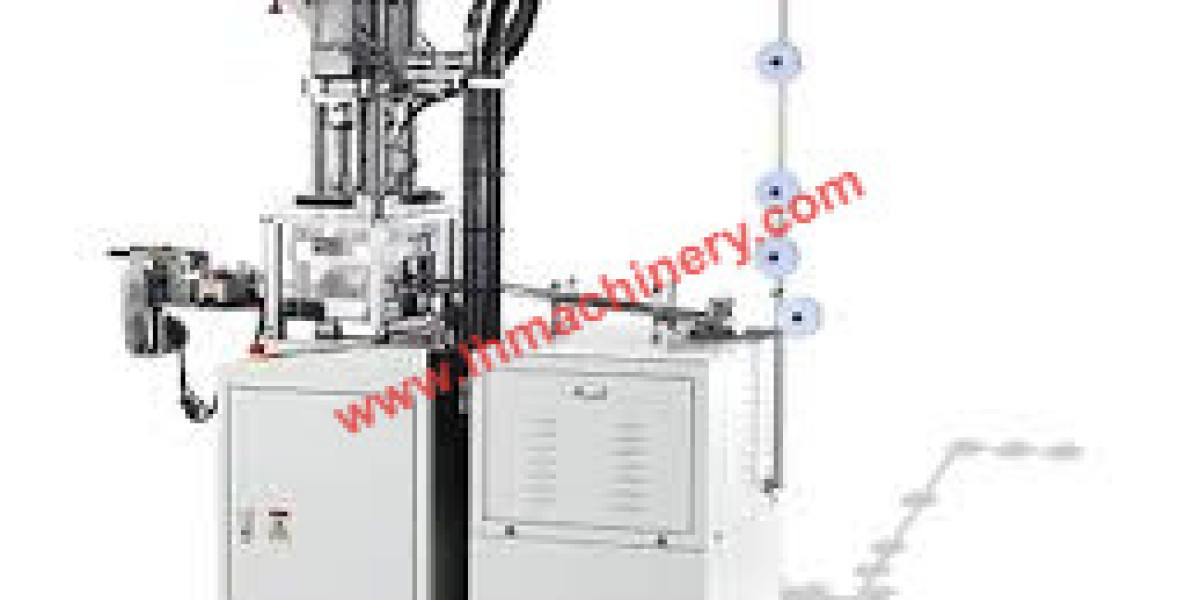

People who work around zipper production like to say that the machine is easy to buy and hard to live with, and after watching a few lines I understand why. When buyers start comparing equipment for making a resin zipper, the conversation usually opens with output, yet the parameters that decide daily satisfaction tend to be quieter ones, and they are worth sorting out before a quotation is signed.
Begin with the products you make today and the ones you hope to make next. Tooth size, tape width, and the length of chain all change which molds and which tape guides a machine needs, so a unit that handles only part of your catalog can leave a corner of your orders idle. Write down the smallest and largest chain you expect to run, with the tape type, and give that list to every supplier, because a vague brief produces a vague answer.
Mold changeover is the hidden cost. A machine may run happily for hours, yet if every new tooth size means a long swap of molds, cooling lines, and guides, the plant loses real production across a month. Ask how heavy the molds are, how they are lifted and located, and whether a trained operator can switch between common sizes without calling an engineer.
Tape handling deserves its own line in the conversation. Tape that drifts sideways by a hair produces teeth that sit crooked on the edge, and a feeder that is hard to thread invites mistakes on every roll change. I once stood beside an operator who spent several minutes re-threading a tape path that had no clear guide marks, and the first meters of chain afterward went straight to the scrap bin.
Heating and cooling come next. Check how the melt is prepared, how evenly the mold stays at temperature, and how simple the cooling circuits are to clean, because blocked channels are among the common causes of warped teeth and sticky release. Ask what material the machine is designed to run and whether the settings can be saved and recalled, since a chain that looked right on Monday should look the same on Friday.
Control and inspection features vary widely, so ask what is standard and what is optional, including counting, fault alarms, and any arrangement for spotting missing or misshapen teeth. Also ask about footprint, noise, and power supply, since a narrow aisle or a limited electrical connection can turn a capable machine into an awkward one. I am describing general buying points, since no specification sheet for a particular model came with this brief, and exact figures should come from the supplier in writing.
Think about the relationship behind the machine as well. Ask who commissions it, how training is handled, how spare molds and parts are shipped, and how a fault is reported and answered once production is under way. Request a sample run on your own tape with your own material, then pull the finished chain through your fingers and listen for a smooth, even whisper.
The machine pages at https://www.lhmachinery.com show layouts and stations in photographs, but the weight of a mold and the feel of a tape guide only reveal themselves in a trial. On the last run I watched, a resin zipper chain came off the line with clean, evenly spaced teeth, and the operator was still arguing with the supervisor about whether the saved changeover time was worth the slower setting that produced them.






