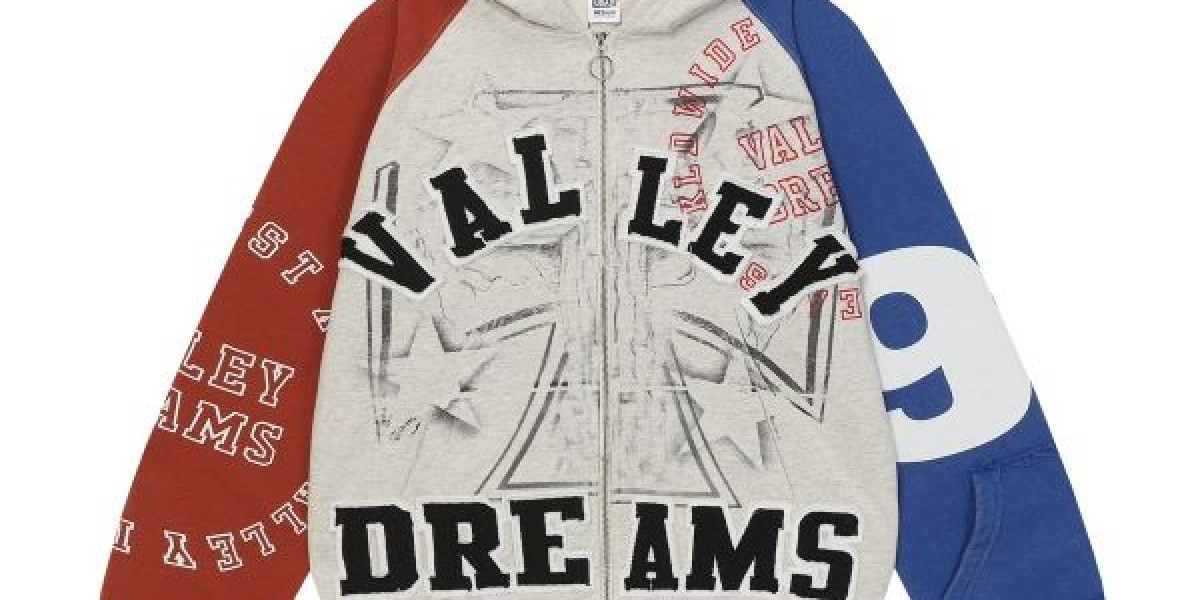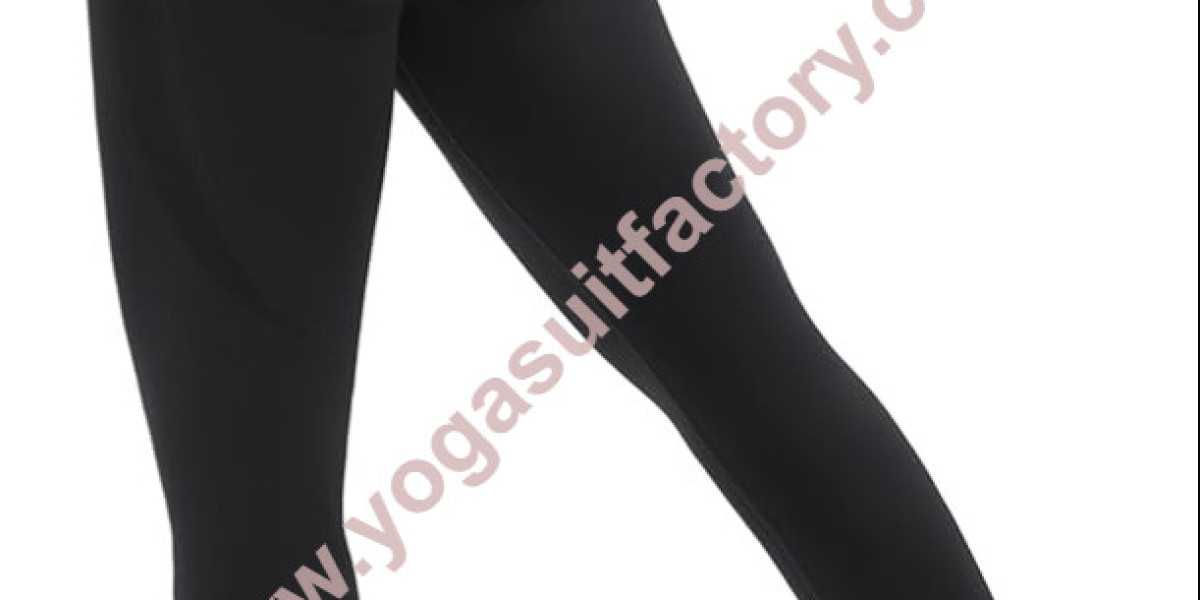

"I want support around my waist, but I do not want my leggings to feel restrictive." This is a common consideration when choosing Tummy Control Activewear, especially for people who wear fitness clothing during workouts and ordinary daily activities. The term can describe garments designed with a supportive waist area and a close-fitting silhouette, but the actual wearing experience depends on several construction details. Waistband height, fabric stretch, garment sizing, seam placement, and overall fit all deserve attention before an order is placed. A product photograph may show the general appearance, yet it cannot explain how the garment feels when sitting, bending, or moving through an exercise session.
The waistband is a useful starting point because it determines how the garment sits around the midsection. Buyers should examine its height, width, construction, and relationship with the main body fabric. A wide waistband distributes contact across a larger area, while a narrow design creates a different sensation around the waist. The choice depends on personal preference and the intended wearing situation. I would pay particular attention to the upper edge when reviewing a sample, since this is where rolling, folding, or unwanted pressure may become noticeable. Product descriptions should clarify whether the waistband uses a separate panel or forms part of the garment's main construction.
Fabric flexibility is another important purchasing consideration. Activewear needs to accommodate movements such as squatting, stretching, walking, and sitting, so buyers should understand how the selected textile behaves under tension. A fabric that feels comfortable while standing may create a different sensation when the hips bend or the knees move. During sample evaluation, I usually suggest observing how the material returns to its resting shape after being gently stretched. The surface feel also matters because the garment stays in contact with the skin during extended wear. Exact fiber composition and fabric weight should be requested from the supplier rather than assumed from product photographs.
Sizing requires attention beyond the usual small, medium, and large labels. Buyers should request the supplier's actual measurement chart and compare it with the intended customer's body measurements. Waist, hip, inseam, and garment length can all influence how a fitted product sits. The relationship between waist and hip measurements is particularly relevant because a garment may fit comfortably around one area while feeling restrictive or loose around another. When preparing an order, it is useful to clarify whether measurements refer to the finished garment or the recommended body dimensions. These are different references and should not be treated as interchangeable.
Seam placement can also affect the wearing experience. Stitching around the waistband, inner leg, and hip area may come into contact with the body during repeated movement. Buyers should examine sample garments from both the exterior and interior, paying attention to seam alignment, thread visibility, and areas where several fabric sections meet. A bulky seam near the waist can feel noticeable when someone sits for a long period, while poorly positioned stitching may create friction during exercise. The garment's construction should therefore be considered as part of its intended use, rather than judged solely by its appearance on a hanger.
The intended activity should guide the selection process. Someone purchasing leggings for yoga may focus on flexibility during floor exercises and extended stretching, while a customer buying clothing for gym sessions may pay attention to how the waistband behaves during repeated changes in posture. Everyday wear introduces another set of considerations, including comfort while driving, working at a desk, or walking through a shopping area. Buyers should communicate the intended use when discussing product development with a manufacturer. This helps clarify the expected fit, coverage, and garment structure without assuming that one design will suit every activity.
Product sampling is useful when the purchase involves customized styles or wholesale quantities. A sample allows buyers to inspect the actual fabric, waistband construction, stitching, garment shape, and finishing details. It also provides an opportunity to test the fit through ordinary movements rather than relying on a flat measurement chart. For a manufacturer, clear feedback is important during this stage. Comments should identify specific areas, such as pressure at the upper waist, excess fabric around the hips, or a length adjustment, instead of relying on general descriptions like comfortable or uncomfortable. These observations can be recorded before the final design is approved.
Yongxing operates in the sportswear and yoga clothing manufacturing sector, with product categories that include yoga pants, sports tops, shorts, and body-shaping garments. Its manufacturing discussions can involve garment styles, fit requirements, and customer-specific product development, depending on the order. The company's business information is presented at https://www.yogasuitfactory.com/, providing a reference for its apparel range and supplier identity. When selecting Tummy Control Activewear, buyers may still need to weigh two different preferences: a firm waistband sensation that keeps the garment closely positioned around the waist, or a softer fit that allows a less noticeable feeling during prolonged sitting.