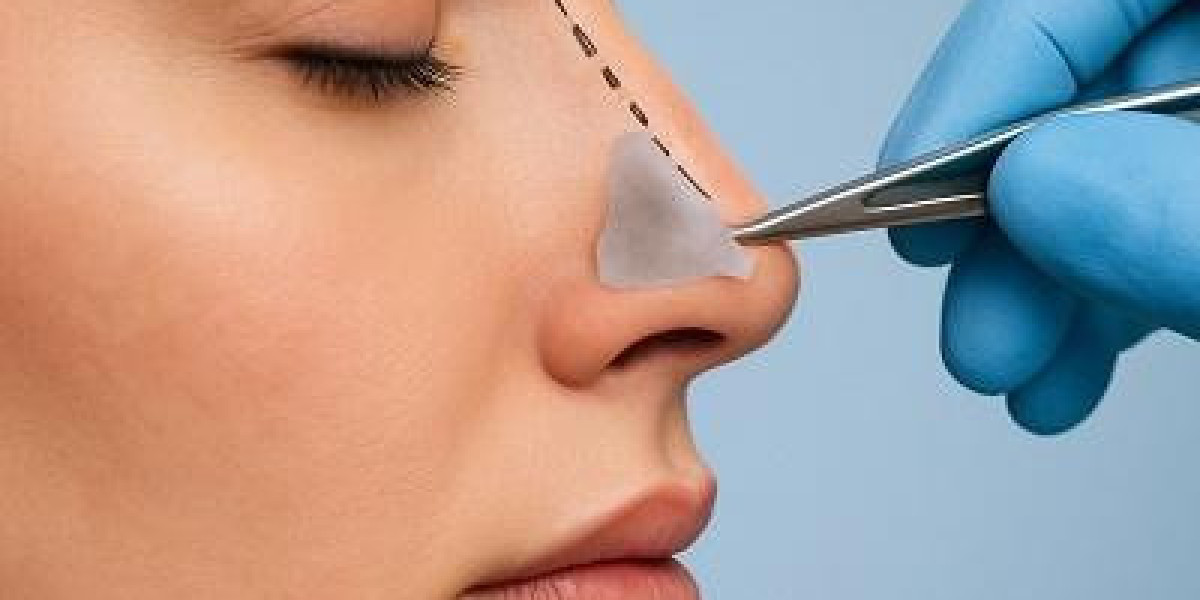

Rhinoplasty is a surgical procedure that reshapes the nose to improve facial balance, refine nasal features, or address certain breathing problems. Although much of the recovery process involves managing swelling and allowing the tissues to heal, everyday habits can also influence comfort and healing. One common concern among patients is whether wearing glasses after surgery can affect the final result.
Glasses rest on the nasal bridge, which may remain sensitive and vulnerable after rhinoplasty. The pressure created by eyeglass frames can potentially affect healing tissues, particularly when the nasal bones have been reshaped or repositioned. For this reason, patients are often advised to avoid placing unnecessary weight on the nose during the early recovery period.
For individuals researching Rhinoplasty Surgery in Muscat, understanding how glasses may influence recovery can help them prepare for surgery and plan practical alternatives. Whether a patient wears prescription glasses for clear vision or sunglasses for protection from bright sunlight, the right precautions can make the healing period more manageable.
The recommended restrictions vary depending on the surgical technique, the condition of the nasal structures, and the individual's healing progress. Following personalized postoperative instructions is essential because the nose may need several weeks or longer before it can safely tolerate pressure from glasses.
1. Why Can Glasses Affect Healing After Rhinoplasty?
Glasses may appear lightweight, but their nose pads or bridge can place concentrated pressure on the nasal bones and surrounding soft tissues. After rhinoplasty, these structures may be swollen, tender, and more vulnerable to external pressure than usual.
When a procedure involves reshaping or repositioning the nasal bones, the bones need time to stabilize. Pressure from glasses during this period may cause discomfort and, in some circumstances, interfere with the desired healing process. The risk depends on the extent of the surgery, the weight and design of the frames, and how much pressure they place on the bridge.
Even when the operation primarily involves cartilage or the nasal tip, swelling and tenderness may make glasses uncomfortable. The skin and underlying tissues also require time to recover from surgical manipulation.
Another consideration is that pressure may leave temporary marks or aggravate sensitive areas. Although wearing glasses briefly does not automatically mean that the surgical result has been damaged, repeatedly placing weight on a healing nasal bridge without appropriate guidance may create avoidable problems.
Patients considering Rhinoplasty Surgery in Muscat should discuss their usual eyewear habits during the preoperative consultation. This is particularly important for individuals who rely on glasses throughout the day for work, driving, reading, or other routine activities.
Planning ahead allows patients to explore alternatives before surgery rather than trying to find a solution while dealing with swelling and discomfort. A suitable eyewear plan can help protect the healing nose while allowing patients to maintain their normal visual needs as safely as possible.
2. How Long Should Patients Avoid Wearing Glasses After Rhinoplasty?
The time required to avoid glasses depends largely on whether the surgery involved the nasal bones and how quickly the nose heals. There is no single timeline that applies to every patient.
In many cases, patients are advised to avoid resting glasses directly on the nasal bridge for approximately four to six weeks after rhinoplasty. If the nasal bones have been extensively reshaped, the surgeon may recommend a longer period, sometimes extending to several months.
The first one to two weeks are particularly important because swelling, bruising, and tenderness are often most noticeable during this stage. A nasal splint may be used to support and protect the nose, and patients should not place glasses over or around it unless specifically instructed to do so.
After the initial recovery period, the nose may look considerably better while the underlying structures continue to heal. Reduced swelling does not necessarily mean the nasal bones are ready to tolerate the normal pressure of eyeglass frames.
For people researching Rhinoplasty Surgery in Muscat, it is important to understand that the recommended waiting period should be based on the procedure performed rather than a general online guideline. A patient who undergoes extensive bone reshaping may need different precautions from someone whose surgery involves limited work on the nasal tip.
At follow-up appointments, the surgeon can assess healing and advise when regular glasses can be resumed. Patients should avoid testing the nose by repeatedly putting glasses on and taking them off before receiving clearance.
If glasses cause pain, leave deep marks, or create pressure over the bridge, they should be removed and the surgical team contacted for advice. A cautious approach helps reduce unnecessary pressure during a period when the nasal structures are still recovering.
3. What Alternatives Can Help Patients Who Need Glasses?
For people who depend on prescription eyewear, avoiding glasses after rhinoplasty can be inconvenient. Fortunately, several alternatives may help maintain clear vision while reducing pressure on the healing nose.
The most appropriate option depends on the patient's eyesight, daily activities, medical history, and the surgeon's instructions.
Contact lenses
Contact lenses may be a practical alternative for eligible patients who already use them or can safely begin using them with appropriate professional guidance. They avoid placing weight directly on the nasal bridge and can be particularly useful during the period when glasses are restricted.
However, contact lenses are not suitable for everyone. Patients who experience dry eyes, irritation, or difficulty inserting and removing lenses may need another option. They should also follow hygiene instructions carefully, especially during postoperative recovery.
Patients should ask when contact lenses can be safely used after surgery, as the answer may depend on comfort, swelling, and any associated eye or facial concerns.
Glasses-support systems
Specialized eyewear supports can help keep frames from resting directly on the nose. Depending on the design, these systems may attach to the forehead, ears, or another support point.
Examples include forehead-supported glasses, eyeglass suspension devices, and adjustable supports that reduce contact with the nasal bridge. Their suitability depends on the individual and the type of frames used.
Patients should not improvise a support system that presses against the nose, interferes with a surgical splint, or creates tension around healing tissues. Any device should be discussed with the treating surgeon before use.
Temporary vision alternatives
Some patients may be able to adjust their routines temporarily by using approved alternatives for reading or other close-up tasks. However, these approaches will not be sufficient for everyone, particularly people with significant refractive errors.
Individuals considering Rhinoplasty Surgery in Muscat should arrange their vision-management plan before the procedure. Discussing options in advance can make daily activities easier and reduce the temptation to wear ordinary glasses before it is safe.
4. Can Sunglasses Affect Rhinoplasty Recovery?
Sunglasses can create the same pressure concerns as prescription glasses because they often rest on the nasal bridge. In addition, some sunglasses are heavier than ordinary frames, increasing the weight placed on healing tissues.
Patients are commonly advised to avoid wearing sunglasses directly on the nose during the early recovery period. The appropriate restriction depends on the surgical technique and the surgeon's assessment of healing.
Sun protection remains important after surgery, particularly when bruising or skin sensitivity is present. Exposure to sunlight may contribute to the persistence of discoloration in healing skin, so patients should follow advice about shade, hats, and suitable sunscreen once it is safe to apply products to the affected area.
For individuals living in or visiting Muscat, bright sunlight can make sunglasses seem essential for outdoor comfort. Planning alternative sun protection can help during the period when frames should not rest on the nose.
A wide-brimmed hat, seeking shade, and limiting outdoor exposure during the brightest hours can provide useful protection. Patients should also avoid allowing hats, visors, or other accessories to press against the nose accidentally.
If sunglasses are necessary for a particular activity, the patient should ask the surgeon whether a supported frame or another temporary solution is appropriate. The frame should not rest on the healing nasal bridge unless permission has been given.
Patients researching Rhinoplasty Surgery in Muscat should remember that protecting the nose involves more than avoiding glasses. Careful handling, avoiding accidental impact, and following postoperative instructions all contribute to a safer recovery.
5. What Happens If Glasses Are Worn Too Soon After Rhinoplasty?
Accidentally wearing glasses for a short period does not automatically mean that rhinoplasty results have been damaged. The potential effect depends on the amount of pressure, the stage of recovery, and whether the nasal bones were repositioned.
Some patients may notice temporary discomfort or marks where the frames touch the skin. Others may experience increased tenderness or pressure over the nasal bridge. These symptoms should be taken seriously, but they do not necessarily indicate a structural problem.
Repeated or substantial pressure during early healing may be more concerning, particularly after procedures that involve changing the position of the nasal bones. In such circumstances, the surgeon may need to examine the nose to determine whether any intervention is required.
Patients should remove glasses if they cause discomfort and contact their surgical team if symptoms persist or if there is concern about the shape of the nose. They should not attempt to press the nose back into position, massage the bridge, or adjust a splint without medical advice.
Urgent assessment is important if glasses-related pressure is followed by significant bleeding, sudden swelling, severe or increasing pain, a visible change in nasal alignment, or new difficulty breathing.
For those undergoing Rhinoplasty Surgery in Muscat, follow-up appointments provide an opportunity to review healing and discuss any accidental pressure on the nose. Prompt communication is more helpful than relying on assumptions about whether the surgical result has been affected.
The best approach is to avoid unnecessary worry while taking new or worsening symptoms seriously. A qualified specialist can determine whether the nose is healing normally and whether any changes to postoperative care are needed.
6. How Can Patients Protect Their Nose While Wearing Glasses Again?
Once the surgeon confirms that glasses can be worn again, patients should return to regular eyewear gradually and pay attention to comfort. Clearance does not mean that every frame will be equally suitable immediately.
Lightweight frames may be more comfortable than heavy designs because they place less weight on the nasal bridge. Properly fitted frames can also reduce unnecessary pressure, although fit alone does not eliminate the need to follow the recommended waiting period.
Patients should avoid frames that slide down repeatedly or require frequent adjustment against the nose. Tight nose pads and poorly positioned bridges may create localized pressure, so an optician can help assess the fit once the surgeon permits normal eyewear.
If the nose remains sensitive, the patient should report discomfort rather than trying to tolerate it. The surgeon may recommend additional time without direct pressure or suggest an alternative support system.
It is also useful to handle glasses carefully when putting them on or taking them off. Sudden movements, accidental bumps, or pressure from one side of the frame can irritate healing tissues.
Patients should continue attending scheduled follow-up appointments, even if the external appearance seems satisfactory. The surgeon can evaluate the nasal structure and provide guidance based on the stage of healing.
For anyone considering Rhinoplasty Surgery in Muscat, preparation is an important part of recovery. Arranging suitable eyewear alternatives, choosing lighter frames for later use, and following professional advice can help protect the nose while minimizing disruption to everyday life.
Frequently Asked Questions About Glasses After Rhinoplasty
1. How soon can patients wear glasses after rhinoplasty?
Many patients are advised to avoid placing glasses directly on the nasal bridge for around four to six weeks. However, the appropriate timeline depends on the surgical technique and whether the nasal bones were reshaped. The surgeon should confirm when normal eyewear can be resumed.
2. Can glasses change the shape of the nose after rhinoplasty?
Pressure from glasses during early healing may create discomfort and could potentially affect healing nasal structures, particularly after bone reshaping. Wearing glasses briefly does not automatically damage the result, but prolonged or repeated pressure should be avoided until the surgeon gives clearance.
3. Are contact lenses safe after rhinoplasty?
Contact lenses may be a useful alternative because they do not rest on the nasal bridge. Patients should consider their usual contact lens tolerance, eye health, and ability to maintain proper hygiene. They should ask their treating professional when it is appropriate to use them after surgery.
4. Can patients wear sunglasses after rhinoplasty?
Sunglasses can put pressure on the nasal bridge just like prescription glasses. Patients are generally advised to avoid direct pressure during early recovery and use alternatives such as a hat and shade. The surgeon can recommend when sunglasses can be worn safely again.
5. What should a patient do if glasses accidentally press against the nose?
The patient should remove the glasses and check for persistent pain, swelling, bleeding, or changes in nasal alignment. Brief pressure does not necessarily mean damage has occurred. If symptoms persist or the nose looks different, the surgical team should be contacted promptly.
6. Are lightweight glasses safe earlier than heavy frames?
Lightweight frames may place less pressure on the nose, but they are not automatically safe during early recovery. Even light glasses can exert pressure on healing tissues. Patients should use approved alternatives until their surgeon confirms that direct pressure is appropriate.
Final Thoughts
Glasses can affect comfort and potentially influence healing after rhinoplasty because they rest directly on the nasal bridge. The risk is particularly relevant during the early recovery period, when swelling is present and the nasal bones may still be stabilizing.
Many patients need to avoid direct pressure from glasses for approximately four to six weeks, while others may require longer restrictions depending on the procedure. Contact lenses, specialized eyewear supports, and alternative sun-protection methods can help make this period more manageable.
For individuals researching Rhinoplasty Surgery in Muscat, the most reliable approach is to plan ahead, follow personalized postoperative instructions, and attend scheduled follow-up appointments. Avoiding unnecessary pressure and seeking advice when unexpected symptoms occur can help support healing and protect the surgical result.
Read More About Rhinoplasty Surgery:https://www.panchit.com/blogs/120871/Rhinoplasty-Surgery-for-Asymmetrical-Nostrils-What-to-Know