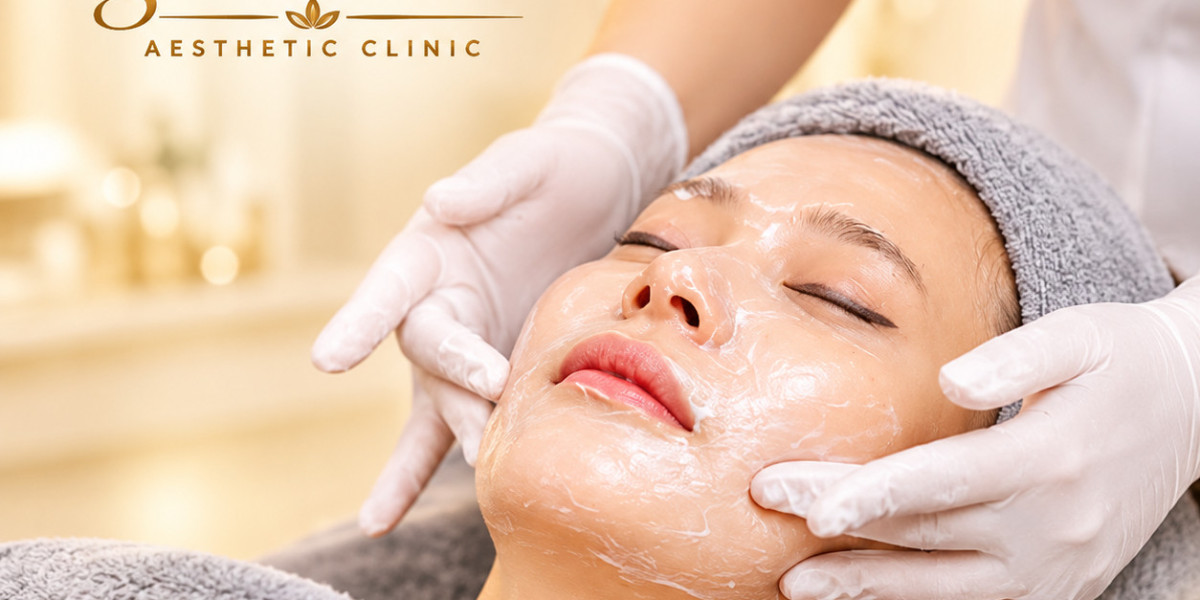

Sun exposure is one of the major causes of skin damage, often leading to dark spots, uneven skin tone, pigmentation, and premature ageing. Over time, harmful ultraviolet (UV) rays can affect the skin's natural texture and appearance. Although some sun damage can improve with appropriate skincare and professional treatments, the results depend on the severity of the damage.People experiencing persistent pigmentation and tanning often consider Skin Whitening in Islamabad to improve their complexion and achieve a more even skin tone. Understanding which treatments can address sun damage and which changes require long-term care is important before choosing a procedure.
How Does Sun Exposure Damage the Skin?
Sunlight contains ultraviolet rays that can affect the skin in different ways. UVA rays penetrate deeper into the skin and contribute to premature ageing, while UVB rays are primarily responsible for sunburn. Repeated exposure can stimulate excess melanin production, resulting in dark patches, tanning, and uneven pigmentation.
Common signs of sun damage include:
Dark spots and sunspots
Uneven skin tone
Persistent tanning
Fine lines and wrinkles
Rough or dry skin texture
Melasma and other pigmentation concerns
In more severe cases, prolonged UV exposure can also increase the risk of skin cancer. Therefore, unusual or changing spots should be examined by a qualified dermatologist.
Can Skin Whitening Treatments Reverse Sun Damage?
Skin whitening treatments can improve certain visible signs of sun damage, particularly pigmentation, tanning, and uneven skin tone. However, they cannot completely reverse every type of UV-related skin damage.Professional treatments aim to reduce excess pigmentation, encourage healthier skin renewal, and improve overall skin appearance. The appropriate option depends on the individual's skin type, pigmentation concerns, and treatment goals.For example, superficial pigmentation may respond well to topical products and chemical peels, while deeper pigmentation may require a carefully planned treatment approach.It is important to understand that improving skin tone is different from reversing structural damage caused by prolonged sun exposure.
Which Treatments Help Reduce Sun Damage?
Different professional treatments can help address pigmentation and improve the appearance of sun-damaged skin.
Chemical Peels
Chemical peels use specially formulated solutions to exfoliate the outer layers of the skin. This process removes dead skin cells and encourages new skin growth.Depending on the type and strength of the peel, it may help reduce:
Sunspots
Uneven pigmentation
Mild tanning
Rough skin texture
Dullness
A dermatologist should select the appropriate peel because aggressive treatments can sometimes worsen pigmentation, especially in darker skin tones.
Laser Skin Treatments
Laser treatments use controlled light energy to target specific skin concerns. Certain laser technologies can help reduce sunspots, pigmentation, and other visible signs of sun damage.The treatment type depends on the depth and nature of pigmentation. Not every laser is suitable for every skin type, and some procedures may cause temporary redness, swelling, or post-inflammatory hyperpigmentation.
Topical Skin-Lightening Products
Dermatologists may recommend topical ingredients to manage excess pigmentation and improve uneven skin tone.
Common ingredients include:
Vitamin C
Niacinamide
Azelaic acid
Retinoids
Hydroquinone, when prescribed and monitored by a dermatologist
These ingredients work through different mechanisms, including reducing melanin production and supporting skin renewal. Consistent use and professional guidance are important for achieving safe results.
Medical-Grade Skincare
A suitable skincare routine can support professional treatments and improve the appearance of sun-damaged skin. Products containing antioxidants, moisturisers, and gentle exfoliating ingredients may help maintain healthier-looking skin.However, using too many active ingredients together can irritate the skin and potentially worsen pigmentation.
Who Is a Suitable Candidate for Skin Whitening Treatments?
People experiencing sunspots, uneven skin tone, tanning, or certain types of hyperpigmentation may benefit from professional skin treatments.A suitable candidate generally:
Has visible pigmentation or uneven complexion.
Wants to improve sun-related dark spots.
Has realistic expectations about treatment results.
Can follow the recommended skincare routine.
Is willing to use daily sun protection.
Individuals with active skin infections, severe irritation, or unexplained skin lesions may need medical assessment before undergoing cosmetic procedures.
How Long Does It Take to See Results?
The time required to notice improvements depends on the treatment method, pigmentation depth, and individual skin response.Topical skincare products may take several weeks or months to show noticeable changes. Chemical peels and laser treatments may produce improvements over multiple sessions, depending on the concern being treated.Deeper pigmentation, such as melasma, can be particularly challenging and may require ongoing management. Results are not always permanent because continued sun exposure can trigger pigmentation again.Following professional aftercare instructions is essential for maintaining improvements.
How Can You Prevent Further Sun Damage?
Preventing additional UV damage is just as important as treating existing pigmentation. Without proper sun protection, pigmentation may return even after successful treatment.Consider the following preventive measures:
Apply broad-spectrum SPF 30 or higher sunscreen every day.
Reapply sunscreen every two hours when outdoors.
Wear protective clothing and sunglasses.
Avoid excessive direct sunlight, especially during peak hours.
Use a suitable moisturiser to maintain the skin barrier.
Avoid harsh bleaching creams and unprescribed treatments.
Daily sun protection helps preserve treatment results and reduces the risk of further pigmentation and premature ageing.
Why Choose Professional Skin Treatments at Glam Smile Clinic?
Choosing an appropriate treatment requires understanding the cause of pigmentation and the individual's skin condition. Professional assessment helps determine whether chemical peels, laser procedures, topical products, or a combination of approaches may be suitable.At Glam Smile Clinic, individuals interested in improving their skin appearance can seek information about available aesthetic treatment options and professional skincare guidance.Before starting any procedure, it is important to discuss expected results, possible side effects, recovery requirements, and the treatments most appropriate for your skin.
Conclusion
Sun damage can cause several visible skin concerns, including tanning, dark spots, uneven pigmentation, and premature ageing. Although skin whitening treatments cannot completely reverse all forms of UV damage, professional options such as chemical peels, laser treatments, and dermatologist-recommended skincare can help improve pigmentation and overall skin appearance.The best approach depends on the type and severity of sun damage. Combining suitable professional treatments with consistent sunscreen use and proper skincare can help maintain healthier-looking skin. Consulting a qualified skincare professional at Glam Smile Clinic can help you understand your options and choose an appropriate treatment plan.