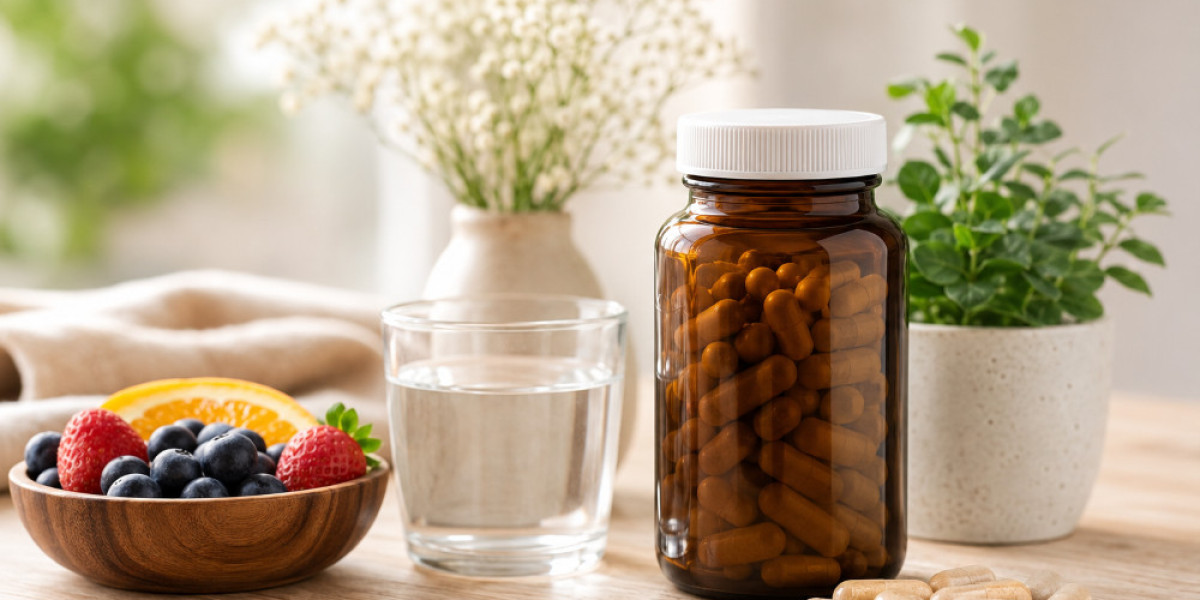

Women need a range of vitamins and minerals to support normal body functions, bone health, immune function, and energy metabolism. A balanced diet is the best way to meet these nutritional needs, but busy routines and dietary restrictions can sometimes make it difficult to get every nutrient consistently.
For women who follow halal dietary requirements, choosing a supplement requires an extra level of attention. The ingredients, capsule materials, and certification details all matter.
If you are searching for the best halal multivitamins for women, this guide explains what to look for and how to compare different options.
What Makes a Women's Multivitamin Halal?
A halal multivitamin should meet relevant halal requirements for its ingredients and manufacturing process.
Some supplement ingredients are plant-based or synthetic, while others may come from animal sources. Capsule materials are particularly important because gelatin can come from different sources.
Before purchasing a supplement, check:
Whether the product has halal certification
The source of gelatin or capsule materials
Animal-derived ingredients
Flavourings and other added ingredients
Manufacturing and processing information
A clear certification or reliable product documentation can help you confirm whether a supplement meets your dietary requirements.
Important Nutrients in Women's Multivitamins
Women's nutritional needs can change with age, diet, and different stages of life. Here are some nutrients commonly found in women's multivitamin formulas.
Vitamin D for Bone Health
Vitamin D helps the body absorb calcium and supports normal bone and muscle function. It also plays a role in normal immune system function.
Calcium for Strong Bones
Calcium is needed for maintaining normal bones and teeth. It also supports muscle function and nerve signalling.
Women who consume limited dairy or calcium-rich alternatives may need to pay closer attention to their intake.
Iron for Oxygen Transport
Iron contributes to normal red blood cell formation and oxygen transport. Menstruating women may have higher iron requirements than some other groups.
Iron supplementation is not suitable for everyone. Excessive intake can be harmful, so it is best to understand your needs before taking an iron-containing product.
Vitamin B12 for Nervous System Function
Vitamin B12 supports normal nervous system function and red blood cell formation. It also contributes to normal energy metabolism.
Women following vegetarian or vegan diets may need to pay particular attention to vitamin B12 intake.
Folate for Cell Division
Folate contributes to normal cell division and plays an important role during pregnancy. Women planning a pregnancy should discuss appropriate folic acid supplementation with a healthcare professional.
Vitamin C for Immune Support
Vitamin C supports normal immune function and collagen formation. It also helps the body absorb iron from plant-based foods.
How to Choose the Best Halal Multivitamin for Women
The right supplement should match your nutritional requirements and dietary preferences.
Use these points when comparing different products:
1. Confirm halal status
Check for relevant halal certification and clear information about ingredient sources.
2. Review the nutrient profile
Look at the vitamins and minerals included in each serving. Check whether the formula matches your dietary needs.
3. Compare nutrient amounts
A product with higher amounts is not automatically a better choice. Some nutrients can cause unwanted effects when consumed in excessive quantities.
4. Check capsule materials
Review whether the supplement uses gelatin, vegetarian capsules, or another material.
5. Read the usage instructions
Follow the recommended serving and check any warnings or precautions.
6. Review allergen information
Look for possible allergens and ingredients that may not suit your dietary requirements.
Do All Women Need the Same Multivitamin?
No. Nutritional needs vary from person to person.
A woman who eats a varied diet may not need the same supplement as someone following a restrictive diet. Age, menstrual health, pregnancy plans, and existing medical conditions can also affect nutritional requirements.
For example, women planning pregnancy may need specific guidance about folic acid. Women with low iron levels may need a different approach based on professional advice.
This is why choosing a supplement based only on its popularity is not always the best approach.
Common Supplement Mistakes to Avoid
A few simple precautions can help you make a better decision.
Taking multiple supplements without checking overlapping ingredients
Assuming every product marketed for women is suitable for every age group
Ignoring halal certification and capsule materials
Choosing a product only because it contains many ingredients
Taking iron without understanding your requirements
Expecting supplements to replace balanced meals
If you take medication or have a medical condition, ask a healthcare professional before adding a new supplement to your routine.
Can Halal Multivitamins Support Everyday Wellness?
A multivitamin can help address certain nutritional gaps when dietary intake is insufficient. It is not a treatment for medical conditions and cannot replace healthy eating habits.
A balanced diet should include vegetables, fruits, whole grains, protein sources, and suitable calcium-rich foods. Regular activity and adequate sleep also contribute to general wellness.
Final Thoughts
The best halal multivitamins for women should meet your dietary requirements and offer nutrients that suit your individual needs. Always check certification, ingredient sources, nutrient amounts, and product instructions before making a choice.
You can compare available options through Best halal multivitamins for women.
A thoughtful approach to supplementation can help you make choices that fit your daily routine while keeping balanced nutrition at the centre of your wellness plan.







