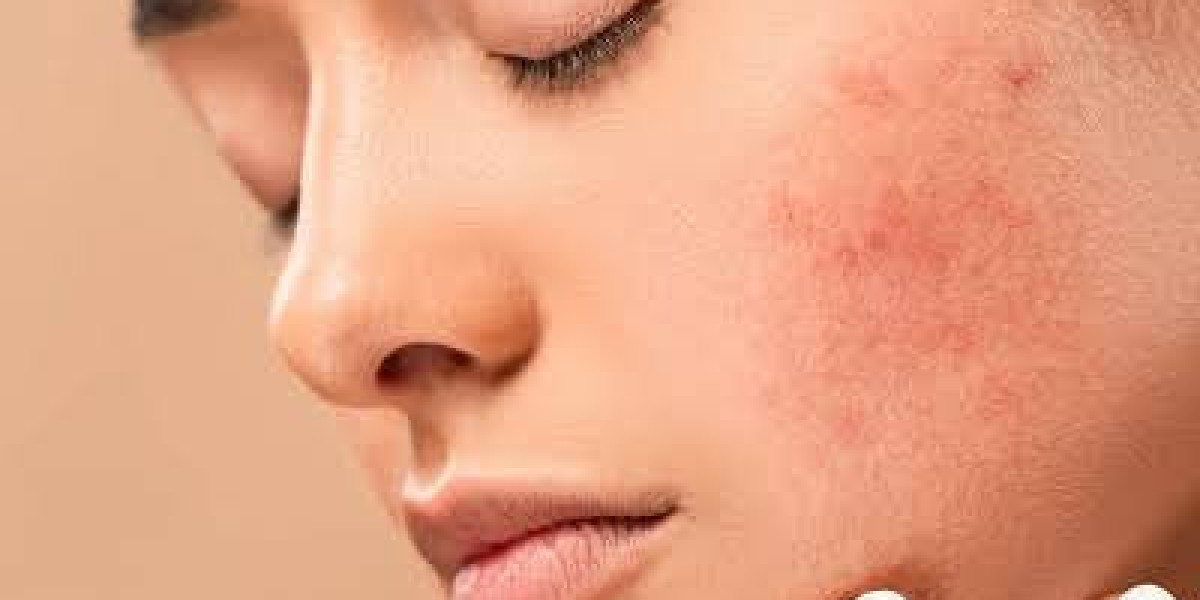

A scar on the face is more than a mark on the skin. It catches the light differently, changes the texture of the surrounding area, and can make a person feel self-conscious in photographs and in daily conversation. Raised, thick, or uneven scars are especially noticeable because they interrupt the smooth surface of the face. Facial Scar Revision in Islamabad aims to make these scars flatter, smoother, and less visible by using techniques matched to the type of scar. It cannot erase a scar completely, but it can often improve it significantly. This article explains how raised and uneven scars are treated and what to expect.
Why Do Some Scars Become Raised or Uneven?
When the skin is injured, the body repairs it by laying down collagen. If this repair is too strong, the scar can become thick and raised, and if it is too weak or the underlying tissue is lost, the scar can become sunken or pitted. The result depends on the depth of the injury, the direction of tension on the skin, infection, genetics, and how the wound was cared for. Acne, accidents, surgery, burns, and chickenpox can all leave marks. Different scars behave differently, which is why a proper diagnosis comes before any treatment. Understanding the type of scar is the foundation of a good plan.
What Types of Facial Scars Exist?
Facial scars fall into several broad groups, and each responds best to different treatments. A surgeon examines the shape, colour, height, and texture of the scar before choosing an approach.
The main types include:
- Atrophic scars, which are sunken or pitted, often from acne
- Hypertrophic scars, which are raised but stay within the original wound
- Keloid scars, which grow beyond the original wound and can keep expanding
- Contracture scars, which pull the skin tight, often after burns
- Linear scars, which are narrow lines from cuts or surgery
- Discoloured scars, which are red or darker than the surrounding skin
How Is Uneven Skin Texture Improved?
Uneven texture usually means sunken pits, rough patches, or irregular surfaces. Treatments aim to stimulate new collagen, smooth the surface, and lift depressed areas. Resurfacing methods, such as lasers and microneedling, remove or remodel the damaged layers and trigger healing that produces smoother skin. In some cases, a small procedure called subcision releases tight bands that pull a scar downward. Fillers or fat can lift deep depressions, and a fat transfer treatment is one example of a technique that restores volume beneath a sunken area. Several sessions are often needed, and improvement builds gradually.
How Are Raised Scars Treated?
Raised scars need to be flattened, and the options depend on whether the scar is hypertrophic or a keloid. Silicone sheets or gels can soften early raised scars, and steroid injections can reduce thickness and itching. Laser treatment may help lower the height and reduce redness. In some cases, the scar is surgically removed and the wound closed with careful technique to create a finer scar, sometimes followed by other treatments to reduce the chance of recurrence. Keloids are especially likely to return, so surgeons often combine treatments and plan carefully. An honest discussion of risks and recurrence is an important part of the consultation.
Which Treatment Suits Which Scar at a Glance
The table below gives a simple overview of common scar types and typical approaches.
| Scar Type | What It Looks Like | Common Approaches |
|---|---|---|
| Atrophic (pitted) | Sunken pits or depressions | Resurfacing, microneedling, subcision, filling |
| Hypertrophic | Raised, firm, within the wound | Silicone, injections, laser, surgical revision |
| Keloid | Raised and growing beyond the wound | Combined treatment with careful planning |
| Contracture | Tight, pulling scar | Surgical release or reshaping |
| Linear | Narrow line | Surgical revision or laser |
| Discoloured | Red or dark marks | Light-based or skin treatments |
This table is only a guide. Many patients have a mix of scar types, and your surgeon will plan a combination that fits your skin.
Can Surgery Improve a Scar?
Yes, in selected cases. Surgical scar revision removes the scar and closes the wound again in a way that creates a finer, less noticeable line. The surgeon may reposition the scar so that it lies along a natural skin line, where it blends better, or break up a long straight scar into a less visible pattern. The incision is closed with fine stitches and careful tension control. Surgery does not remove a scar entirely, because any cut leaves a mark, but a well-planned revision can make it narrower, flatter, and less obvious. Surgery is often combined with other treatments to improve the final appearance. When these elements come together, patients are better positioned to achieve results they feel comfortable with over time. Glamorous Aesthetic Clinic is committed to providing that level of personalized care, and every recommendation is based on careful assessment of the individual. If you are considering treatment, begin with a professional consultation and choose a provider who values safety, clarity, and realistic expectations.
How Long Does Improvement Take?
Scar improvement is gradual. After resurfacing or microneedling, the skin heals over days to a couple of weeks, but new collagen continues to form for months, so smoother texture appears slowly. Raised scars may flatten over several weeks to months with injections or laser. After surgical revision, the new scar is red and firm at first and matures over six to twelve months. Most patients need more than one session, and results are judged only after the skin has fully healed. Patience is essential, because early redness and swelling can make the area look worse before it looks better.
What Can You Do to Support Scar Healing?
Good aftercare improves results. Protect the area from sun, because ultraviolet light darkens scars and slows healing. Keep the skin clean and moisturised, follow your surgeon’s instructions on dressings and silicone products, and avoid picking or rubbing the scar. Avoid smoking, which slows healing, and maintain a healthy diet. Some patients later consider treatments that support overall skin firmness, such as ultrasound skin tightening, only after the scar is fully healed and with medical advice. Attending follow-up visits allows your surgeonto ad just the plan if the scar is not responding as expected.
FAQs
Can facial scars be removed completely?
No, but many can be made much less noticeable.
Do raised scars come back?
Some, especially keloids, can recur, so careful planning is important.
How many sessions will I need?
Often several, depending on the scar and the treatment.
Is scar revision painful?
It is usually done with anaesthesia, and recovery involves mild discomfort and redness.
Final Thought
Facial scar revision can improve uneven texture and raised scars by flattening, smoothing, and refining them, though it cannot erase them completely. The right plan depends on the type of scar and your skin. Speak with an experienced surgeon, ask every question you have, and decide only when you feel fully informed.
If you would like to know what can be done for your own scar, a professional consultation is the best place to begin.
Read more
Contact us at our website: https://www.glamaesthetics.com.pk/