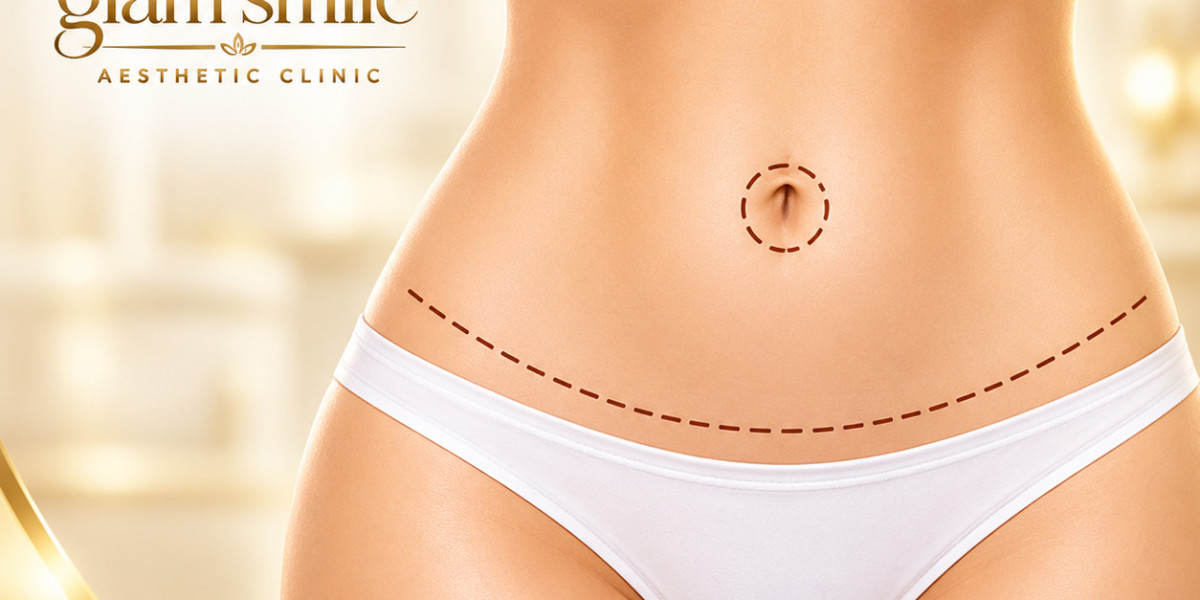

Excess skin and stubborn fat around the abdomen can affect body shape, comfort, and confidence, particularly after significant weight loss or pregnancy. A tummy tuck is a cosmetic surgical procedure designed to remove excess abdominal skin and create a firmer, smoother-looking midsection.However, not all tummy tuck procedures address the same areas of the body. Some focus mainly on the front of the abdomen, while others improve the entire waistline, including the back and flanks.For individuals considering Tummy Tuck in Islamabad, understanding the difference between a circumferential tummy tuck and a traditional tummy tuck can help them choose an appropriate surgical approach.Both procedures aim to improve body contours, but they differ in surgical techniques, incision placement, treatment areas, recovery requirements, and suitability.
What Is a Traditional Tummy Tuck?
A traditional tummy tuck, medically known as an abdominoplasty, is a cosmetic surgical procedure that removes excess skin and fat from the abdominal area. It may also involve tightening weakened or separated abdominal muscles to create a firmer and flatter-looking stomach.This procedure is commonly considered by individuals who have loose abdominal skin following pregnancy, ageing, or weight changes.
Who Is a Suitable Candidate for a Traditional Tummy Tuck?
A traditional tummy tuck may be appropriate for individuals who:
Have excess skin mainly around the abdomen.
Experience loose abdominal skin after pregnancy.
Have weakened or separated abdominal muscles.
Are close to their target body weight.
Have realistic expectations about surgical results.
Are in suitable general health for elective surgery.
Do not plan significant future weight changes.
It is important to understand that a tummy tuck is not a weight-loss procedure. Patients generally achieve more predictable results when their weight is stable before surgery.
Who Is a Suitable Candidate for a Circumferential Tummy Tuck?
A circumferential tummy tuck may be considered for individuals who have significant loose skin around the entire lower torso.
Suitable candidates may include:
Individuals who have undergone major weight loss.
Patients with excess skin around the abdomen and lower back.
People with loose tissue extending across the hips and flanks.
Individuals who maintain a relatively stable body weight.
Patients in good general health who can tolerate more extensive surgery.
People with realistic expectations about scars and recovery.
A detailed medical assessment is essential because circumferential surgery is more extensive and may involve additional risks.
How Long Does Each Procedure Take?
The duration of surgery depends on the amount of tissue being removed, the complexity of the procedure, and whether additional treatments are performed.
Traditional Tummy Tuck
A traditional tummy tuck commonly takes approximately 2–4 hours. Additional procedures, such as liposuction or more complex muscle repair, may increase the operating time.
Circumferential Tummy Tuck
A circumferential tummy tuck may take approximately 4–8 hours or longer in some cases because it involves a larger surgical area and repositioning of tissues around the lower torso.These are general estimates, not guaranteed operating times. Your surgeon can provide a more individualised estimate after examining your body.
Recovery: Traditional vs Circumferential Tummy Tuck
Recovery is an important consideration when comparing these procedures. Since a circumferential tummy tuck involves more extensive surgery, patients generally require more time and support during healing.
Traditional Tummy Tuck Recovery
Most patients need approximately 2–4 weeks before returning to many routine activities, although full recovery may take several weeks to a few months.During the initial recovery period, patients may experience:
Abdominal swelling.
Bruising and tenderness.
Tightness around the stomach.
Temporary difficulty standing fully upright.
Reduced mobility during the first few days.
Your surgeon may recommend wearing a compression garment and avoiding heavy lifting while the tissues heal.
Circumferential Tummy Tuck Recovery
Recovery from circumferential surgery is generally more demanding because the incisions extend around the torso.
Patients may experience:
Swelling around the abdomen, hips, and lower back.
More extensive bruising.
Temporary difficulty moving comfortably.
Discomfort when changing positions.
A longer period of restricted physical activity.
Many patients need approximately 4–6 weeks or longer before returning to many regular activities. Complete healing and final contour development may take several months.
Important Recovery Tips for Both Procedures
Follow all postoperative instructions.
Take prescribed medications as directed.
Wear compression garments when recommended.
Avoid strenuous exercise and heavy lifting until cleared.
Walk gently as advised to support circulation.
Keep surgical incisions clean and dry according to instructions.
Attend follow-up appointments.
Avoid smoking and nicotine because they can impair wound healing.
Seek prompt medical attention for chest pain, shortness of breath, severe leg swelling, or other symptoms that could indicate a serious complication.
Possible Risks and Complications
Both procedures involve surgery and carry potential risks. The likelihood of complications depends on the patient's health, surgical complexity, and recovery care.
Common Surgical Risks
Swelling and Bruising
Temporary swelling and bruising are common after abdominal body-contouring surgery.
Infection
Bacteria can enter the surgical wounds and cause an infection that may require treatment.
Fluid Accumulation
Seromas can develop when fluid collects beneath the skin after surgery. Some cases require drainage.
Scarring
Both procedures leave permanent scars. A circumferential tummy tuck generally creates a longer scar around the lower torso.
Changes in Skin Sensation
Temporary numbness or altered sensation may occur around the treated areas.
Delayed Wound Healing
Some patients experience slow healing, particularly around areas under tension or where blood supply is reduced.
Additional Risks of Circumferential Surgery
Because a circumferential tummy tuck is more extensive, it may involve:
Greater wound-healing challenges.
Increased fluid loss during surgery.
More extensive tissue swelling.
Longer recovery.
Greater risk of certain complications, including blood clots.
Your surgeon should explain the individual risks and the steps taken to reduce them before you decide on surgery.
Can a Circumferential Tummy Tuck Be Combined With Liposuction?
Yes, liposuction may sometimes be combined with a circumferential tummy tuck to improve body contours by removing selected pockets of excess fat.However, combining procedures is not appropriate for every patient. The surgeon must consider blood supply, the extent of tissue removal, surgical duration, and overall safety.A personalised surgical plan helps determine whether liposuction can be performed safely alongside skin removal.
Which Procedure Gives Better Results?
Neither procedure is universally better. Each is designed to address different body-contouring concerns.A traditional tummy tuck may provide excellent results when excess skin is mainly concentrated around the front of the abdomen.A circumferential tummy tuck may be more appropriate when loose skin extends around the waist, hips, and lower back.The best results depend on selecting the procedure that matches the patient's anatomy rather than choosing the more extensive operation automatically.It is also important to maintain realistic expectations. Neither procedure prevents future weight gain, stops natural ageing, or guarantees a perfectly flat stomach.
Important Factors to Consider Before Surgery
Before choosing either procedure, patients should discuss several important considerations with their plastic surgeon.
Overall Health
Medical conditions, medications, smoking habits, and previous surgeries may affect surgical safety and recovery.
Weight Stability
Significant weight fluctuations after surgery can affect the results. Patients are generally advised to reach and maintain a stable weight before undergoing body-contouring surgery.
Future Pregnancy
Future pregnancy can stretch abdominal tissues and potentially affect the results of a tummy tuck. Patients planning pregnancy may wish to discuss timing with their surgeon.
Scar Placement
Traditional tummy tuck scars are generally located across the lower abdomen, while circumferential procedures create a scar extending around the lower torso.
Recovery Support
Both procedures require postoperative care. Patients should arrange help with household responsibilities, transportation, and daily activities during the initial recovery period.
Tummy Tuck Consultation at Glam Smile Clinic
Choosing between a traditional and circumferential tummy tuck requires a careful evaluation of your body-contouring goals and medical suitability.At Glam Smile Clinic, patients interested in tummy tuck procedures can discuss their concerns, treatment expectations, and available surgical options during a professional consultation.A personalised assessment can help determine whether excess skin is mainly concentrated around the abdomen or extends around the lower torso. The surgeon can also explain the expected incision placement, recovery requirements, possible risks, and whether additional procedures may be appropriate.Understanding these factors before surgery helps patients make informed decisions and develop realistic expectations about their results.
Frequently Asked Questions (FAQs)
Is a circumferential tummy tuck more effective than a traditional tummy tuck?
A circumferential tummy tuck can provide more extensive body contouring because it addresses excess skin around the abdomen, hips, flanks, and lower back. A traditional tummy tuck may be more effective when the primary concern is loose abdominal skin. The appropriate procedure depends on individual anatomy and goals.
Does a circumferential tummy tuck leave a bigger scar?
Yes. A circumferential tummy tuck generally creates a longer incision that extends around the lower torso. A traditional tummy tuck usually leaves a scar across the lower abdomen. Both procedures produce permanent scars, although their appearance may improve as healing progresses.
How painful is a circumferential tummy tuck compared with a traditional tummy tuck?
Both procedures involve postoperative discomfort, swelling, and tightness. A circumferential tummy tuck may involve more extensive discomfort because a larger area is treated. Your surgeon will provide an appropriate pain-management plan.
Can I lose weight with a tummy tuck?
A tummy tuck is not designed as a weight-loss procedure. It removes excess skin and may remove some fat to improve body contours. Patients generally achieve better and more stable results when they are already close to their target weight.
How long do tummy tuck results last?
Results from both procedures can last for many years, particularly when patients maintain a stable weight and healthy lifestyle. However, ageing, pregnancy, and significant weight changes may alter the results over time.
Conclusion
A traditional tummy tuck and a circumferential tummy tuck both aim to improve body contours, but they address different areas. A traditional procedure focuses mainly on the abdomen, while a circumferential tummy tuck removes excess skin and reshapes the entire lower torso.The right choice depends on the amount and distribution of loose skin, overall health, body weight, and desired results. Because circumferential surgery is more extensive, it also involves different recovery requirements and potential risks.