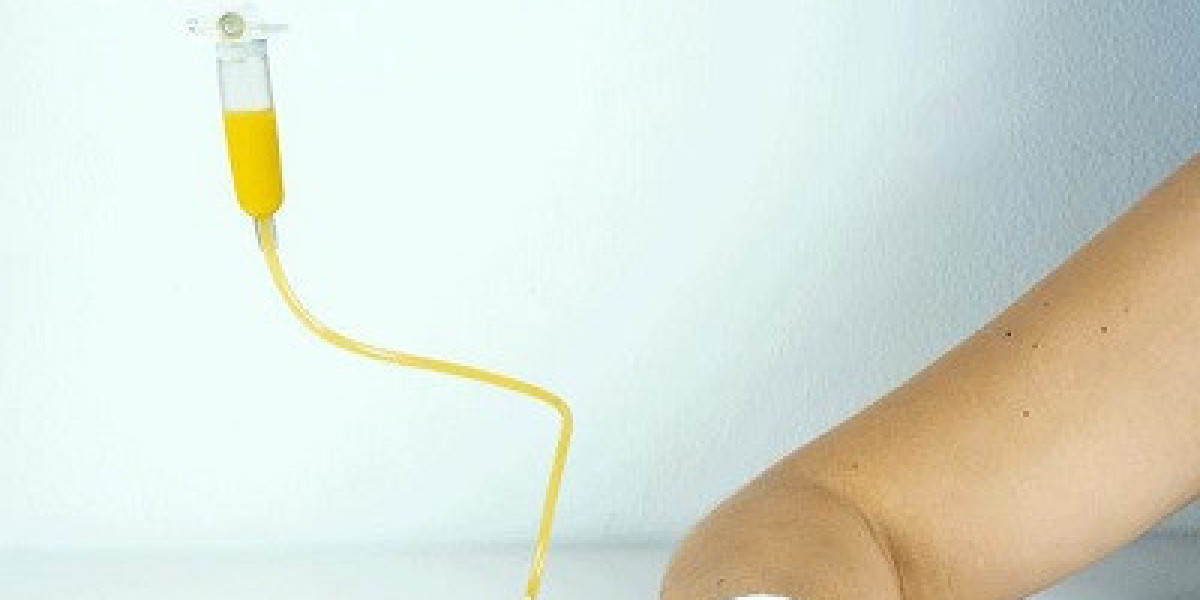

Intravenous (IV) drip therapy has become an increasingly convenient option for people who need medical hydration or certain treatments without spending extended periods in a healthcare facility. Traditionally, IV drips have been associated with hospitals and medical centres, but professionally supervised home services now allow eligible individuals to receive selected infusion treatments in a familiar environment. However, receiving an IV drip at home requires proper medical assessment, sterile equipment, and trained healthcare professionals to ensure patient safety.
For individuals exploring IV Drip in Oman, understanding how home IV therapy works can help them make informed decisions. Although home treatment may offer convenience, it is not suitable for everyone or every medical condition. The type of fluid, ingredients, dosage, and infusion rate must be selected according to an individual's health needs. Knowing what to expect, who may benefit, and which precautions matter most can make the experience safer and more comfortable.
1. What Is an IV Drip and How Does It Work?
An IV drip is a medical treatment that delivers fluids, electrolytes, medications, or other prescribed substances directly into the bloodstream through a small catheter inserted into a vein. Unlike oral supplements or drinks, which pass through the digestive system, intravenous treatments enter the circulation directly.
The procedure generally involves inserting a small needle into a suitable vein, usually in the arm or hand. Once the catheter is positioned correctly, the needle is removed, leaving a flexible tube through which the prescribed fluid can flow.
The infusion is delivered at a controlled rate, depending on the patient's medical requirements. Healthcare professionals monitor the process to ensure that the treatment is administered appropriately.
IV drips may be used for several medical purposes, including:
Replacing fluids lost through vomiting, diarrhoea, or dehydration.
Restoring electrolyte balance when clinically necessary.
Delivering prescribed medications that cannot be taken effectively by mouth.
Supporting patients who cannot maintain adequate oral fluid intake.
Providing certain nutritional treatments when medically indicated.
It is important to understand that IV therapy is not automatically more effective than drinking water or taking oral supplements. When someone can maintain adequate hydration through normal drinking, oral fluids are generally the preferred option.
2. Can Someone Safely Get an IV Drip at Home?
Yes, an IV drip can be administered at home in suitable circumstances, provided the treatment is prescribed or authorised by an appropriately qualified healthcare professional and delivered by trained personnel.
Home infusion therapy is an established healthcare approach for patients who require specific intravenous medications or fluids but do not need continuous hospital admission. It can be particularly helpful for individuals receiving longer-term treatment under an organised medical care plan.
However, receiving an IV drip at home is different from arranging an ordinary wellness service. It involves a medical procedure that requires proper preparation, infection-control measures, and patient monitoring.
Before approving home IV therapy, a healthcare professional should consider:
The patient's current symptoms and medical history.
Whether intravenous treatment is genuinely necessary.
Existing medical conditions and prescribed medications.
Possible allergies or previous reactions to IV treatments.
Kidney and heart function, where relevant.
The appropriate type and amount of fluid.
Whether the patient requires monitoring that cannot safely be provided at home.
The home environment should also be suitable for the procedure. A clean, comfortable area with sufficient space for medical equipment can help healthcare professionals administer treatment safely.
According to MedlinePlus, home IV treatment can be arranged for selected patients who need prescribed intravenous medications or other ongoing infusion treatments. Professional supervision and clear instructions remain important throughout the process.
3. Who May Benefit from Home IV Drip Therapy?
Home IV therapy may be appropriate for people whose medical circumstances make hospital visits difficult or unnecessary, provided they have been assessed and approved for treatment.
Some situations in which home infusion may be considered include:
Patients experiencing dehydration
People who have lost significant amounts of fluid through persistent vomiting, diarrhoea, or certain illnesses may require medical rehydration. If oral fluids are insufficient or cannot be tolerated, a healthcare professional may recommend intravenous fluids.
Individuals recovering from certain illnesses
Some patients recovering from medical conditions may require prescribed fluids or medications that need to be administered intravenously. Home treatment can make the process more convenient when the patient is medically stable.
People requiring prescribed medications
Certain antibiotics and other medications cannot always be administered effectively through oral treatment. Home infusion services may allow suitable patients to complete their prescribed treatment outside a hospital.
Individuals with difficulty maintaining oral intake
Some medical conditions can interfere with normal eating and drinking. In selected cases, healthcare professionals may recommend intravenous fluids or nutritional support as part of a broader treatment plan.
Patients with mobility limitations
People who find travelling to a healthcare facility challenging may benefit from an approved home infusion arrangement, particularly when regular treatment is necessary.
It is worth noting that home IV therapy is not appropriate for every person experiencing tiredness, headaches, weakness, or general discomfort. These symptoms can have many possible causes, and an IV drip may not address the underlying problem.
4. What Happens During an At-Home IV Drip Appointment?
The home IV procedure usually follows several steps to maintain patient safety and ensure that the prescribed treatment is delivered correctly.
Initial health assessment
Before treatment begins, a qualified healthcare professional reviews the patient's medical history, current symptoms, allergies, and medications. Depending on the situation, physical examinations or laboratory tests may also be necessary.
This assessment helps determine whether an IV drip is appropriate and which formulation should be used.
Preparation of the treatment area
The healthcare professional prepares a clean working area and checks the required equipment. IV fluids, tubing, catheters, and other supplies should be sterile and suitable for the intended treatment.
Insertion of the IV catheter
A suitable vein is selected, commonly in the arm or hand. The skin is cleaned using an appropriate antiseptic, and a small catheter is inserted into the vein.
The catheter is secured to reduce unnecessary movement during the infusion.
Administration of the IV fluid
The prescribed fluid or medication is connected to the IV line. The infusion rate is adjusted according to the treatment plan rather than personal preference.
The healthcare professional monitors the patient throughout the process and checks for discomfort, swelling, or unusual reactions.
Post-treatment observation
Once the infusion is complete, the IV catheter is removed if it is no longer required. The insertion area is checked, and the patient receives instructions about aftercare and possible warning signs.
The length of an appointment varies depending on the type of infusion, the amount of fluid, and the patient's individual requirements.
5. What Are the Benefits and Possible Risks of Home IV Therapy?
Home IV treatment can offer practical advantages, but its suitability depends on the patient's condition and the quality of medical supervision.
Potential benefits
Convenience: Eligible patients can receive treatment without travelling to a healthcare facility.
Comfort: Receiving care in a familiar environment may make the experience more relaxing.
Time management: Home appointments can reduce the time spent travelling and waiting.
Continuity of treatment: Certain patients can complete prescribed infusion schedules while remaining at home.
Personalised attention: A healthcare professional can focus on the patient's individual treatment requirements.
Possible risks and complications
Despite its benefits, IV therapy carries certain risks that should not be overlooked.
Infection: Poor hygiene or improper handling of IV equipment can introduce bacteria into the bloodstream or cause an infection at the insertion site.
Vein irritation: The catheter may irritate the vein, leading to pain, redness, or inflammation.
Fluid leakage: Sometimes fluid escapes into the surrounding tissue instead of entering the vein properly, causing swelling and discomfort.
Allergic reactions: Certain medications or added ingredients can trigger allergic responses.
Fluid overload: Receiving excessive fluids can place additional strain on the heart and kidneys, particularly in people with existing medical conditions.
Electrolyte disturbances: Incorrect fluid selection or inappropriate administration can disrupt the body's mineral balance.
These risks highlight why IV therapy should never be self-administered without appropriate training and medical direction.
The Australian Commission on Safety and Quality in Health Care also emphasises that IV fluids should only be started when there is a clear clinical indication and should be reviewed according to the patient's response.
6. How to Choose a Safe Home IV Drip Service in Oman
Anyone considering home IV treatment should prioritise medical safety rather than convenience alone. A home appointment may seem straightforward, but the quality of the service depends on the professionals, equipment, and clinical procedures involved.
Before arranging an appointment, individuals should consider the following factors:
Check professional qualifications
The person administering the IV should have appropriate healthcare qualifications and specific training in intravenous procedures. Patients should feel comfortable asking about professional credentials and clinical experience.
Confirm that medical assessment is available
A responsible service should assess the patient's health before recommending an infusion. Treatment should not be selected solely from a menu of available drips.
Ask about sterile equipment
All needles, catheters, tubing, and other relevant supplies should be sterile and handled using proper infection-control practices.
Understand the ingredients
Patients should receive clear information about what the IV contains, why each ingredient is being used, and whether it is appropriate for their medical circumstances.
Discuss existing health conditions
Individuals with kidney disease, heart conditions, diabetes, allergies, or other ongoing medical concerns should disclose their medical history before treatment.
Confirm emergency arrangements
A suitable home infusion service should have a clear process for managing adverse reactions and arranging urgent medical assistance if required.
Understand follow-up care
Patients should know whom to contact if they experience pain, swelling, redness, fever, or other unexpected symptoms after the infusion.
For individuals in Oman, checking that the service operates through appropriately authorised healthcare professionals and complies with applicable local healthcare requirements is an important part of making a safe decision.
7. When Is an IV Drip Not the Right Choice?
Although IV drips can be medically useful, they are not a universal solution for dehydration, fatigue, or general wellness concerns.
For mild dehydration, drinking water and using an appropriate oral rehydration solution may be sufficient. Oral rehydration products can help replace both fluids and electrolytes lost through certain illnesses.
An IV drip may also be unnecessary when someone is already adequately hydrated and can drink normally.
Certain individuals require additional caution before receiving intravenous fluids, particularly those with:
Heart failure or other significant heart conditions.
Kidney impairment or reduced kidney function.
A history of fluid retention.
Known allergies to proposed infusion ingredients.
Conditions affecting electrolyte balance.
Previous complications associated with IV treatment.
Emergency symptoms should never be managed by arranging a routine home IV appointment. Severe weakness, confusion, fainting, difficulty breathing, chest pain, or an inability to keep fluids down may require urgent medical assessment.
The priority should always be identifying and treating the underlying cause rather than simply providing fluids.
Frequently Asked Questions About Home IV Drip Therapy
1. Can an IV drip be administered at home without visiting a hospital?
Yes. Selected patients can receive IV therapy at home when the treatment has been medically assessed and arranged through an appropriate healthcare service. A qualified professional should administer and monitor the infusion.
2. Is getting an IV drip at home painful?
Most people experience a brief pinch or mild discomfort when the IV catheter is inserted. Once it is correctly positioned, the infusion should generally be comfortable. Persistent pain, swelling, or burning should be reported immediately.
3. How long does an at-home IV drip session take?
The duration depends on the prescribed fluid, medication, infusion rate, and individual health requirements. Some treatments take less time than others, and the healthcare professional determines the appropriate schedule.
4. Is home IV therapy suitable for everyone?
No. People with certain heart, kidney, or electrolyte conditions may face additional risks. A medical assessment is necessary to determine whether intravenous treatment is suitable.
5. Can an IV drip help with dehydration?
Yes. Intravenous fluids can help treat dehydration when a healthcare professional determines that oral hydration is inadequate or unsuitable. Mild dehydration can often be managed through drinking water or an appropriate oral rehydration solution.
6. What should someone do after receiving an IV drip at home?
Patients should follow the aftercare instructions provided by the healthcare professional. They should monitor the insertion site for redness, swelling, pain, or unusual discharge and report any unexpected symptoms. Breathing difficulties, chest pain, or severe dizziness require immediate emergency assistance.
Final Thoughts
Getting an IV drip at home can be a convenient option for individuals who genuinely require intravenous fluids or prescribed medications and are suitable candidates for home-based treatment. It can reduce unnecessary travel, provide comfort, and support continuity of care without requiring every infusion to take place in a hospital.
However, convenience should never replace proper medical assessment. The right treatment depends on the patient's symptoms, medical history, hydration status, and individual healthcare requirements. Professional administration, sterile equipment, appropriate monitoring, and reliable follow-up are essential parts of a safe home IV experience.
For anyone considering IV therapy in Oman, understanding the available treatment options and discussing personal health needs with a qualified healthcare professional can help ensure a more informed decision.
Read More About IV Drip: https://www.panchit.com/blogs/138227/IV-Drip-for-Athletes-Does-It-Improve-Recovery