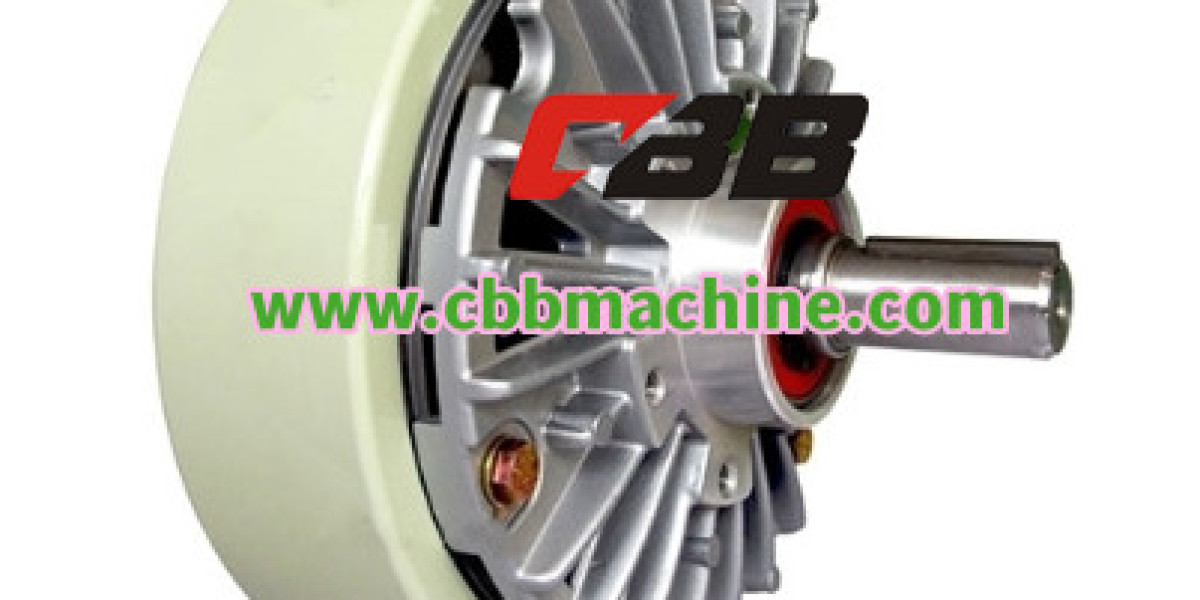

In modern mechanical systems, transferring rotational power while maintaining controllable torque is an important part of equipment design. A Magnetic Powder Clutch offers a practical approach to managing power transmission between connected rotating components. Cbbmachine provides industrial transmission solutions designed around functional reliability, mechanical compatibility, and the operating requirements of different manufacturing environments. This technology gives equipment designers another option when developing machinery that requires adjustable engagement and coordinated movement.
Unlike conventional mechanical clutches that depend primarily on direct frictional contact, this type of device uses magnetic powder to transmit torque. When an electrical current generates a magnetic field inside the working chamber, the powder forms chain-like structures between the driving and driven components. These structures create a controllable connection that allows rotational force to pass through the mechanism. Adjusting the excitation current changes the transmitted torque, providing flexibility for different operating conditions.
One important application is tension control in material processing. During winding and unwinding operations, production materials need to move at an appropriate speed while maintaining suitable tension. A controllable clutch can help coordinate the rotation of shafts and reels, allowing machinery to respond to changing material conditions. This is particularly useful in industries handling paper, flexible packaging, plastic films, textiles, and other continuous materials.
The technology also supports smooth engagement during mechanical operation. Abrupt changes in transmitted force can affect material movement and create unnecessary stress within connected components. Magnetic powder transmission allows torque to be adjusted through electrical control, helping equipment designers develop gradual engagement processes. This characteristic is valuable in machinery where operating flexibility and coordinated motion are important.
Another consideration is its adaptability to different machine structures. Industrial equipment varies in shaft arrangements, installation spaces, control systems, and transmission requirements. Selecting an appropriate clutch configuration involves evaluating the relationship between the motor, driven mechanism, operating load, and required torque characteristics. Proper matching helps the component integrate into the complete transmission system without creating unnecessary installation difficulties.
Manufacturing environments also place different demands on equipment. Some machines operate continuously, while others frequently change production modes or material specifications. In these situations, adjustable torque transmission can provide useful operating flexibility. Equipment operators can adapt control settings to suit different processing conditions rather than relying entirely on fixed mechanical engagement.
Thermal considerations should remain part of the selection process. During torque transmission, energy losses can generate heat inside the working chamber. Appropriate ventilation, installation arrangements, and operating conditions therefore deserve attention. Choosing a suitable model requires consideration of the intended working cycle and surrounding environment. Following the manufacturer's operating recommendations can also help maintain appropriate equipment conditions.
Maintenance and service accessibility are equally relevant. Industrial components need to remain compatible with routine inspection procedures and the wider machinery maintenance schedule. Attention to electrical connections, mounting stability, ventilation, and operating behavior helps technicians identify potential problems. A well-planned maintenance arrangement supports equipment management and reduces avoidable disruptions.
Beyond individual technical characteristics, the value of a transmission component depends on how effectively it works with the complete production system. Machine builders should consider motor compatibility, control arrangements, shaft connections, installation dimensions, and application requirements before making a purchasing decision. Sharing these details with a knowledgeable supplier can help clarify the appropriate product configuration.
Customization may also be useful when standard equipment does not correspond with a particular machine design. Different production lines can require specific connection structures, installation dimensions, or control characteristics. Discussing these requirements during the selection stage allows manufacturers and suppliers to coordinate technical details before equipment integration begins.
As industrial machinery continues to incorporate more flexible control arrangements, adjustable power transmission remains an important design consideration. Magnetic powder technology offers a distinctive mechanical approach for applications requiring controlled torque, gradual engagement, and coordinated rotation.
A well-designed transmission system is built through thoughtful choices at every connection point. If your next machinery project calls for a more adaptable approach to rotational power, make room for a closer look. Visit https://www.cbbmachine.com/product/ and browse the available industrial transmission solutions. You may find the component that gives your next equipment design a clearer direction.