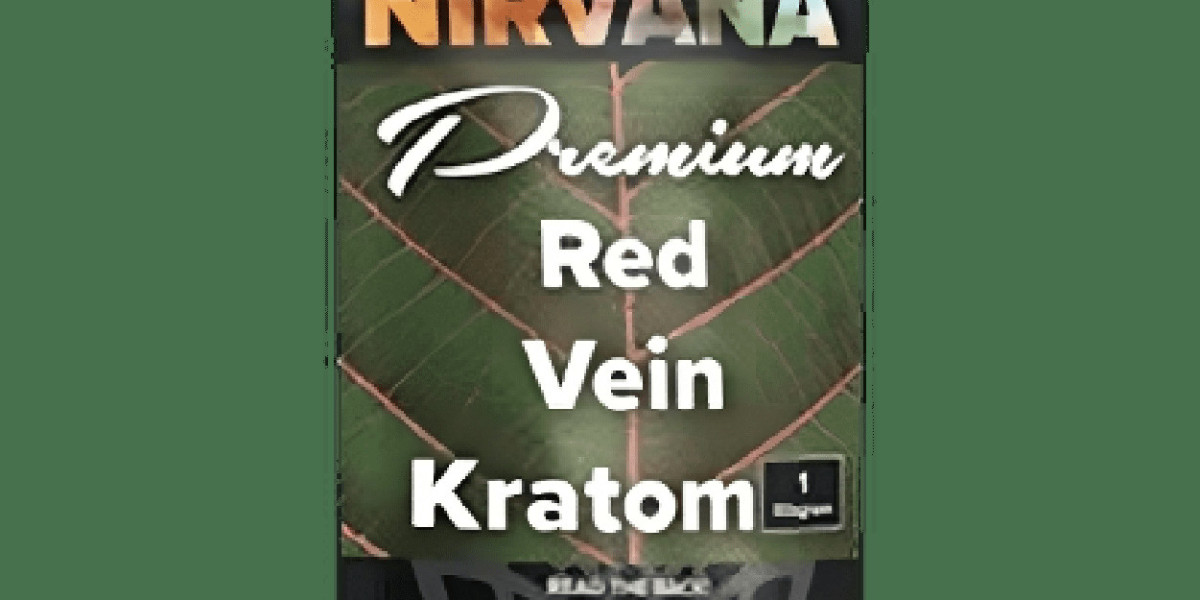

Red Bali Kratom is a botanical product derived from the leaves of Mitragyna speciosa, a tropical Southeast Asian tree. Available in several preparations, this plant material attracts attention for its distinctive alkaloid composition and varied commercial presentations. Two commonly encountered formats are loose powder and Red Bali Kratom Capsules. Although both may originate from comparable botanical material, their packaging, handling, storage requirements, and practical characteristics differ considerably.
Understanding these distinctions requires examining more than appearance or convenience. Ingredient transparency, manufacturing consistency, contamination concerns, and regulatory considerations also deserve attention. This comprehensive comparison examines the advantages and limitations of both formats without overlooking their potential health implications.
Understanding Red Bali Kratom and Its Botanical Characteristics
The designation Red Bali Kratom generally refers to a commercially marketed variety of kratom associated with red-vein leaf classifications. However, botanical naming conventions within the kratom marketplace do not necessarily represent scientifically verified distinctions between cultivars.
Kratom belongs to the Rubiaceae family, which also includes coffee plants. Its foliage contains naturally occurring alkaloids, particularly mitragynine and smaller amounts of 7-hydroxymitragynine.
These compounds interact with biological pathways, including opioid receptors, making their safety characteristics especially important.
How Is Red Bali Kratom Powder Manufactured?
Powder production typically involves harvesting leaves, drying the botanical material, and mechanically milling it into fine particles.
The resulting substance may possess an earthy aroma, greenish-brown coloration, and relatively fine consistency.
Several manufacturing variables influence the finished material:
Leaf harvesting conditions and botanical identification.
Drying temperatures and environmental exposure.
Grinding equipment and particle uniformity.
Moisture management during processing.
Packaging integrity and contamination prevention.
Differences in agricultural practices and processing techniques can produce substantial variation between batches.
What Are Red Bali Kratom Capsules?
Red Bali Kratom Capsules generally contain powdered kratom enclosed within individual shells.
Manufacturers may use gelatin-based casings or plant-derived alternatives such as hydroxypropyl methylcellulose.
Although encapsulation changes the physical presentation, it does not automatically alter the botanical ingredients or eliminate their associated risks.
Capsule contents may vary in weight, composition, and alkaloid concentration depending on the manufacturer.
Consequently, identical-looking capsules should not be presumed chemically equivalent.
Advantages of Red Bali Kratom Powder
Loose botanical powder possesses several practical characteristics that distinguish it from encapsulated preparations.
1. Minimal Packaging Components
Powder usually requires fewer individual packaging materials than capsules.
Manufacturers can place the milled botanical substance directly into suitable sealed containers without introducing capsule shells.
This arrangement may appeal to individuals examining packaging simplicity and material composition.
2. Greater Visibility of Physical Characteristics
Loose powder allows direct observation of texture, coloration, and apparent particle consistency.
Visible differences between batches may be easier to recognize than with enclosed preparations.
Nevertheless, appearance cannot reliably establish botanical authenticity, alkaloid content, or microbiological safety.
Why Physical Appearance Is Not a Quality Guarantee
A uniform powder may still contain unwanted microorganisms, heavy metals, or undisclosed substances.
Conversely, minor coloration differences do not necessarily indicate contamination or inferior processing.
Independent laboratory analysis remains more informative than visual inspection.
3. Potentially Lower Packaging Costs
Bulk powder can involve fewer manufacturing stages than individually filled capsules.
Eliminating encapsulation machinery, capsule shells, and specialized filling operations may reduce production expenses.
However, retail prices also depend on sourcing arrangements, laboratory testing, transportation, and packaging quality.
Lower production expenditure should never be interpreted as evidence of superior product safety.
Disadvantages of Red Bali Kratom Powder
Despite its straightforward presentation, powder introduces several practical limitations.
1. Distinctive Botanical Taste
One noticeable characteristic is its naturally bitter, earthy flavor.
Its sensory profile can be unpleasant, particularly when compared with preparations enclosed in neutral-tasting shells.
Flavor intensity may fluctuate according to drying methods, leaf composition, and processing conditions.
2. Greater Potential for Spillage
Fine botanical particles can scatter during transfer or handling.
Powder residue may accumulate around container openings, surfaces, and storage areas.
Unnecessary exposure to air and humidity can also complicate preservation.
3. Measurement Inconsistency
Powder quantities cannot be reliably assessed through visual estimation or household utensils.
Particle density, compaction, and moisture levels can influence apparent volume.
More importantly, equal powder weights do not guarantee equivalent alkaloid concentrations.
No standardized, medically established safe kratom dosage exists, and consistent measurement alone cannot make consumption safe.
Advantages of Red Bali Kratom Capsules
Capsule preparations offer a different set of packaging and handling characteristics.
1. Enclosed Botanical Material
Red Bali Kratom Capsules contain botanical powder inside an outer casing, reducing direct contact with loose particles.
This enclosure can limit accidental scattering during ordinary package handling.
It also keeps the powder separated from surrounding surfaces until the shell is opened or otherwise compromised.
2. Reduced Exposure to Bitter Flavor
An intact capsule casing acts as a temporary barrier between its contents and the mouth.
As a result, the pronounced flavor of the enclosed material may be less noticeable.
However, this characteristic concerns palatability rather than chemical safety.
3. Compact Individual Units
Capsules provide a structured packaging format consisting of separate units.
This arrangement can simplify inventory organization and product identification when packaging labels clearly document their contents.
Understanding Capsule Weight Labels
A capsule's declared weight may describe its powder contents or the complete filled unit, depending on labeling practices.
Furthermore, powder mass is not equivalent to alkaloid concentration.
Two capsules containing similar quantities of botanical material may have markedly different chemical profiles.
4. Reduced Loose-Powder Residue
Encapsulation can minimize visible botanical residue around the package.
This advantage primarily relates to cleanliness and handling rather than therapeutic performance.
Capsule shells do not protect against every environmental or manufacturing hazard.
Disadvantages of Red Bali Kratom Capsules
Encapsulated preparations have limitations that deserve equal consideration.
1. Additional Manufacturing Expenses
The encapsulation process introduces extra production requirements, including shell procurement, filling machinery, inspection, and packaging.
These additional stages may contribute to higher retail prices.
2. Limited Visibility of Contents
The casing conceals the enclosed powder.
Consequently, individuals cannot readily examine its texture or color without opening the shell.
Even transparent capsules reveal little about chemical composition, microbial contamination, or ingredient authenticity.
3. Additional Ingredients
Some capsules contain shell materials, coloring agents, or processing aids.
Individuals examining ingredient transparency must therefore consider the entire formulation rather than only its botanical component.
4. Packaging Does Not Guarantee Consistency
Individual capsules may appear uniform while containing different alkaloid concentrations.
Manufacturing quality depends on blending accuracy, filling consistency, and analytical verification.
A standardized exterior does not necessarily indicate standardized internal chemistry.
Neither preparation can be considered inherently safer merely because of its physical presentation.
Quality Evaluation and Laboratory Transparency
When examining Red Bali Kratom products, quality documentation is more informative than marketing terminology.
Botanical materials can become contaminated during harvesting, drying, milling, transportation, or packaging.
The United States Food and Drug Administration has previously identified kratom products contaminated with Salmonella bacteria and concerning concentrations of heavy metals.
Important Laboratory Documentation
Relevant analytical information may include:
Botanical identification: Documentation confirming the declared plant species.
Alkaloid analysis: Measurements of mitragynine and 7-hydroxymitragynine concentrations.
Heavy-metal screening: Examination for contaminants such as lead, arsenic, cadmium, and mercury.
Microbiological testing: Evaluation for potentially harmful bacteria and other microorganisms.
Batch identification: Traceable records connecting the material with specific production lots.
Why Batch-Specific Results Matter
A laboratory report covering one production lot cannot automatically establish the composition of another.
Agricultural variation and manufacturing differences may influence results.
Testing also reduces uncertainty without providing an absolute guarantee of safety.
Storage and Shelf-Life Considerations
Storage conditions affect both powder and encapsulated botanical material.
Humidity, elevated temperatures, and damaged packaging may contribute to deterioration or contamination.
Powder Storage Characteristics
Loose powder has considerable exposed surface area, which may increase contact with environmental moisture and oxygen.
Properly sealed packaging can reduce unnecessary environmental exposure.
Capsule Storage Characteristics
Capsule shells introduce additional material characteristics.
Gelatin and some plant-derived shells can respond differently to humidity, potentially becoming brittle, softened, or distorted under unsuitable conditions.
Neither format has a universally established shelf life independent of its packaging and manufacturing specifications.
Products showing moisture damage, unusual discoloration, visible mold, or compromised seals should not be used.
Health Risks and Regulatory Considerations
The practical differences between Red Bali Kratom powder and capsules should not overshadow their shared health concerns.
Kratom has been associated with nausea, constipation, dizziness, dependence, withdrawal symptoms, seizures, and liver injury.
Serious complications may occur, particularly when kratom is combined with other substances.
The FDA has not approved kratom for treating any medical condition and warns consumers against its use. Research has not established it as safe or effective for medical purposes.
Can Capsules Be Considered Safer Than Powder?
There is insufficient evidence to conclude that encapsulation independently makes kratom safer.
Both preparations may expose users to similar alkaloids, depending on their actual composition.
Their risks may be influenced by concentration, contamination, individual health circumstances, and interactions with medications or other substances.
Understanding Legal Restrictions
Kratom regulations differ across jurisdictions.
Some locations restrict specific products, while others impose broader limitations.
In the United States, kratom is not approved as a drug, and the FDA considers kratom-containing dietary supplements unlawfully marketed under applicable federal requirements.
Local restrictions may impose additional requirements or prohibitions.
Frequently Asked Questions
Is Red Bali Kratom Powder Different From Capsules?
The primary distinction concerns physical presentation. Powder consists of loose milled plant material, whereas capsules enclose botanical powder within individual shells. Actual chemical composition depends on the specific product.
Do Capsules Contain Exactly the Same Ingredients as Powder?
Not necessarily. Capsule products include shell materials and may contain additional ingredients. Even when their botanical contents are similar, alkaloid concentrations can differ.
Are Capsules More Expensive Than Powder?
They may be, because manufacturing involves additional materials and equipment. Nevertheless, prices vary according to packaging specifications, product testing, and supplier practices.
Does Encapsulation Improve Botanical Purity?
No. Encapsulation does not remove existing contaminants or establish ingredient authenticity. Product-specific laboratory testing is necessary to investigate these characteristics.
Does Red Bali Kratom Have Proven Medical Benefits?
No medical benefits specific to this marketed variety have been established through sufficient high-quality clinical evidence. Kratom has not been demonstrated to be safe and effective for treating medical conditions.
Final Thoughts
The comparison between Red Bali Kratom powder and Red Bali Kratom Capsules centers on packaging, handling, flavor exposure, production requirements, and ingredient transparency. Loose powder offers a relatively straightforward physical presentation, while encapsulated preparations provide individually enclosed portions with reduced powder contact. Neither format guarantees chemical uniformity, purity, or safety. Understanding laboratory documentation, regulatory restrictions, and potential adverse effects is considerably more important than selecting a particular presentation. An evidence-based evaluation should prioritize verified composition and health considerations rather than relying on marketing claims or assumptions about botanical products.