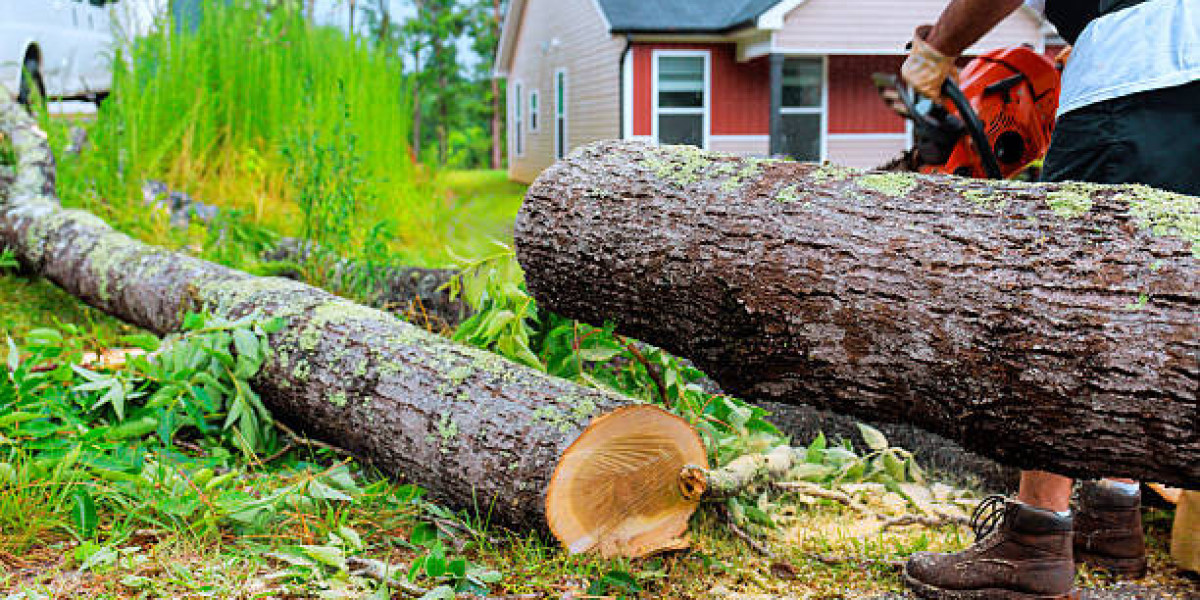

When an ice storm or burst of high wind leaves a tree leaning over a roof, driveway, or power line, Warrior Property Solutions is one option property owners may consider, but safety comes first. A damaged tree can shift after the weather clears, especially when branches are loaded with ice or roots have lifted from wet soil. Property owners should not cut, climb, or pull the tree until they know where the danger lies. In these situations, emergency tree removal in wichita, ks starts with a safety check, not a chainsaw.
Key Takeaways
Keep people, pets, and vehicles away from unstable trees and hanging limbs.
Treat every damaged power line as live and contact the utility provider from a safe place.
Photograph storm damage from the ground before cleanup begins.
Ask about access, debris removal, stump work, and insurance documentation before hiring help.
When Emergency Tree Removal in Wichita, KS Is Needed
Ice and strong winds can create hidden hazards that require immediate attention. Large branches may become trapped in the upper crown, while cracked trunks can appear stable from a distance. Additional ice buildup, another gust of wind, or shifting roots can quickly make these conditions more dangerous. In such situations, emergency tree removal in Wichita, KS may be necessary to address immediate safety concerns and prevent further property damage.
The most urgent cases involve trees resting on homes, garages, fences, or vehicles. A tree that blocks a driveway or private road may also limit emergency access. If a limb has fallen across a street or sidewalk, the property owner should determine who is responsible for the affected area before moving it.
Power lines require special care. If a branch is touching a line, or if a line has fallen near the tree, everyone should stay away and contact the utility provider. They should not assume a line is safe because the neighborhood has lost power. Utility workers must handle the electrical danger before tree work begins.
Root damage is another warning sign. A lifted root plate, new cracks in the soil, or a trunk leaning in a different direction after the storm can mean the tree is no longer secure. Even if the tree has not fallen, a professional inspection may help determine whether removal, support, or limited pruning is the safer choice.
First Steps Before Anyone Enters the Yard
The first response should focus on distance and information. A property owner can often make the area safer without touching the tree. They should look from a window, driveway, or other stable location and note where the trunk, branches, wires, and damaged structures are located.
Keep children, pets, and bystanders outside the possible fall zone.
Avoid standing beneath hanging limbs or walking over broken branches.
Leave trees and lines alone when electrical equipment may be involved.
Use a different entrance if a fallen tree blocks a normal path.
Call emergency responders if the damage creates an immediate threat to life or a serious fire hazard.
Photos can help with insurance claims, later estimates, and conversations about the work. Pictures should be taken from the ground and from a safe distance. They should show the full tree, nearby structures, visible cracks, and any damaged property without placing anyone under the tree.
If a roof or wall has been damaged, temporary protection may be needed after the area is declared safe. A property owner should ask the insurer whether emergency measures are covered and keep receipts for reasonable work. They should also avoid making major changes before documenting the scene, unless immediate action is needed to prevent further harm.
Choosing a Removal Plan That Fits the Site
Once the area is safe, the decision is not simply whether the tree should come down. The better question is how the work can be completed without adding damage to the house, utility lines, pavement, or nearby trees. A Wichita emergency tree service should review the site, explain the main hazards, and match the removal method to the space.
A careful plan should account for:
The tree’s lean, cracks, broken limbs, and root movement.
Overhead wires, fences, sheds, roofs, and underground utility locations.
Room for workers, trucks, ropes, and equipment to enter and leave.
Whether branches can be lowered safely instead of dropped.
How logs, brush, and remaining stump material will be handled.
Access can change the cost and timing of the work. A tree in an open back yard may allow larger equipment, while one between a house and fence may require smaller tools and controlled lowering. Narrow side yards, wet ground, and blocked gates can also affect the plan. A clear path is helpful, but property owners should not move heavy limbs or cut sections to create access on their own.
They should ask what the estimate includes. Some plans cover only cutting and leaving logs in place, while others include loading, hauling, brush chipping, and stump grinding. The difference matters after a storm because large debris can block a driveway for days if removal is not part of the agreement.
The safest option is not always the fastest-looking option. A crew may need to remove smaller branches first, use ropes to lower heavy sections, or pause while a utility hazard is addressed. Those steps can take more time, but they help control where each piece lands.
Common Mistakes After Ice Storms and High Winds
Storm cleanup often feels urgent, but rushing can turn a manageable job into a larger one. Planning ice storm tree cleanup in Sedgwick County means considering both the damaged tree and the property around it.
Cutting from a ladder can leave a person off balance when a limb moves.
Pulling a tree with a truck or tractor can send the trunk or roots in an unsafe direction.
Removing one visible branch without checking the upper crown can leave hidden hangers behind.
Ignoring a lifted root plate can expose people to a second fall.
Assuming debris hauling or stump grinding is included can cause confusion later.
A broken limb may be under tension. When it is cut, the branch can spring, roll, or swing toward the person holding the saw. For that reason, property owners should not treat a small-looking limb as a simple weekend task when it is high in the tree or connected to a cracked trunk.
Another common mistake is parking under a damaged canopy because the driveway is the most convenient place to work. Vehicles should be moved only when it is safe to do so. If a tree has already fallen on a car, they should wait for an assessment rather than trying to pull the vehicle free.
Stump work also deserves planning. Before grinding or digging, the property owner should check for underground utility lines through the appropriate locating service. A stump near a foundation, sidewalk, or buried cable may need a different approach than one in an open lawn.
What Happens During Safe Removal
A careful removal usually begins with a site review. The worker looks at the tree’s condition, the likely fall zone, nearby structures, access points, and the safest direction for each section. The plan may change if new movement appears or if the tree is more damaged than it first seemed.
Small branches are often removed before larger sections. Ropes and other control tools can help lower wood in a tight area instead of allowing it to fall. In some cases, a truck or lift may be needed; in others, limited access makes hand work the better choice. The right method depends on the tree and the site, not just its height.
After the tree is down, the property owner should check whether the agreed work includes branch cleanup, log removal, raking, and stump treatment. A clean work area matters when the tree blocked a driveway, walkway, or gate. It also makes it easier to spot damage to fences, irrigation parts, pavement, or lawn areas.
Handling Insurance, Access, and Cleanup
Storm damage can involve several parties. The home insurer may need photographs, an estimate, and details about when the damage occurred. If a rental property, shared driveway, or neighboring tree is involved, the owner should keep communication in writing and avoid guessing about responsibility.
Trees near a public sidewalk or street can raise different questions from trees fully inside a private yard. Local responsibility may depend on the exact location and the type of damage. Before moving a large trunk from a public area, the property owner should contact the proper local office or utility provider for direction.
Timing also depends on weather and access. Wet ground can limit heavy equipment, while remaining ice can make branches harder to handle. If the tree is stable, away from people and structures, and not blocking access, a short delay may allow safer conditions. If it is leaning toward a home or has damaged roots, waiting without professional advice may not be reasonable.
A written scope helps prevent disputes. It should state which tree is included, what happens to wood and brush, whether the stump remains, how damaged fencing or lawn will be handled, and whether extra work requires approval. Clear details are useful even when the work must begin quickly.
Frequently Asked Questions
Should a Tree Touching a Power Line Be Removed Right Away?
The electrical hazard must be handled first. Everyone should stay away from the tree and line, keep pets indoors if possible, and contact the utility provider. Tree workers should not begin until the utility danger has been addressed.
How Can They Tell If a Tree Is Too Dangerous to Approach?
Warning signs include a lifted root plate, a deep trunk crack, hanging branches, fresh splits, leaning, and movement during light wind. A person who cannot inspect the tree from a safe distance should leave the area and request professional help.
Can They Remove a Small Broken Limb Themselves?
A low branch on a stable tree may be manageable for someone who understands basic cutting safety. A branch under tension, near wires, above a roof, or high in the canopy is not a good do-it-yourself task. Ladders and chainsaws create extra risk when the limb can move unexpectedly.
Does Homeowners Insurance Usually Cover Storm-Damaged Trees?
Coverage depends on the policy, the cause of damage, and what was affected. The owner should photograph the scene, contact the insurer, and ask about emergency work, debris hauling, and limits before agreeing to nonessential cleanup.
How Quickly Should a Leaning Tree Be Addressed?
The answer depends on its direction, root condition, nearby targets, and current weather. A tree leaning toward a structure, road, or utility line needs prompt attention. One in an open area may allow more time, but it should still be assessed before the next strong wind.
Will the Stump Need to Be Removed Too?
Not always. Leaving a stump may be reasonable when it is away from paths, construction, and mowing areas. Removal or grinding may make more sense near a driveway, fence, foundation, or planned planting area. The choice should be included in the written work plan.
The Right Next Step
Ice and high winds can change a tree’s stability without making the danger obvious. The safest response is to keep people away, separate electrical issues from tree work, document the damage, and choose a removal plan that fits the property. Clear questions about access, cutting methods, debris, insurance, and stump work help the owner move from a stressful storm scene to an orderly cleanup.
Request a Storm-Damage Assessment
After an ice storm or wind event, the safest next step is a clear site assessment. Keep people away from unstable trees, contact the utility provider when lines are involved, and document visible damage from a safe distance. Then speak with a qualified local removal professional about access, equipment, debris handling, and stump work. A careful plan can reduce delays and help the property owner make a sound choice without taking unnecessary risks during cleanup after severe weather has passed.