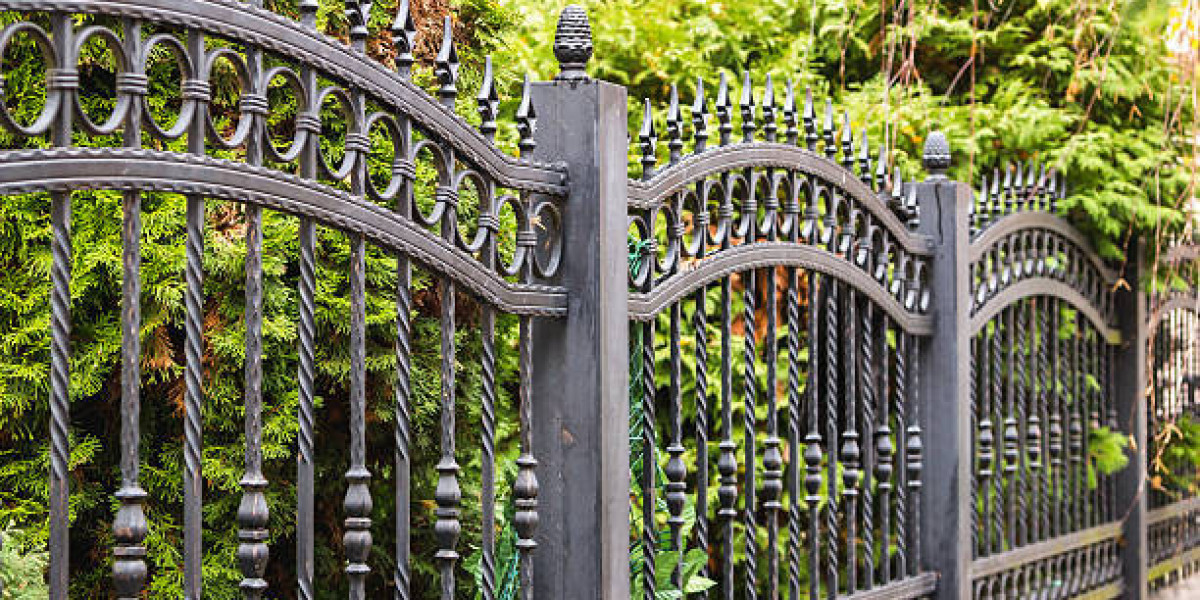

Sun, dust, wind, and sudden moisture can wear down a metal fence faster than many property owners expect. For homes in a high desert climate, Home in One notes that simple upkeep matters most when it prevents small flaws from becoming rust or gate problems. Washing away grit, drying the surface, and repairing chipped paint form the basic routine. wrought iron fence maintenance works best when those tasks follow a regular inspection instead of waiting for visible damage.
Key Takeaways
Rinse away dust and salt-like dirt before it holds moisture against the metal.
Check paint, welds, posts, hinges, and fasteners for early signs of wear.
Repair surface rust before it spreads under the surrounding coating.
Keep sprinklers and standing water away from the fence whenever possible.
The main goal is to keep the protective finish intact. Wrought iron is strong, but exposed metal can develop surface corrosion when chipped paint meets water from rain, irrigation, or cleaning. High desert weather adds intense ultraviolet light, blowing grit, and wide temperature changes, so a fence needs care that matches those conditions.
Why High Desert Conditions Matter
Dry air does not mean a fence will stay free of rust. Short rainstorms, morning moisture, pool water, and sprinkler overspray can create wet areas that dry unevenly. Dust then sticks to those spots and acts like a rough layer against the finish. The lower rails and areas near plants often show damage first because they receive more dirt and water.
Sunlight also breaks down paint over time. A finish may fade, become chalky, or lose its seal even when the metal still looks sound. Repeated heating and cooling can make old paint crack around welds, corners, and fasteners. These small openings allow moisture to reach the iron beneath.
Wrought Iron Fence Maintenance: A Practical Routine
A steady wrought iron fence maintenance routine can remain simple. Property owners should rinse the fence with clean water, use a soft brush and mild soap when dirt sticks, and dry the surface with a clean cloth or allow it to dry fully in warm weather. A pressure washer set too high can strip paint or force water into joints.
Inspection should happen at least twice a year and after a major windstorm or unusual rain. They should look closely at the side facing roads, sprinklers, gravel, and walkways. Early touch-up work usually requires less sanding and fewer new coats than repairs made after corrosion has caused deep pits.
Inspect the Fence in Detail
A close inspection should start at the posts because movement or soft soil can place extra stress on rails and welds. The gate deserves special attention. A dragging gate, uneven gap, loose hinge, or latch that no longer lines up may point to a post or foundation problem rather than a simple hardware issue. This careful approach is central to Nevada fence care, especially where wind and dust reach open properties.
They should also check the underside of rails, the backs of decorative parts, and places where two metals touch. Rust often begins in areas that are hard to see. A small flashlight helps reveal bubbling paint, orange staining, pinholes, and dark lines around welds.
Check each post for movement, cracking, or soil erosion.
Look for bubbling paint, bare metal, and orange rust marks.
Test gate hinges, latches, and stops for smooth movement.
Note any loose fasteners or cracked welds before cleaning.
Clean, Repair, and Protect the Finish
Once dirt has been removed, surface rust can usually be loosened with a wire brush or fine abrasive pad. Loose paint must also be removed, and the exposed area should be cleaned before primer is applied. A rust-inhibiting primer made for exterior metal gives the new paint a better base. The finish coat should be made for outdoor metal and applied according to its label.
The repair method depends on the depth of the damage. Light staining may need only cleaning, sanding, primer, and paint. Deep pitting, a thin rail, or a post that has lost strength calls for closer review before any coating is added. In areas where Albuquerque fence maintenance must account for strong sun and windblown dust, small touch-ups should be sealed before the next wet spell.
Rinse away soap and sanding dust before repainting.
Remove loose rust and paint instead of coating over them.
Use a compatible primer and exterior metal finish.
Keep fresh paint dry and free from dust during curing.
Choosing Materials and Repair Methods
The existing finish should influence every repair decision. A painted fence can often receive a careful touch-up after proper surface preparation. A powder-coated fence is different: its baked finish may not blend perfectly with ordinary paint, and the coating maker’s repair instructions should be followed when available.
Before choosing between a spot repair and a full repaint, they should consider how much of the fence is affected, whether the color has faded, and whether rust appears in many separate areas. A full coating job may make sense when the finish is failing across long rails, but painting should not hide weak metal or shifting posts. Structural repairs come before cosmetic work.
Drainage is another important choice. Soil should not stay piled against posts, and downspouts should not empty beside the fence. Sprinklers can be turned away from the metal, while plants should be trimmed enough to allow air movement and inspection. These changes often protect a new coating better than adding another layer of paint.
Common Mistakes That Shorten Fence Life
Many fence problems begin with rushed repairs. Painting over glossy old paint, leaving sanding dust on the surface, or using an indoor product can cause early peeling. Harsh cleaners may also damage nearby plants and strip a weak finish. A gentle wash followed by complete drying is safer for most painted metal fences.
Another common mistake is treating a gate problem as a hardware problem only. If a post has shifted, replacing a hinge will not correct the alignment. Property owners should also avoid sealing in active rust, covering drainage openings, or allowing gravel and soil to rub against lower rails.
Do not paint over loose rust or peeling coating.
Do not aim sprinklers directly at posts, hinges, or lower rails.
Do not ignore a gate that drags or fails to latch.
Do not use a new coating until the old surface is clean and dry.
When Professional Help Makes Sense
A qualified fence professional can help when corrosion has caused deep pits, a post has shifted, or a weld has cracked. They can also identify whether a fence needs a structural repair, a complete refinish, or replacement of one damaged section. This matters because a fresh coat of paint cannot restore metal that has lost too much thickness.
Professional help is also useful when a property has a long fence line, difficult access, a specialty finish, or a gate that carries significant weight. The owner should ask what surface preparation, primer, and finish will be used, and whether drainage or alignment problems will be corrected first.
Frequently Asked Questions
How Often Should a Wrought Iron Fence Be Cleaned?
A light rinse can be done when dust builds up, while a soap-and-water cleaning is often useful a few times each year. Fences near sprinklers, gravel roads, pools, or busy streets may need attention more often. Cleaning should always be followed by a careful inspection and full drying.
Can a Rusted Area Be Painted Right Away?
No. Loose rust, flaky paint, and dirt should be removed first. The area then needs to dry fully before a compatible metal primer and exterior finish are applied. Painting over active corrosion can trap moisture and cause the new coating to lift.
Which Paint Works Best for Wrought Iron?
An exterior paint made for metal is the usual choice, but the right product depends on the existing coating and the level of preparation. A rust-inhibiting primer may be needed on bare areas. The product label should confirm that the primer and finish can be used together.
Does Powder Coating Remove the Need for Care?
No. Powder coating resists normal wear, but chips, scratches, and damaged edges still need attention. Dirt and sprinkler water can also collect around posts and joints. Small coating failures should be cleaned and repaired before corrosion spreads under the finish.
When Should a Fence Be Repaired Instead of Repainted?
Repair is the better choice when a post moves, a rail is badly pitted, a weld cracks, or a gate no longer stays aligned. Paint can improve appearance, but it cannot restore missing metal or correct a weak foundation. Structural issues should be assessed before refinishing.
Keep the Fence Ready for Every Season
High desert weather rewards steady, modest care. Regular rinsing, careful inspection, good drainage, and timely paint repairs help protect the metal without turning upkeep into a large project. The most useful schedule is one that property owners can repeat and adjust based on sun, dust, irrigation, and storm exposure.
Schedule a Care Check
Before the next repaint, property owners can schedule a close inspection of every post, rail, hinge, and weld. They can record rust spots, note loose hardware, and check whether sprinklers wet the metal. A small repair made early is usually easier to manage than a large repair after corrosion reaches the frame. A local fence professional can assess hidden damage, recommend compatible coatings, and help set a care schedule suited to the property’s sun, dust, wind, and water exposure levels.