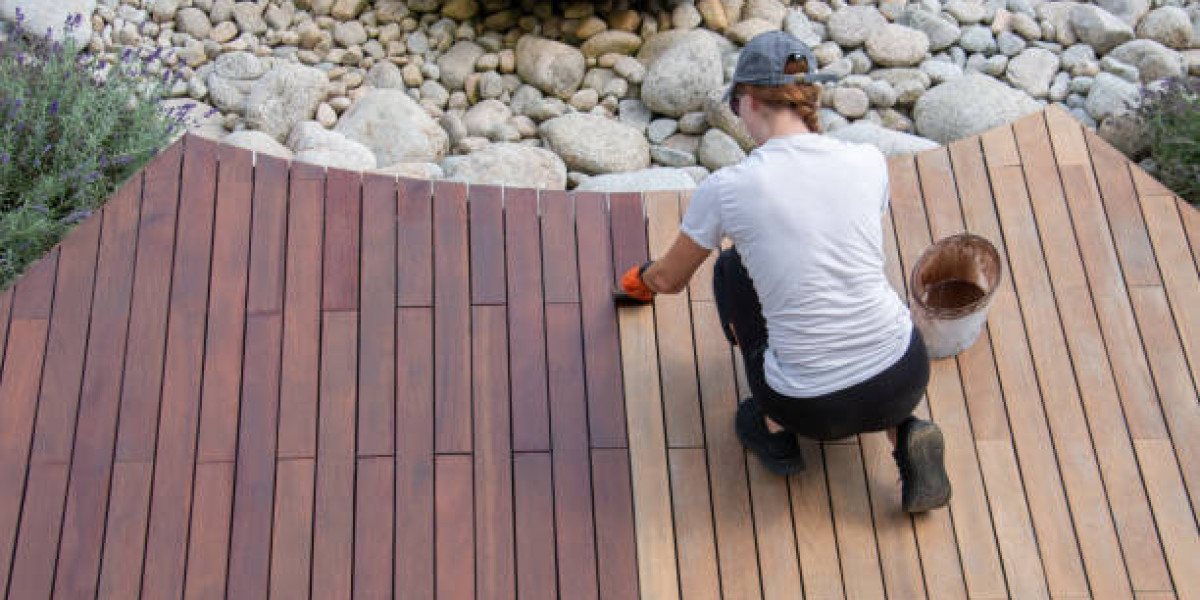

A deck can look sound while its finish fades, peels, or stops protecting the wood. The stain they choose affects the deck’s color, texture, upkeep, and ability to handle sun and moisture. This kind of work is offered by local painting contractors, including Blu Macaw Pro Painting, but the finish choice should come before any product quote. For anyone researching deck staining in meridian, id, the central choice is whether to keep the wood grain visible with a transparent or semi-transparent product or cover more of the surface with a solid stain.
Key Takeaways
Transparent stain keeps the most natural wood grain visible.
Semi-transparent stain adds color while showing much of the grain.
Solid stain gives older or mismatched boards a more even look.
Surface prep matters as much as the product selected.
Sun, moisture, wood condition, and future upkeep should shape the decision.
Choosing Deck Staining in Meridian, ID: The Short Answer
The best stain depends less on what looks good in a store and more on the deck’s current condition. A newer deck with attractive boards may benefit from a finish that shows its natural pattern. An older deck with gray areas, small color changes, or past patching may look more balanced with a solid stain.
Transparent stain contains little pigment, so it changes the wood’s tone without hiding much of the grain. It suits owners who like a natural appearance and are willing to accept that knots, marks, and board differences will remain visible. It usually works best when the wood is fairly even and has not suffered deep weathering.
A semi-transparent stain sits between the other two choices. It adds more color than a transparent product while still allowing the natural wood grain to show. For homeowners considering deck staining, this option can provide a richer cedar, brown, or gray tone without making the deck look painted.
Solid stain has the most pigment and creates an even color layer. It can make an older deck look more consistent, but it does not hide serious damage. Soft boards, loose fasteners, rot, and cracked railings still need attention before staining begins.
What Each Stain Type Does
A finish should match both the desired appearance and the amount of visible wear they are prepared to accept. A homeowner who wants a clean, uniform color may be disappointed by transparent stain, while someone who loves the grain may find solid stain too covering.
Transparent stain changes the tone lightly and leaves most grain, knots, and board marks visible.
Semi-transparent stain offers added color and some added shielding from UV exposure while keeping the grain easy to see.
Solid stain creates the most even appearance and can reduce the contrast between older and newer boards.
None of these products can replace board repairs, sound fasteners, or careful surface preparation.
Product type also affects future work. A transparent or semi-transparent finish may be easier to refresh when the wood remains sound. A solid product can require more attention if it begins to wear in patches or if the next finish does not bond well to the old layer. The label should be checked for suitable surfaces, drying conditions, and recommended recoat steps.
3. What Meridian Decks Need From a Finish
The local setting matters because a deck in the Treasure Valley may face bright, dry summer sun as well as cold winter conditions. Repeated exposure can dry the boards, fade the color, and open small gaps where moisture can settle. Looking at deck stain options in Meridian means considering how much direct sun the deck receives, whether it sits near sprinklers, and how quickly it dries after rain or snow.
Strong afternoon sun may call for a product with suitable UV protection and a color that will not show fading too quickly.
Damp areas under furniture, near planters, or beside shaded walls should be checked for mildew and slow drying.
Boards with different ages or wood types may show a stronger color difference under a transparent finish.
A test patch on a cleaned, dry section gives a better color preview than a store sample alone.
Weather timing matters during preparation and application. Pressure washing too hard can raise the wood grain or leave deep marks. The deck then needs enough time to dry before sanding, stain application, or a moisture check. A product label may also set limits for temperature, rain, and overnight conditions, so the calendar should allow room for delays.
A simple tip is to view the test patch in morning, afternoon, and evening light. Color can look warmer in direct sun and darker in shade. They should also check the appearance beside the home’s siding, trim, and outdoor furniture rather than judging the stain by itself.
4. How to Decide Before Buying Stain
The first question is whether the boards are healthy enough to finish. Look for soft spots, deep cracks, splintering, loose nails, and areas that stay damp. If a board feels weak when pressed or has signs of decay, replacing it may be more sensible than covering it. Stain improves appearance and helps limit weather exposure, but it cannot restore damaged wood.
Next, they should review the deck’s history. A deck with an unknown coating may need a small adhesion test before a new product is applied. If the old finish is peeling, thick, or uneven, more cleaning and sanding may be needed. Water-based and oil-based products can behave differently, so the new stain should be compatible with the prepared surface.
A practical plan for Meridian deck maintenance should also consider how the deck is used. Heavy foot traffic near stairs and doors may wear first. Pets, outdoor dining, grills, and movable furniture can add marks or block even drying. A lighter color may make some dust less noticeable, while a very dark color can make fading or dirt easier to see.
Inspect boards, stairs, railings, and ledger areas before choosing a color.
Identify the existing coating and ask whether it must be removed or only cleaned.
Compare a few test patches instead of relying on a color card.
Confirm preparation steps, drying time, product type, and maintenance expectations.
They should ask any contractor who provides an estimate to explain what is included in surface prep. That may involve cleaning, scraping, sanding, replacing damaged boards, protecting nearby surfaces, and applying one or more coats. A low price that leaves out needed preparation may not represent the same work as a complete proposal.
Common Mistakes That Affect the Result
One common mistake is choosing a stain color before checking the wood. A color that looks soft on new cedar may appear much darker on weathered boards. Another mistake is applying a heavy coat to make the color stronger. Too much product can dry unevenly, remain tacky, or create visible overlap marks.
Some owners also stain over damp wood because the surface feels dry on top. Moisture may still remain in board joints or shaded areas. The deck should be clean, dry, and free of loose material before coating. Nearby plants, siding, concrete, and metal hardware should be protected during cleaning and application.
It is also easy to overlook maintenance after the project. Leaves and dirt can hold moisture against the boards, while furniture can trap debris underneath. Regular sweeping, prompt cleanup of spills, and periodic checks around stairs and railings can help the finish age more evenly.
Frequently Asked Questions
Which Stain Is Best for an Older Deck?
Solid stain is often considered when an older deck has uneven color or visible weathering, but the boards must still be structurally sound. If the grain remains attractive and the wear is mild, a semi-transparent product may provide a more natural result.
Can They Change From Transparent to Solid Stain Later?
Usually, a change is possible after proper cleaning and preparation, but the old finish affects the result. The surface may need sanding or additional removal so the new product can bond evenly. A test area should be checked first.
Should a Deck Be Pressure Washed Before Staining?
Cleaning can remove dirt, loose coating, and some surface growth, but excessive pressure can damage soft wood. The person doing the work should use a method suitable for the wood and allow enough drying time before sanding or staining.
How Can They Keep the Stain Color Even?
They should work in manageable sections, keep a wet edge when the product calls for it, and avoid stopping in the middle of a visible board. Stirring the product as directed and using the same application method across the deck also helps.
Is a Dark Stain a Good Choice for a Sunny Deck?
Dark colors can create a rich appearance, but they may show fading and uneven application more clearly over time. A test patch is especially important on a sunny deck because the final shade can look different after it dries.
When Should a Deck Be Restained?
Timing depends on the product, exposure, wood condition, and signs of wear. Fading, water no longer beading, peeling, or dry-looking boards can signal that the finish needs review. The surface should be inspected instead of following a fixed calendar alone.
Making the Finish Decision With Care
Transparent, semi-transparent, and solid stains each solve a different appearance problem. The right choice comes from matching the product to the wood’s condition, the deck’s exposure, and the amount of upkeep they want to handle. Careful cleaning, drying, repairs, and a test patch can prevent many avoidable surprises.
Make the Next Step Practical
Before they buy stain, readers can compare the deck’s condition, sun exposure, wood type, and desired look. A careful inspection and small test area can prevent a color choice that feels wrong across the whole surface. They can contact a local painting professional to discuss preparation, product choices, timing, and maintenance needs. The next step is simple: photograph the deck, note peeling or soft boards, and ask for a plan that explains what will happen before, during, and after staining.