Rhinoplasty is a surgical procedure designed to change the shape, size, or proportions of the nose while addressing certain structural concerns. The techniques used during surgery depend on the patient's nasal anatomy, facial proportions, breathing function, and aesthetic goals. Understanding these approaches can help individuals make informed decisions when considering Rhinoplasty in Dubai.
The Best Rhinoplasty Surgeons in Dubai typically assess the nasal bones, cartilage, skin thickness, and internal structures before recommending a suitable surgical approach. Some patients may benefit from subtle changes to the nasal tip, while others require adjustments to the bridge, nostrils, or overall nasal framework. At Perfect Doctors Clinic, patients can discuss their concerns and explore appropriate Rhinoplasty treatment options with Dr Perfect Celebrity.
Why Do Best Rhinoplasty Surgeons in Dubai Choose Different Techniques?
No two noses have exactly the same structure. A technique that works well for one patient may not be suitable for another. Best Rhinoplasty Surgeons in Dubai consider several factors before deciding how to perform Rhinoplasty surgery.
These factors include nasal bone width, cartilage strength, skin thickness, existing asymmetry, breathing difficulties, previous nasal surgery, and the patient's desired outcome. The surgeon also evaluates whether the procedure is primarily cosmetic or involves functional improvements.
The choice of technique influences surgical access, the degree of visibility during surgery, and how the nasal framework can be reshaped. The main objective is to achieve balanced, natural-looking changes while preserving or improving nasal function whenever possible.
Common Techniques Used in Rhinoplasty Dubai
1. Open Rhinoplasty Technique
Open rhinoplasty involves a small incision across the columella, the strip of tissue between the nostrils, along with incisions inside the nose. This approach allows the surgeon to lift the skin and gain a direct view of the underlying nasal structures.
It may be appropriate for patients who require significant reshaping, complex cartilage adjustments, correction of substantial asymmetry, or revision surgery.
The open approach offers greater visibility when detailed changes to the nasal framework are necessary. However, it may involve more swelling during the early healing period and a small external scar, which generally becomes less noticeable as healing progresses.
2. Closed Rhinoplasty Technique
Closed rhinoplasty uses incisions placed entirely inside the nostrils. Because there is no external columellar incision, the approach avoids a visible incision on the outside of the nose.
It may be suitable for selected patients who need adjustments to the nasal bridge, a dorsal hump, or certain aspects of the nasal tip.
The closed technique can limit surgical exposure compared with the open approach. Its suitability depends on the complexity of the required changes and the surgeon's experience. It is not automatically better or less invasive in every case.
Both open and closed approaches can produce satisfactory outcomes when selected according to the patient's anatomy and surgical requirements.
3. Nasal Tip Refinement
Nasal tip refinement focuses on the shape, projection, rotation, and definition of the nose's tip. Patients may consider this technique when the tip appears rounded, broad, drooping, or disproportionate to the rest of the nose.
Surgeons may reshape the lower lateral cartilages, use carefully placed sutures, or add cartilage support when necessary. The specific method depends on cartilage strength, skin thickness, and the desired appearance.
Thicker nasal skin can make fine tip definition more challenging, while weak cartilage may require additional structural support. The aim is to create a tip that complements the bridge and other facial features rather than appearing overly narrow or artificial.
4. Nasal Bridge Reshaping
Nasal bridge reshaping addresses concerns such as a prominent dorsal hump, an uneven bridge, or an insufficiently defined nasal profile.
Depending on the patient's anatomy, the surgeon may carefully reduce excess bone or cartilage, reshape the bridge, or use grafting techniques to improve contour and support.
When a dorsal hump is reduced, the surgeon must also consider the relationship between the nasal bones and surrounding structures. In selected cases, additional adjustments may be needed to maintain a balanced nasal framework.
Patients considering Rhinoplasty Dubai procedures should understand that bridge reshaping must be planned according to the entire facial profile, not just the appearance of the nose from one angle.
5. Osteotomy for Nasal Bone Adjustment
An osteotomy involves controlled cuts in the nasal bones to reposition or reshape them. This technique may be used when the nasal bones are too wide, asymmetrical, or require adjustment after a dorsal hump has been reduced.
Osteotomies can help narrow the nasal bridge and improve alignment. The surgeon determines whether they are necessary based on the existing bone structure and the planned changes.
Because bone healing takes time, patients may experience bruising and swelling around the nose and eyes during early recovery. Following postoperative instructions is essential to protect the healing nasal framework.
6. Cartilage Grafting and Structural Support
Cartilage grafting involves using cartilage to strengthen, support, or reshape specific areas of the nose. Cartilage may be obtained from the nasal septum, ear, or, in selected cases, another suitable source.
This technique can be useful when the nasal tip needs additional support, the bridge requires augmentation, or the nose has structural weaknesses.
Cartilage grafts are also important in certain revision procedures, where previous surgery may have removed or weakened supporting tissue. The surgeon must assess the available cartilage and determine whether grafting is necessary to maintain both appearance and function.
How Do Rhinoplasty Procedures in Dubai Address Breathing Concerns?
Some patients seek rhinoplasty to improve appearance, while others have structural problems that affect nasal airflow. When cosmetic changes and functional concerns are present together, the surgical plan may need to address both.
A septoplasty may be recommended when a deviated nasal septum contributes to breathing difficulties. Depending on the patient's condition, other structural adjustments may also be considered.
Although rhinoplasty and septoplasty can sometimes be performed during the same operation, they address different concerns. Rhinoplasty primarily reshapes the external nose, while septoplasty corrects the internal nasal septum.
The Best Doctors in Dubai should evaluate nasal airflow, the septum, and relevant internal structures before recommending surgery. Patients should discuss persistent congestion, previous nasal injuries, allergies, and any history of breathing problems during their consultation.
What to Expect from Nose Surgery in Dubai at Perfect Doctors Clinic
At Perfect Doctors Clinic, patients can discuss their aesthetic concerns, nasal structure, and expected outcomes with Dr Perfect Celebrity. A consultation for Nose Surgery in Dubai should include an assessment of the nose, facial proportions, medical history, and suitability for the proposed procedure.
The surgeon can explain which techniques may be appropriate, whether structural support is required, and what limitations may affect the final appearance. Patients should also discuss potential risks, anesthesia, recovery requirements, and follow-up appointments.
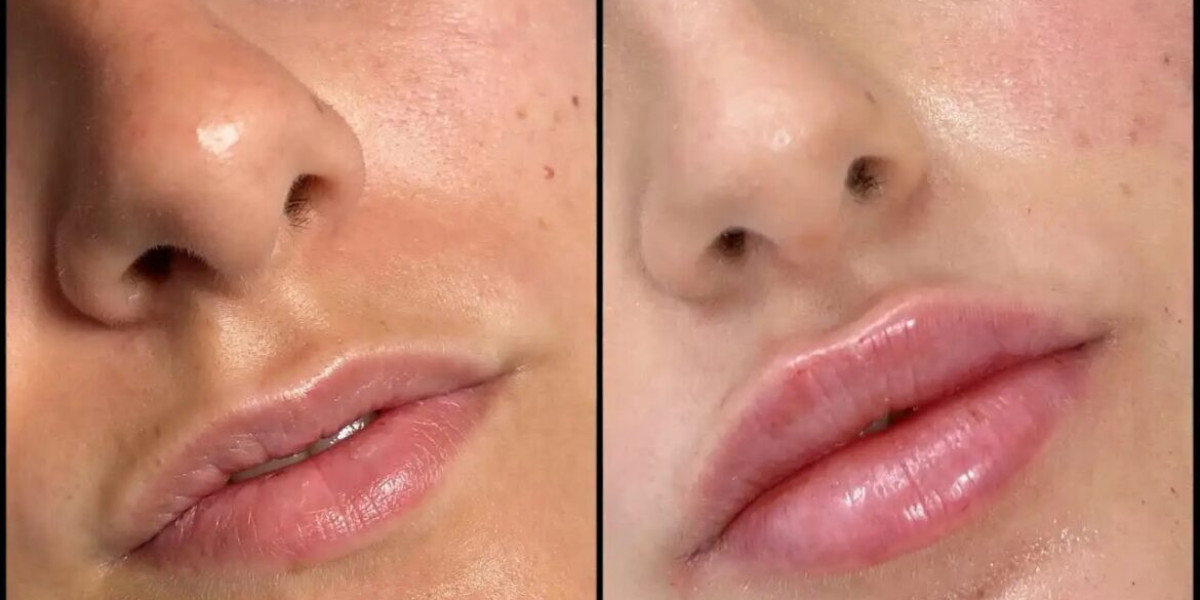
Rhinoplasty before and after photographs may help patients understand possible changes, although individual results vary. Photographs should be considered illustrative rather than a guarantee of a particular outcome.
Choosing a suitable rhinoplasty clinic in Dubai involves more than comparing photographs or advertised prices. Patients should review the surgeon's relevant qualifications, surgical experience, facility standards, and approach to postoperative care.
Rhinoplasty Recovery and Expected Results
Rhinoplasty recovery varies according to the surgical approach, the extent of reshaping, and individual healing patterns. Swelling, bruising, congestion, and temporary discomfort are common during the initial recovery period.
Many patients return to non-strenuous activities within approximately one to two weeks, depending on their surgeon's advice. However, residual swelling, particularly around the nasal tip, can take several months to improve. Final Rhinoplasty results may take a year or longer to become fully apparent.
Patients should follow instructions about nasal care, activity restrictions, sleeping position, and follow-up visits. Contact sports and activities that could injure the nose should be avoided until the surgeon confirms that they are safe.
It is also important to maintain realistic expectations. The goal is to improve nasal proportions and address relevant structural concerns while preserving a natural appearance and appropriate function.
Nose Surgery Cost in Dubai: What Influences the Price?
The Nose Surgery Cost in Dubai depends on several factors, including the complexity of the procedure, the surgical technique, anesthesia, facility fees, and whether additional functional corrections or cartilage grafts are required.
For planning purposes, an indicative price range may be AED 23,299 to AED 30,000. Actual fees can vary, and patients should confirm the current price and what it includes during their consultation.
When comparing the Rhinoplasty cost in Dubai, ask whether the quoted amount covers the surgeon's fees, anesthesia, facility charges, postoperative appointments, and any necessary medications. Revision rhinoplasty and more complex procedures may have different costs.
Price should not be the only consideration. The surgeon's qualifications, treatment plan, safety standards, and postoperative support are important factors when deciding where to undergo surgery.
Conclusion
The techniques used by the Best Rhinoplasty Surgeons in Dubai range from open and closed rhinoplasty to nasal tip refinement, bridge reshaping, osteotomy, and cartilage grafting. Each method serves a different purpose, and the most appropriate option depends on the patient's anatomy, functional needs, and aesthetic goals.
At Perfect Doctors Clinic, patients can discuss suitable Rhinoplasty treatment options with Dr Perfect Celebrity and learn about the expected benefits, limitations, recovery process, and costs. A thorough consultation helps establish a realistic surgical plan focused on facial balance, nasal function, and patient safety.
Frequently Asked Questions
1. What is the most commonly used rhinoplasty technique?
Open and closed rhinoplasty are two commonly used approaches. The choice depends on the complexity of the required changes, the patient's anatomy, and the surgeon's assessment.
2. Is open rhinoplasty better than closed rhinoplasty?
Neither technique is universally better. Open rhinoplasty provides greater direct visibility of nasal structures, while closed rhinoplasty avoids an external incision. The appropriate method depends on the patient's needs.
3. Can rhinoplasty improve the shape of a bulbous nose tip?
Yes. Nasal tip refinement can improve the shape and definition of a bulbous tip. The technique depends on cartilage structure, skin thickness, and the desired result.
4. Can rhinoplasty correct a wide nasal bridge?
Rhinoplasty can sometimes narrow a wide nasal bridge. Depending on the bone structure, the surgeon may use osteotomy or other reshaping techniques.
5. Can rhinoplasty and septoplasty be performed together?
Yes. They can be combined when a patient needs external nasal reshaping and correction of a deviated septum. The surgeon determines whether combined surgery is appropriate.
6. How long does rhinoplasty recovery take?
Many patients resume non-strenuous activities within one to two weeks. However, swelling can continue to improve for months, and final results may take a year or longer.
7. What affects rhinoplasty results?
Results depend on nasal anatomy, skin thickness, cartilage strength, surgical planning, healing, and adherence to postoperative instructions. Individual outcomes cannot be guaranteed.
8. What is the rhinoplasty cost in Dubai?
An indicative range is AED 23,299 to AED 30,000. The final price depends on surgical complexity, the techniques required, and the services included in the treatment package.
9. How can I choose the best rhinoplasty surgeon in Dubai?
Review relevant qualifications, experience with similar procedures, facility standards, patient safety practices, and postoperative care. Discuss your goals and ask about risks and realistic outcomes during consultation.
10. What should I ask during a rhinoplasty consultation with the Best Doctors in Dubai?
Ask the Best Doctors in Dubai which technique suits your anatomy, whether breathing correction is needed, what results are realistic, what risks may occur, how long recovery takes, and what the total treatment cost includes.