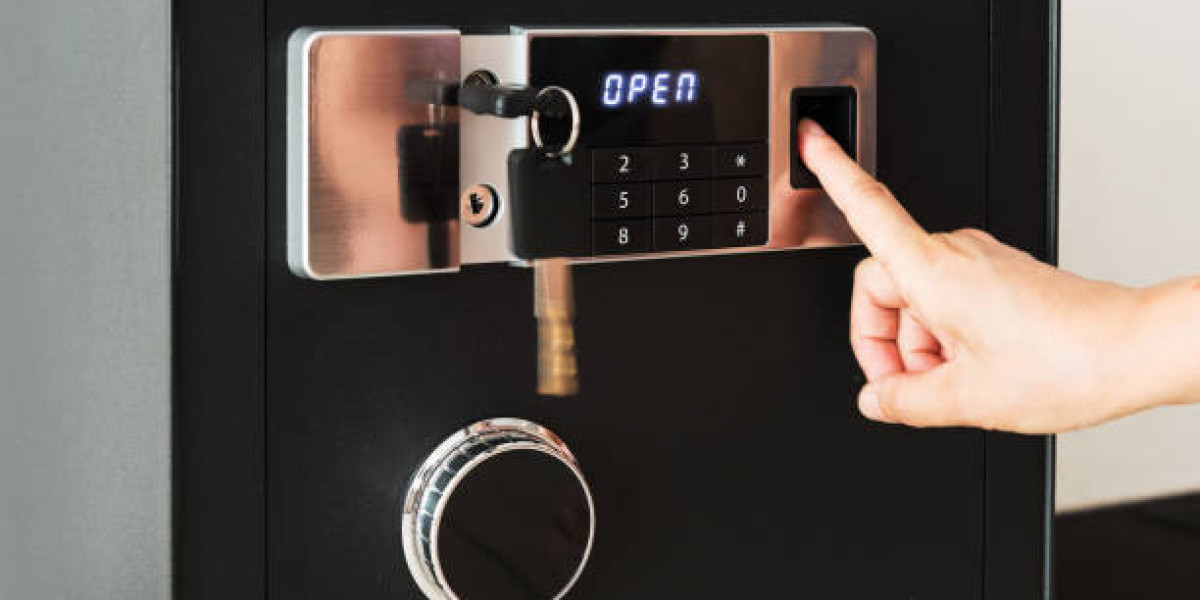

A gun safe lockout can create two problems at once: access is blocked, and forceful attempts can damage the lock, door, or safe contents. The right response is to stop guessing at codes, keep tools away from the door, and confirm who can legally request help. For Arizona owners, Old Glory Locksmith can be one local point of contact for questions about a locked safe. A gun safe locksmith in phoenix, az typically begins with safe identification, ownership or authorization checks, and a lock-specific plan before any entry work starts.
Key Takeaways
Lock type and safe design determine the safest entry method.
Ownership or authorization should be confirmed before work begins.
Electronic, mechanical, and biometric locks have different failure points.
Repeated code attempts and improvised drilling can make the problem worse.
Most lockouts are handled by first identifying the safe, checking the lock, and looking for a simple cause such as a weak battery or a jammed bolt. A qualified locksmith then chooses the least damaging method that fits the lock design. The goal is not merely to open the door. It is also to protect the safe, preserve its contents, and leave the owner with a working lock or a clear repair plan.
1. How a Gun Safe Lockout Is Handled
The first step is a careful inspection. The safe locksmith may ask for the safe brand, model, lock type, symptoms, and any recent changes. A digital safe with a blank keypad needs a different check from a mechanical dial that turns but does not release the boltwork. A biometric scanner may need attention to its battery, sensor, or stored user data.
Next comes an ownership or authorization check. This protects the owner and prevents unauthorized access to a firearm or other valuables. Useful records may include a purchase receipt, safe serial number, identification, or permission from the property owner. The exact documents can vary, but the request should be clear before the safe is opened.
After those checks, the locksmith examines the likely cause. A low battery, loose connection, blocked bolt, worn dial, or failed keypad may explain the lockout. If a basic fix does not work, the locksmith considers non-destructive entry methods before any drilling or cutting. If drilling becomes necessary, the location is chosen with care because some safes have hard plates, relockers, or other parts that can complicate repairs.
The usual process can be summarized this way:
Identify the safe and its lock system.
Confirm ownership or permission to request entry.
Check simple causes such as batteries, alignment, and bolt pressure.
Select an entry method that limits damage.
Test the lock and discuss repair or replacement before closing the job.
2. Why Gun Safe Lockouts Need Special Care
A gun safe is not the same as a house door. Its door may contain heavy bolts, a hardened plate, and a relocker that blocks the mechanism if tampering is detected. The lock may also be connected to a control board or internal wiring. Applying force in the wrong place can turn a small lock problem into a damaged door or a lock that must be replaced.
Electronic locks often fail because of weak batteries, dirty contacts, keypad damage, or a fault in the control unit. A battery compartment may be inside the front panel, under a cover, or in an external keypad. Mechanical locks can develop dial alignment problems or worn parts. Biometric locks may fail to read a fingerprint because of a dirty sensor, a damaged reader, or a power issue.
Many owners ask whether a dead keypad battery always means the safe must be drilled. It does not. The answer depends on the model and how the battery connects to the lock. A locksmith may inspect the power path and lock condition first. Manufacturer support may also help with model-specific instructions, but it may not resolve a damaged mechanism or an urgent access problem.
Another common question is whether a locksmith can open the safe without damage. Sometimes that is possible, but no ethical professional should promise it without seeing the safe. The lock type, condition, age, previous tampering, and available service information all affect the outcome. A clear explanation of possible results is more useful than a guarantee made before inspection.
3. Choosing a Gun Safe Locksmith in Phoenix, AZ
When a reader searches for a gun safe locksmith in phoenix, az, the lowest advertised price should not be the only concern. Safe work requires experience with more than ordinary door locks. A safe locksmith in Phoenix should be able to explain how electronic keypads, mechanical dials, biometric systems, and replacement locks differ. They should also explain what could happen if non-destructive entry is not possible.
Location and access details matter in Phoenix homes, apartments, offices, and storage areas. The owner should state whether the safe is anchored, located in a tight space, or near walls and flooring that need protection. Phoenix heat can also shorten the life of batteries in some electronic devices, so the age and condition of the current batteries are useful details to share.
Before booking, the owner can ask what information is needed, whether authorization will be checked, and whether the assessment includes testing the lock after entry. It is also reasonable to ask how a repair estimate will be handled if the lock, keypad, or boltwork is damaged. Clear answers help the owner compare service on quality and care rather than price alone.
Important decision points include:
Experience with the safe’s specific lock type.
A clear process for ownership and authorization checks.
An explanation of possible damage and repair choices.
Careful handling of the safe, floor, walls, and contents.
4. Preventing Another Gun Safe Lockout
Common issues affecting safe locks can often be prevented through routine testing and proper maintenance. Once the safe is open, the owner should test the lock several times with the door open to identify a weak battery, incorrect code, or bolt alignment issue before closing it again. The code should only be changed according to the manufacturer’s instructions, and replacement batteries must match the required type.
For a Phoenix gun safe, battery planning is especially useful when the safe is in a hot garage or another area with changing temperatures. Batteries should be replaced on a regular schedule based on the lock maker’s instructions, not only when the keypad stops working. An emergency key, if the safe has one, should be stored somewhere secure and separate from the safe rather than taped nearby.
Owners should keep the model and serial details in a secure record. They should avoid spraying oil into an electronic keypad or forcing a dial past its normal stopping point. If a firearm is accessible while the safe is open, other people and children should stay away, and the owner should follow safe firearm-handling practices.
Practical prevention steps include:
Test a newly changed code with the door open.
Replace batteries before they are fully drained.
Keep the override key and safe records in a secure place.
Follow the manufacturer’s cleaning and maintenance instructions.
Frequently Asked Questions
Can a Locksmith Open a Gun Safe Without Drilling?
Sometimes. The answer depends on the lock, safe construction, condition, and cause of the lockout. A careful locksmith normally checks for simpler solutions first, but drilling may be needed when the lock or internal mechanism has failed.
What Should an Owner Have Ready Before Calling?
The owner should have the safe brand, model if known, lock type, symptoms, and serial details. Proof of purchase or another form of authorization may also help. A photo of the outside keypad or dial can help the locksmith prepare, provided it does not reveal private access information.
Is a Keypad Problem Always Caused by the Battery?
No. A keypad may also have dirty contacts, damaged wiring, a failed control board, or a lock that is under pressure from misaligned bolts. Replacing the battery is a reasonable basic check, but repeated attempts should stop if the keypad remains unresponsive.
Can a Lost Override Key Be Replaced?
In many cases, a replacement key must match the safe’s lock code or model. The manufacturer or a qualified locksmith may need ownership details before arranging one. A random key should not be forced into the lock because it can damage the cylinder.
Does an Anchored Safe Need to Be Moved During Service?
Not always. A locksmith can often inspect and work on an anchored safe in place. Moving or tilting a heavy safe can damage flooring, walls, or the safe itself, so relocation should be considered only when the lock design or workspace makes it necessary.
What Happens If the Lock Must Be Replaced?
The owner should receive an explanation of why replacement is needed and what type of lock will fit. After installation, the new code or key should be tested several times with the door open. The old lock and any removed parts should be handled according to the owner’s security needs.
Conclusion
A gun safe lockout calls for patience, careful identification, and a method suited to the lock rather than the fastest possible force. Owners can reduce risk by stopping repeated attempts, preparing authorization records, and asking clear questions about entry and repair. Once access is restored, testing the lock with the door open and keeping up with battery and code maintenance can help prevent the same problem from returning.
Request Careful Lockout Help
When a gun safe will not open, the safest next step is to stop repeated code attempts and avoid improvised drilling. Gather the safe brand, lock type, serial details, and any proof of ownership before requesting help. Ask how the lockout will be assessed, what entry methods may be used, and whether repair or lock replacement could follow. A careful conversation helps set clear expectations and protects the safe, its contents, and the owner’s next decision with less uncertainty today.