
Rhinoplasty, commonly known as nose reshaping surgery, is a cosmetic procedure designed to improve the appearance and structure of the nose. It can address concerns such as a prominent nasal bridge, a wide nasal tip, asymmetry, or breathing difficulties.Although many patients are happy with their surgical outcomes, some may feel that their nose does not look or function as expected after surgery.Understanding the healing process, possible complications, and available corrective options can help patients make informed decisions.For individuals considering Rhinoplasty in Islamabad, knowing what happens if the results are unsatisfactory is an important part of preparing for surgery.
What Can You Do If You Are Not Happy With Your Rhinoplasty Results?
If you are unhappy with your surgical outcome, the first step is to discuss your concerns with your original surgeon or seek an independent assessment from a qualified rhinoplasty specialist.The appropriate solution depends on the reason for dissatisfaction, the amount of time since surgery, and the condition of the nasal structures.
Schedule a Follow-Up Consultation
A follow-up appointment allows your surgeon to evaluate your healing progress and understand your concerns.During the surgeon may recommend additional monitoring if the nose is still healing.
Allow Sufficient Time for Healing
Many patients consider revision surgery too early because they are concerned about swelling or minor irregularities.However, operating before the tissues have sufficiently healed can increase surgical difficulty and potentially compromise the outcome.Unless there is a medical complication requiring earlier treatment, surgeons generally recommend waiting at least 12 months before considering revision rhinoplasty.
Consider Revision Rhinoplasty
Revision rhinoplasty is a secondary surgical procedure performed to correct or improve the results of an earlier nose surgery. is often more complex than the initial procedure because the surgeon must work with previously operated tissues and possible scar formation.
Explore Non-Surgical Correction Options
In selected cases, minor cosmetic irregularities may be improved with non-surgical treatments.For example, carefully administered dermal fillers may help camouflage certain small depressions or contour irregularities.However, fillers cannot correct structural problems, reduce the size of the nose, or reliably treat breathing difficulties. They also carry serious risks, including vascular complications and skin damage, particularly around the nose.A qualified medical professional must determine whether this approach is appropriate.
What Is Revision Rhinoplasty and How Does It Work?
Revision rhinoplasty is designed for patients who remain dissatisfied with their previous nose surgery or experience functional problems after the procedure.The goal is to improve nasal appearance, restore structural support, or address breathing concerns while considering the limitations created by the previous surgery.
Detailed Nasal Assessment
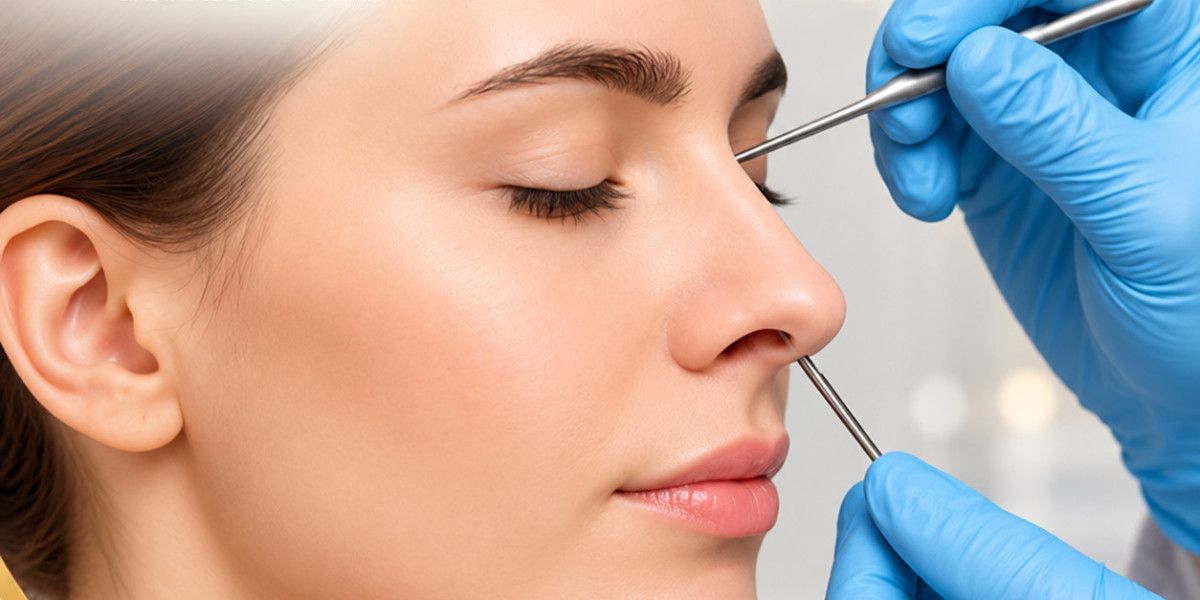
The surgeon examines the nose, reviews the previous surgical history, and evaluates the nasal structure.Photographs, physical examination, and additional investigations may be recommended depending on the patient's concerns.
Identifying the Problem
The surgeon determines whether the issue is related to swelling, scar tissue, cartilage irregularities, structural weakness, or an underlying breathing problem.
Developing a Personalised Surgical Plan
Depending on the findings, the surgeon may recommend reshaping cartilage, adjusting the nasal bridge, improving structural support, or correcting internal nasal abnormalities.In some cases, cartilage grafts may be required. These can be obtained from the nasal septum, ear, or rib, depending on the patient's needs.
Performing the Procedure
Revision rhinoplasty may be performed using an open or closed surgical approach.The choice depends on the complexity of the correction and the surgeon's assessment.
Recovery and Monitoring
After surgery, patients need appropriate rest, follow-up appointments, and careful adherence to post-operative instructions.The recovery process may take longer than primary rhinoplasty because revision procedures often involve more complex tissue changes.
Who Is a Suitable Candidate for Revision Rhinoplasty?
Not everyone who feels dissatisfied with their nose needs another operation. A proper medical assessment is necessary before deciding whether revision surgery is appropriate.Potential candidates generally include should also have realistic expectations and be prepared for a potentially longer recovery period.
What Are the Possible Risks of Revision Rhinoplasty?
Like any surgical procedure, revision rhinoplasty carries certain risks. Because the nose has already undergone surgery, the procedure may be more challenging.Possible consultation helps patients understand these risks and determine whether the expected benefits justify undergoing another procedure.
How Can You Improve Your Chances of Being Satisfied With Rhinoplasty?
Although no surgeon can guarantee a perfect result, several steps can help patients make better decisions and support a smoother recovery.
Choose a Qualified and Experienced Surgeon
Look for a properly qualified surgeon with relevant experience in primary and revision rhinoplasty. Review their professional credentials and discuss their experience with cases similar to yours.
Communicate Your Expectations Clearly
Explain which features you want to improve and discuss what is realistically achievable based on your facial structure.
Follow Post-Operative Instructions
Avoid activities that may put pressure on the nose, protect it from accidental injury, and attend scheduled follow-up appointments.
Be Patient During Recovery
Do not judge your final results based on early swelling or temporary changes. Healing takes time, and the nasal appearance can continue to improve over several months.
Rhinoplasty Consultation at Glam Smile Clinic
Choosing the right clinic and medical professional is an important part of planning nose reshaping surgery. Patients should prioritise appropriate medical qualifications, surgical experience, patient safety, and realistic treatment planning.At Glam Smile Clinic, individuals considering rhinoplasty can seek information about their aesthetic concerns and discuss suitable treatment considerations during a consultation.Patients who are unhappy with previous rhinoplasty results should have their concerns assessed carefully before deciding whether revision surgery or another approach may be appropriate.A personalised evaluation can help clarify available options, potential limitations, recovery expectations, and possible risks.
Frequently Asked Questions (FAQs)
What Should I Do If I Hate My Rhinoplasty Results?
Start by discussing your concerns with your surgeon. Early swelling can affect the appearance of your nose, so it is important to allow sufficient healing time. If the problem persists, seek an assessment to explore appropriate corrective options.
How Long Should I Wait Before Getting Revision Rhinoplasty?
Most patients are advised to wait at least 12 months after their initial surgery before considering revision rhinoplasty. This allows swelling to settle and tissues to heal. The appropriate timing depends on individual circumstances.
Can Revision Rhinoplasty Fix a Crooked Nose?
Yes, revision rhinoplasty may improve certain forms of nasal asymmetry or crookedness. However, the outcome depends on the underlying structural problem, scar tissue, available cartilage, and individual anatomy.
Is Revision Rhinoplasty More Difficult Than the First Surgery?
Yes, revision rhinoplasty is often more complex because the surgeon must work with previously operated tissues, scar formation, and potentially altered cartilage structures. It requires careful assessment and specialised surgical planning.
Can I Improve Rhinoplasty Results Without Another Surgery?
Some minor cosmetic irregularities may be addressed with non-surgical treatments in carefully selected cases. However, these treatments cannot correct significant structural problems or improve all breathing-related concerns. A medical assessment is necessary before choosing an alternative.
Conclusion
Being unsatisfied with rhinoplasty results can be frustrating, particularly when you have invested time, money, and expectations in improving your appearance. However, an imperfect early result does not always mean that your surgery has failed. Swelling and tissue healing can significantly influence the appearance of your nose during the first year.If concerns remain after adequate recovery, revision rhinoplasty or selected non-surgical options may help address specific problems. The right approach depends on your nasal structure, previous surgery, health, and desired outcome.