
Hair loss can quietly change how a person feels about their appearance, their confidence at work, and even their willingness to attend social events. For many men and women in Pakistan’s capital, the search for a lasting solution begins with a lot of questions and very little clear guidance. Modern restoration techniques have made real progress in recent years, and the most important change is a shift toward putting the patient first. When people look into FUE Hair Transplant in Islamabad , they are really looking for a procedure that is safe, natural-looking, and tailored to their own hair, not a one-size-fits-all package. A patient-focused approach treats every scalp as unique and every person as more than a number of grafts.
Understanding What FUE Actually Is
Follicular Unit Extraction, commonly called FUE, is a hair restoration technique in which individual follicular units are harvested one by one from a donor area, usually the back and sides of the scalp. These areas are genetically more resistant to the hormone that causes pattern baldness. The harvested follicles are then implanted into thinning or bald areas using tiny recipient sites created by the surgeon. Unlike the older strip method, FUE does not require removing a long band of scalp, so there is no linear scar and recovery is generally more comfortable. Patients who like to wear their hair short often prefer it for exactly this reason, since the tiny dot-like marks heal into a pattern that is difficult to notice.
Why a Patient-Focused Philosophy Matters?
A hair transplant is permanent in its effect, which means a poor decision cannot be easily reversed. Clinics that rush through consultations or promise unrealistic density often leave patients disappointed. A patient-focused approach slows things down at the beginning so the results can last for decades. It begins with listening, because the patient’s goals, lifestyle, age, and expectations all shape the plan. Someone in their early twenties with rapidly progressing loss needs a very different strategy from a man in his fifties whose hairline has been stable for years. Good care also means being honest. If a person is not yet a suitable candidate, a responsible practitioner will say so and suggest medical treatment or a waiting period instead of rushing into surgery.
The Importance of a Thorough Consultation
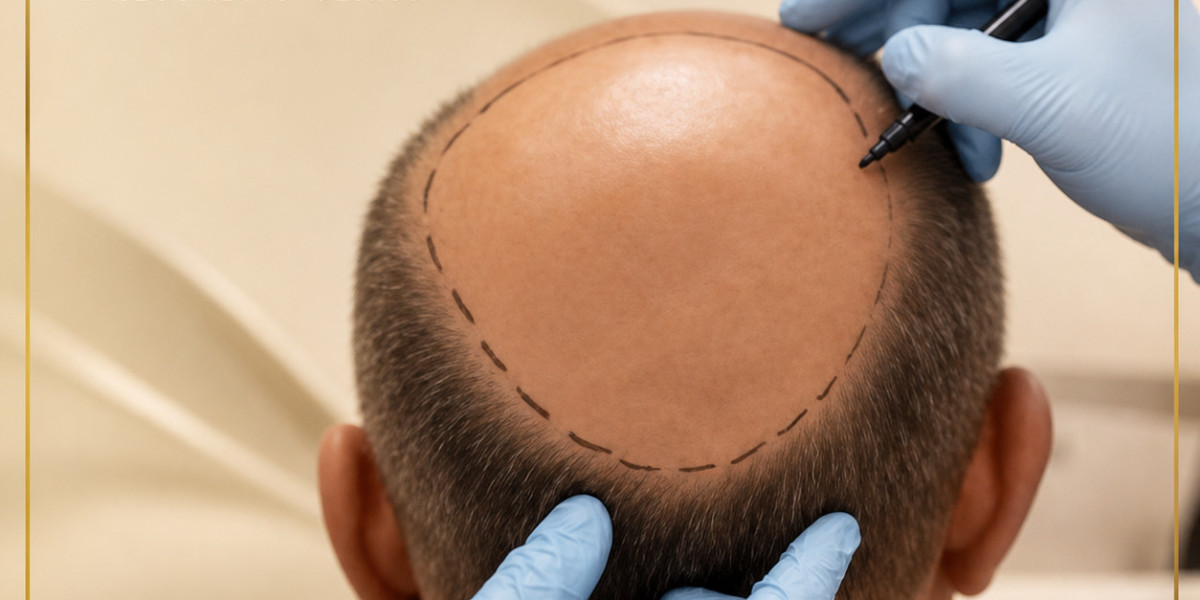
The consultation is where trust is built. A careful specialist will review the medical history, current medications, family pattern of hair loss, and any scalp conditions that might affect healing. The donor area is examined for density and hair caliber, since the available supply of healthy follicles is limited and must be used wisely. The surgeon should explain the likely progression of baldness so that the transplant is designed for the future and not only for today. Planning a hairline that looks perfect at twenty-five but strange at forty-five is a common mistake. A patient-focused clinic discusses these realities openly and encourages questions without pressure to book immediately.
Designing a Natural Hairline
The difference between a transplant that looks natural and one that looks obvious usually lies in the hairline. Natural hairlines are not straight lines. They are slightly irregular, softer at the front, and gradually increase in density behind the leading edge. Single-hair grafts are placed at the front to create that gentle transition, while thicker multi-hair grafts are positioned further back to provide fullness. The angle, direction, and depth of every implanted follicle should match the existing hair so that it grows in the same way. This artistic side of the procedure cannot be automated, and it depends heavily on the experience and judgment of the surgeon and the trained team.
Safety, Hygiene, and Comfort During the Procedure
Comfort and safety should never be treated as optional extras. FUE is carried out under local anesthesia, so the patient stays awake but feels no pain in the treated areas. The initial numbing injections may cause brief discomfort, after which most people relax, watch something, or even sleep through parts of the session. Sterile instruments, a clean operating environment, and trained staff who monitor the patient throughout are essential. Breaks for food, water, and rest help the person feel looked after. Depending on the number of grafts, a session may last several hours, and a considerate team keeps the patient informed at every stage so there are no surprises.
Aftercare and the Recovery Timeline
What happens after the procedure is just as important as the surgery itself. In the first few days, mild swelling, redness, and small scabs around the transplanted area are common. Patients are given clear instructions on washing, sleeping position, and activities to avoid, and following them closely protects the new grafts. Most people return to desk work within a few days, though strenuous exercise and sun exposure should be limited for a couple of weeks. Around two to four weeks after surgery, the transplanted hairs usually shed. This is a normal part of the cycle and worries many patients who are not warned about it. New growth typically begins around the third or fourth month, and the full result often takes twelve to eighteen months to appear. A patient-focused clinic stays in touch through this long stretch, offering reassurance and scheduled follow-ups.
Setting Realistic Expectations
Honest communication about results is one of the clearest signs of a trustworthy provider. A transplant redistributes existing hair, it does not create new hair, so the final density depends on the donor supply and the area being covered. Some patients may need a second session to refine density or to cover additional areas as time passes. Transplanted hair is generally long-lasting, but natural hair around it can continue to thin if the underlying condition is not managed. For this reason, many specialists recommend supportive treatments such as medication or other therapies to protect existing hair. When expectations are realistic, satisfaction tends to be much higher, because the patient understands what the procedure can and cannot achieve.
Choosing the Right Clinic and Surgeon
With so many options available, choosing wisely takes some effort. Patients should look for a qualified doctor who personally performs or closely supervises the critical steps, such as hairline design and graft placement. Asking to see real, unedited before-and-after photographs of past patients is reasonable, and so is asking how many procedures the surgeon has performed. Be cautious about unusually low prices, guaranteed results, or high-pressure sales tactics. A clinic that explains the process clearly, answers difficult questions calmly, and respects your decision-making time is far more likely to deliver good care. Reading independent patient experiences and speaking directly with the medical team can provide useful reassurance before committing.
Who Makes a Good Candidate?
Most adults with stable donor hair and a clear pattern of loss can be considered, though not everyone is ideal. Men with androgenetic alopecia are the most common candidates, and some women with localized thinning or hairline concerns can also benefit. People with extensive loss and very limited donor hair may need a more conservative plan. Certain medical conditions, active scalp infections, or unrealistic goals might lead a doctor to recommend delaying the procedure. Age matters as well, since very young patients whose hair loss has not yet stabilized need especially careful planning. An individual assessment is the only reliable way to know whether surgery is the right step.
The Emotional Side of Hair Restoration
Hair restoration is not only a cosmetic decision. It often has a strong emotional component, and patients deserve respect and empathy when sharing something so personal. A caring team understands that the journey can involve anxiety before surgery and impatience during the long growth phase. Clear communication, patience, and reassurance make this experience easier. Many patients report that the most valuable outcome is not simply thicker hair but the return of confidence in photographs, meetings, and everyday interactions. When a clinic honors that emotional reality, the entire experience feels supportive rather than purely transactional.
Conclusion
A successful hair transplant is built on much more than technology. It depends on careful planning, honest advice, artistic skill, strict safety standards, and dependable aftercare, all centered on the individual patient. By choosing a clinic that listens, explains clearly, and values long-term outcomes over quick sales, patients give themselves the best chance of natural and lasting results. For anyone considering FUE Hair Transplant in Islamabad, the best first step is a professional consultation that offers honest guidance and a personalized plan. Contact us at our website https://www.glamorousclinic.com.pk/ to begin that conversation and take a confident step toward restoring natural-looking hair.