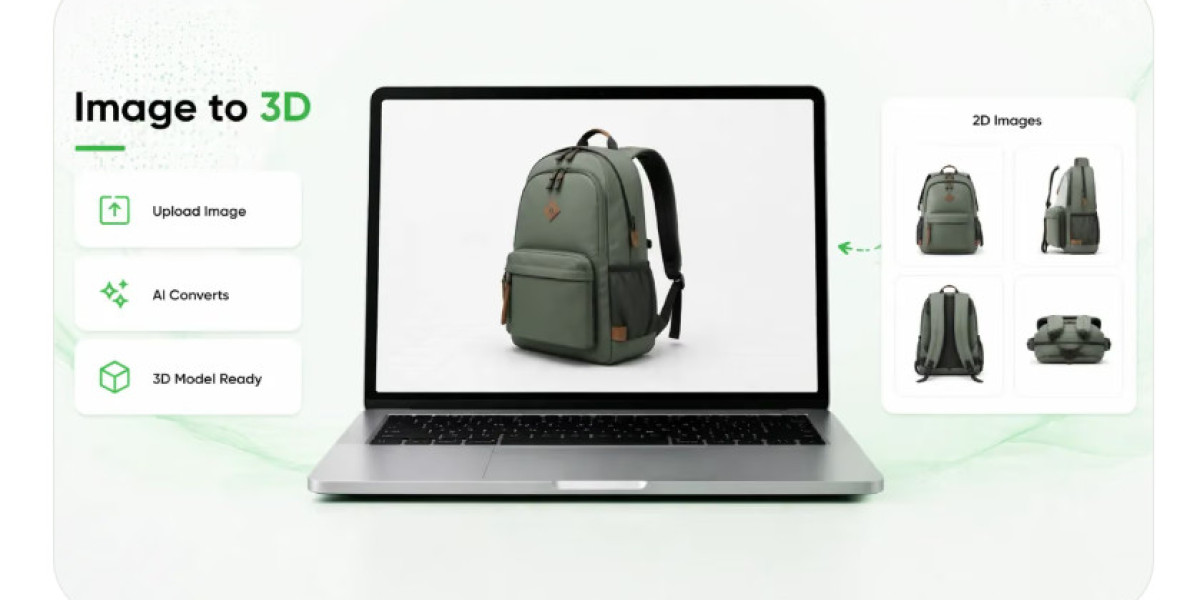

A product image is often the first opportunity a business has to communicate what it sells. Customers use photographs to judge appearance, compare alternatives, and decide whether an item deserves further attention. In traditional online shopping, a small collection of photographs may be enough to introduce a product. Interactive product models, however, place greater demands on the visual information used to represent physical objects.
When a photograph becomes the reference for a digital model, the details within that image can influence how the finished representation looks and behaves. A clear view of the product's shape, surface, and individual components can support a more dependable result. An unsuitable image may leave important information uncertain, allowing inaccuracies to enter an experience that customers are expected to trust.
This matters because interactive models often create a stronger impression of realism than ordinary product photographs. Customers may rotate an object, examine its structure, or view it in a setting where they intend to use it. If the digital version differs from the physical item, the additional interaction can make the mismatch more noticeable. Businesses need to understand that image selection is not simply a creative decision. It can influence customer expectations, purchasing decisions, operational costs, and the reputation of the brand.
The Source Image Sets the Direction
Not every photograph communicates a product equally well. A carefully selected image should reveal enough of the object's appearance to make its important characteristics understandable. The camera angle, lighting, background, focus, and visibility of individual parts all affect the information available to anyone creating a digital representation.
A front-facing photograph may work well for a simple product with a flat surface, but it may reveal very little about an object with a complex structure. A chair, for example, has a seat, backrest, legs, arms, and connections between those parts. A photograph showing only its front may conceal the shape of the rear supports or the depth of the seat. If the digital model is based on incomplete visual information, it may reproduce the general appearance while getting important details wrong.
Lighting introduces another complication. Strong reflections can make surfaces difficult to interpret, while deep shadows may hide edges and small components. An image taken at an unusual angle can also make an object appear wider, narrower, or differently shaped than it really is. These effects are not necessarily problems for ordinary advertising photography, where the goal may be to create an attractive composition. They become more significant when the image is expected to serve as a reference for an interactive model.
Selecting appropriate photographs therefore involves thinking about what a customer will need to understand later. An image that looks impressive in a campaign may not always be the most useful source for accurate digital production.
Creating Digital Representations From Images
The transition from a photograph to an interactive product model requires attention to the difference between visible appearance and complete product information. An image to ar process can help businesses turn existing visual material into a more engaging digital experience, but the quality of the result depends partly on how much useful information the selected image provides.
For a straightforward object, a clear photograph may communicate enough about its overall shape to support a convincing representation. Products with curved surfaces, layered construction, reflective finishes, or intricate details can be more demanding. A single image may not reveal how different parts connect or what the object looks like from an unseen side.
This is why image selection should reflect the complexity of the product. A business creating interactive models for a furniture catalog may need different visual references for a simple stool and a reclining armchair. The latter has more structural features and moving sections that customers may expect to examine. Similarly, a kitchen appliance with controls, handles, vents, and a distinctive rear panel requires more complete visual information than an object with a simple exterior.
The source image also needs to represent the correct product version. If a manufacturer has changed a handle, finish, or structural component, an older photograph may lead to a model that no longer matches the item currently being sold. Even a visually polished result can become misleading when it is based on outdated references.
Businesses should view image selection as the beginning of a quality process. The purpose is not merely to find a photograph that can be converted. It is to choose visual material that gives the resulting representation the best possible chance of matching the physical product.
A Small Measurement Error Can Affect an Entire Room
One of the most consequential problems in digital product presentation is inaccurate scale. A model may resemble the correct item but still communicate the wrong dimensions. If its height, width, or depth is changed, customers can misunderstand how much space the product occupies.
Furniture provides an easy example. A digital wardrobe that appears slightly narrower than the real item may seem suitable for a bedroom with limited space. Once delivered, the customer may discover that it blocks part of a doorway or leaves insufficient room for other furniture. A sofa with an incorrect depth can create similar problems in a living room, where available space and walking paths influence whether the purchase is practical.
Proportions also deserve attention. A table with unusually thick legs or a chair with a shortened backrest may look noticeably different from the physical product. These changes can affect how customers judge both appearance and usability. Even when the overall dimensions are close, incorrect relationships between individual parts can create an inaccurate impression.
The consequences are not limited to household furniture. Appliances need to fit into existing spaces, storage products must accommodate expected items, and office equipment should suit the intended working environment. A digital representation that gives customers the wrong sense of size can lead to unsuitable purchases and avoidable delivery problems.
Accurate dimensions should therefore be treated as essential product information rather than optional technical details. A model that looks realistic but communicates an incorrect scale does not provide customers with a dependable view of what they are buying.
Color and Material Choices Shape Perceived Quality
The appearance of a product is influenced by its color and material as much as its shape. Customers may choose a particular item because its finish complements their home, matches other equipment, or creates a specific visual effect. If an interactive model presents these characteristics inaccurately, the product may seem more suitable than it really is.
A dining chair advertised in a soft cream fabric may arrive in a noticeably darker shade. A metal lamp represented with a brushed finish may have a highly reflective surface in reality. A kitchen cabinet displayed as natural wood may use a different material with a printed pattern. Each difference can change the customer's impression of the item.
Image selection plays an important role here because photographs can alter the appearance of surfaces. Warm lighting may make neutral colors look yellow, while excessive contrast can make materials appear darker or more textured. Reflections can also obscure the actual finish of glass, metal, and polished surfaces. If these effects are mistaken for product characteristics, the digital model may communicate something that the physical item cannot deliver.
Material accuracy is particularly important when customers associate a surface with practical qualities. Fabric may be expected to look soft, wood may be expected to show natural grain, and metal may be expected to have a certain finish. A visual mismatch can affect perceived quality and create disappointment, even when the product performs its intended function.
The Risk of Leaving Out Important Components
Image selection can also determine whether the finished representation includes all the details that make a product complete. Some objects have components that are easy to overlook when they are hidden behind the main body or photographed from a limited angle.
An adjustable office chair may have a mechanism beneath its seat that is not visible in a front-facing photograph. A storage unit may contain shelves, dividers, or fittings that cannot be seen when its doors are closed. A home appliance may include attachments or controls that are important to its use. If these features are missing from the digital version, customers may develop an incomplete understanding of the product.
There is also a risk of showing components that are not actually included. A product photograph might feature decorative accessories or additional equipment to create an attractive scene. If those elements are incorporated into an interactive model without clarification, customers may assume they are part of the purchase.
These misunderstandings can create complaints after delivery. Customers may believe that something is missing, question the accuracy of the listing, or feel that the business has not explained the offer clearly. Careful image selection and clear product information can reduce the likelihood of these problems.
Image Accuracy Has a Place in Property Marketing
The importance of reliable visual references extends beyond products sold through online stores. Property businesses also use photographs and digital representations to help people understand spaces before visiting them. Prospective buyers and tenants may rely on online material to compare properties, assess room layouts, and decide whether a location meets their requirements.
In ar real estate experiences, visual references can support interactive presentations that allow people to explore interiors and imagine how different areas might be used. A room may be presented with digital furniture, for example, to help viewers understand its potential arrangement. This can make property marketing more engaging, particularly when someone is researching a home from a distance.
However, an inaccurate representation can create expectations that the actual property cannot satisfy. If the selected photographs distort room proportions, a digital layout may make a small living area appear more spacious. Incorrect ceiling heights, altered window dimensions, or missing fixtures can also change how a property is perceived. A floor surface represented as one material when it is actually another may cause further disappointment during a viewing.
The same issue applies to staged interiors. Furniture can help prospective buyers understand how a room might function, but its dimensions should be realistic in relation to the available space. If a digital sofa is smaller than its actual counterpart, the room may appear to accommodate more furniture than it reasonably can.
Property marketing is most useful when it helps people make informed decisions. Attractive visual presentation has value, but it should not replace an honest account of the building's actual dimensions, materials, fixtures, and condition.
When Expectations Turn Into Returns and Complaints
Customers generally expect the product they receive to resemble the one they selected online. When the digital representation creates a different expectation, the gap may become apparent as soon as the package is opened or the item is placed in its intended location.
A customer who receives a table with unexpected proportions may request a return. Someone who discovers that an appliance has a different finish may contact customer support to ask for an explanation. A buyer who expected additional components may leave a negative review if the listing did not make the package contents clear.
These situations create work throughout the business. Returns require processing, transportation, inspection, and sometimes repackaging. Complaints need to be investigated and resolved, while customer service teams may have to explain why the online representation differed from the physical product. For large or heavy items, the costs can be particularly significant.
The impact can extend beyond the original transaction. Customers who have a disappointing experience may hesitate to purchase from the same business again. They may also share their experience in reviews or recommend that others avoid the seller. A visual inaccuracy that initially seems minor can therefore influence future purchasing decisions.
Repeated Inconsistency Can Weaken Brand Credibility
Trust develops when customers repeatedly find that a business delivers what its product information promises. Accurate photographs, descriptions, measurements, and interactive models all contribute to that expectation. When these elements contradict one another, customers have less reason to feel confident about the information they are receiving.
For example, a product page may show a particular color while an interactive model displays a different finish. A social media advertisement may feature an older product version, while the current listing shows an updated design. Customers encountering these differences may wonder whether the business has reliable control over its product information.
This becomes more serious when inaccurate representations appear across several products. A single mistake may be treated as an isolated problem, but repeated discrepancies can create an impression that the business does not pay enough attention to detail. Brand credibility can suffer even when the underlying products are well made.
Consistency should therefore be maintained across all customer-facing channels. If a product changes, its images, specifications, and interactive representation should be reviewed together. This helps ensure that customers encounter the same essential information wherever they discover the item.
Building a More Dependable Visual Selection Process
Businesses can improve the usefulness of interactive product models by making image selection part of their wider product information process. Before using a photograph as a reference, they should consider whether it shows the product clearly, whether important surfaces and components are visible, and whether it represents the current version being sold.
For complex products, additional photographs from different angles can provide a more complete understanding of the object. Product measurements and material specifications can also help identify details that a photograph alone cannot communicate. Once a digital representation has been created, it should be reviewed against the physical item or dependable product references.
This review should focus on the details that matter most to customers: dimensions, proportions, colors, materials, and included components. Businesses should also consider whether the representation remains understandable when viewed on different screens and in different settings.
Product photography becomes a more valuable resource when it supports more than visual appeal. Carefully selected images can provide a foundation for interactive experiences that help customers explore products with greater confidence. But that benefit depends on accuracy. A digital model should not simply resemble the product from a distance; it should prepare customers for the item they will actually receive.
When image selection, product information, and digital presentation work together, businesses can create more dependable shopping experiences. Customers are less likely to encounter unexpected differences, returns and complaints can become easier to prevent, and the brand can build credibility through consistency. Ultimately, the strongest interactive product model is not the one that makes an item look most impressive. It is the one that represents the physical product honestly and gives customers a clear reason to trust what they see.