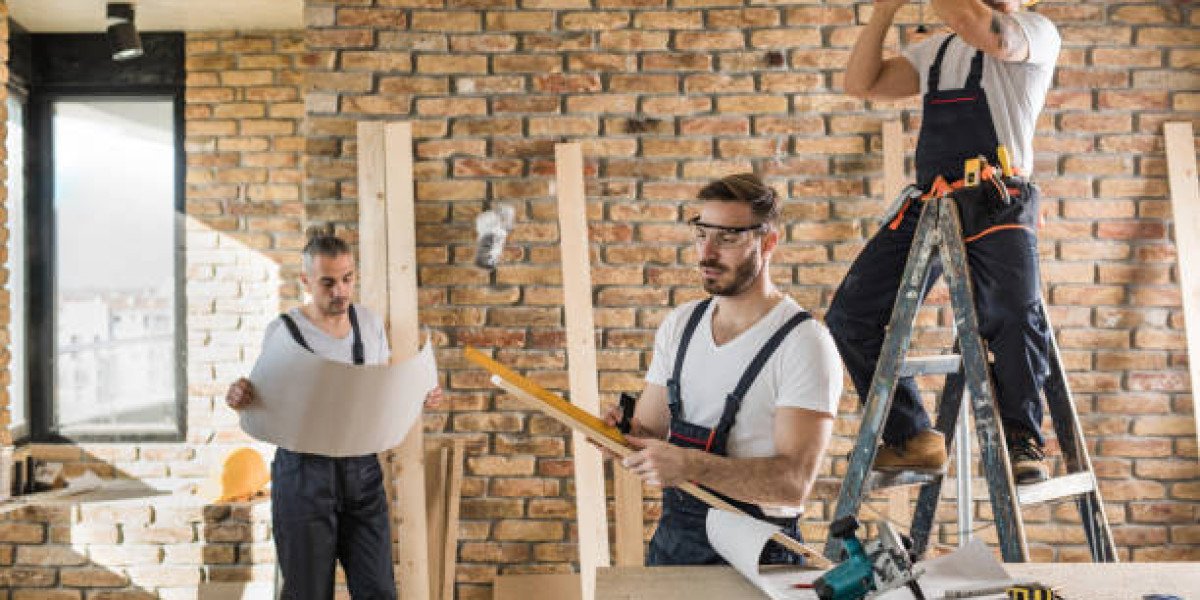
A commercial building is an essential part of modern business infrastructure. These structures are designed specifically for business activities, including offices, retail stores, restaurants, warehouses, hotels, medical facilities, and industrial spaces. Unlike residential buildings that are created mainly for living purposes, commercial buildings focus on supporting business operations, customer experiences, employee productivity, and economic growth.
As businesses continue to expand, the demand for well-designed and functional commercial buildings has increased. A properly planned commercial property can improve efficiency, attract customers, increase property value, and create a professional environment for companies to operate successfully.
What Is a Commercial Building?
A commercial building is any property that is constructed and used for business, professional, or income-generating activities. These buildings are usually larger and more complex than residential properties because they require specialized designs, safety systems, and infrastructure.
Common types of commercial buildings include:
- Office buildings
- Shopping centers and retail stores
- Restaurants and hospitality properties
- Medical centers and clinics
- Schools and educational facilities
- Warehouses and distribution centers
- Hotels and entertainment venues
- Industrial facilities
Each type of commercial building has unique requirements based on its purpose, location, size, and expected number of occupants.
Importance of Commercial Buildings in Business Growth
Commercial buildings play a major role in supporting economic development. A well-built commercial space provides businesses with a professional environment where they can serve customers, manage operations, and grow their brand.
For companies, the right building location and design can influence success. A retail store in a high-traffic area can attract more customers, while a modern office building can improve employee satisfaction and productivity.
Commercial buildings also contribute to local communities by creating jobs, encouraging investment, and improving the appearance of neighborhoods. New commercial developments often lead to better infrastructure, increased property values, and additional business opportunities.
Key Elements of Commercial Building Design
Designing a commercial building requires careful planning and consideration of many factors. Architects, engineers, and contractors work together to create spaces that are safe, practical, and visually appealing.
Functional Layout
The layout of a commercial building should match the needs of the business. Office buildings may require conference rooms, workstations, and employee areas, while retail spaces need open displays and customer-friendly designs.
A smart layout improves workflow, maximizes available space, and creates a better experience for employees and visitors.
Safety and Accessibility
Safety is one of the most important aspects of commercial building construction. These structures must follow building codes and regulations related to fire protection, electrical systems, emergency exits, and structural stability.
Accessibility is also essential. Commercial buildings should include features such as ramps, elevators, accessible restrooms, and clear pathways to ensure everyone can use the facility comfortably.
Energy Efficiency
Modern commercial buildings increasingly focus on sustainability and energy savings. Energy-efficient lighting, smart heating and cooling systems, solar panels, and environmentally friendly materials can reduce operating costs and minimize environmental impact.
Green building practices help companies lower expenses while supporting environmental responsibility.
Technology Integration
Technology has become a major part of commercial building design. Modern buildings often include advanced security systems, automated lighting, high-speed internet infrastructure, smart climate controls, and digital management systems.
Technology improves efficiency, enhances security, and creates a more comfortable environment for employees and customers.
The Commercial Building Construction Process
Building a commercial property involves several stages, from planning to completion. Each step requires professional expertise to ensure the project meets quality and safety standards.
1. Planning and Design
The first stage involves understanding the purpose of the building, selecting a location, creating a budget, and developing architectural plans.
During this phase, owners work with architects and engineers to determine the best design, materials, and construction approach.
2. Permits and Approvals
Before construction begins, commercial projects must receive approval from local authorities. This includes obtaining building permits, zoning approvals, and meeting safety regulations.
Proper documentation helps prevent legal issues and construction delays.
3. Site Preparation
Once approvals are complete, the construction site is prepared. This may involve clearing land, leveling the ground, preparing foundations, and installing necessary utilities.
A strong foundation is essential for creating a durable and long-lasting commercial building.
4. Construction Phase
The construction phase includes building the structure, installing electrical and plumbing systems, adding interior finishes, and completing exterior features.
Contractors coordinate multiple teams, including builders, electricians, plumbers, and specialists, to complete the project efficiently.
5. Inspection and Final Completion
Before opening, the building undergoes inspections to ensure it meets safety standards and construction requirements.
After approval, businesses can move into the space and begin operations.
Benefits of Investing in a Commercial Building
Owning or developing a commercial building offers several advantages for investors and business owners.
Long-Term Investment Value
Commercial properties often provide strong investment opportunities. A well-maintained building can increase in value over time and generate rental income.
Business Flexibility
A commercial building gives businesses control over their workspace. Owners can customize the environment according to their brand, operational needs, and customer expectations.
Professional Image
A modern and attractive commercial property helps create a positive impression. Customers and clients often associate a well-designed building with professionalism and reliability.
Revenue Opportunities
Commercial buildings can generate income through leasing different spaces to businesses. Shopping centers, office complexes, and mixed-use developments often provide multiple revenue streams.
Challenges of Commercial Building Projects
Although commercial buildings provide many benefits, construction and ownership also come with challenges.
High Construction Costs
Commercial construction requires significant investment in materials, labor, equipment, and professional services. Proper budgeting and planning are necessary to avoid unexpected expenses.
Complex Regulations
Commercial projects must follow strict building codes, safety rules, and environmental requirements. Failure to meet regulations can cause delays and additional costs.
Maintenance Requirements
Regular maintenance is necessary to keep commercial buildings safe, attractive, and functional. Building owners must manage repairs, inspections, and upgrades over time.
Future Trends in Commercial Buildings
The commercial building industry continues to evolve with new technologies and changing business needs. Some important trends include:
Sustainable Construction
More companies are choosing environmentally friendly designs that reduce energy consumption and waste. Sustainable materials and green building certifications are becoming increasingly popular.
Smart Buildings
Smart technology allows buildings to automatically manage lighting, temperature, security, and energy use. These systems improve efficiency and reduce operating expenses.
Flexible Workspaces
Modern businesses need adaptable spaces that can support different working styles. Commercial buildings are increasingly designed with flexible offices, shared spaces, and multi-purpose areas.
Health-Focused Designs
After increased awareness of workplace health, many commercial buildings now include better ventilation, natural lighting, wellness areas, and improved indoor air quality.
Conclusion
A commercial building is much more than a physical structure; it is a foundation for business success, economic growth, and community development. From office spaces and retail centers to warehouses and healthcare facilities, commercial properties provide essential environments where organizations can operate and grow.
Successful commercial building projects require careful planning, quality construction, modern design, and attention to safety and sustainability. As technology and business needs continue to change, commercial buildings will continue to evolve into smarter, more efficient, and environmentally responsible spaces.
Investing in a well-designed commercial building can provide long-term value while creating opportunities for businesses, employees, customers, and communities.