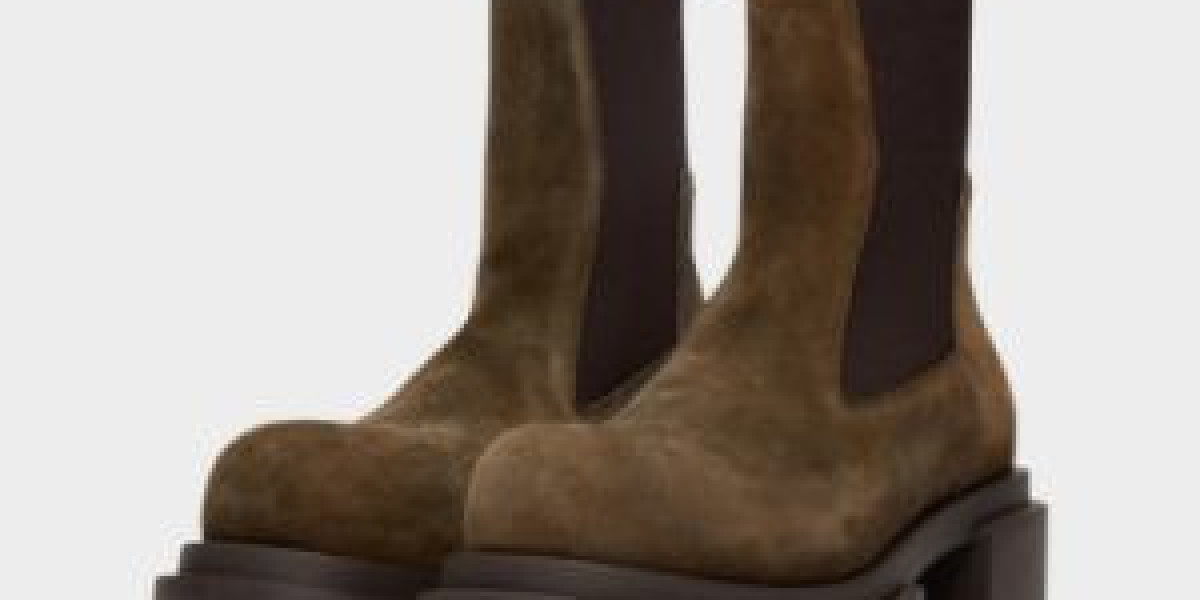

Here’s the short version. Spring/Summer collections tend to feel looser and more glamorous, while Fall/Winter collections lean heavier, darker and more military. The boots change with them, in silhouette, materials and details. Reading the season code on a listing tells you which mood you’re buying into, and what kind of boot to expect. Below I’ll walk through the recent seasons, how they differ, and how to use that when you shop.
Two ideas worth separating
A season is the fashion calendar slot: Spring/Summer (SS) or Fall/Winter (FW), followed by the year. A collection name is the title the rick owens that season, such as Temple or Tower.You’ll see both on listings, and they tell you different things. The season code tells you when the boot was released. The name tells you what the designer was thinking, which hints at the style. Together they give you a quick read on a pair before you even look at the photos.
How the calendar works
Rick Owens shows menswear and womenswear separately, and stores get the pieces later still.Take the recent examples. The Spring/Summer 2026 menswear show, titled Temple, took place on June 26 at the Palais de Tokyo in Paris. The womenswear version arrived in October 2025, according to a Hypebeast report. For Fall/Winter 2026, the womenswear show followed the title and motto of the menswear show, presented in January. Then comes the shop. A Santa Fe retailer says the SS26 Temple delivery was in store, including pieces like the Temple Gown and the Gary Jacket. The lag between runway and shop is real, so don’t expect to buy a boot the day you see it.
Spring/Summer the looser, glossier mood
Spring/Summer collections have recently leaned toward glamour and skin.SS25 was called Hollywood. A Brazilian fashion report notes the Rick Owens Boots adding red-carpet dresses to his productions, with SS25 named Hollywood and the following season featuring sequin-embroidered pieces. The same article says the SS26 menswear brought beach shorts and short, plunging jumpsuits, which is a very different mood from the old all-black armor. Even so, the boots stayed heavy. One report on the SS26 show describes slashed Tuscan leathers, studded straps, voluminous flight jackets and towering platform boots in a monochrome palette. So spring still means platforms. They just sit under lighter clothes.
Fall/Winter: the heavy, military mood
Fall/Winter 2026 went the other direction.Hypebeast describes the Tower collection as a monument at the Palais de Tokyo that mixes a hopeful prayer for the future with exaggerated military details and police boots as a satirical take on modern times. The Behind the Blinds report calls it a “tower of light,” a prayer for love and hope in Owens’ words. The tone is serious, with a hint of parody. For boots, that points to heavier, more utilitarian shapes: combat and police-style boots, thick soles, practical hardware. If you want a boot that looks like armor, look at Fall/Winter.
What changes in the boots themselves
Season to season, the core shapes return, and the details move.In the listings I’ve seen, the variations show up in four places. Silhouette: the height of the shaft, the thickness of the platform, the shape of the toe. Material: leather type, finish, suede or nubuck. Hardware: zippers, buckles, straps, lacing. And color: black, dust, pearl, sometimes a seasonal shade.I can’t give you a precise list for each season, because the details vary by model and I can’t verify every one. What I can say is that two pairs with the same model name from different seasons can feel different underfoot. That’s why checking the season code matters when you compare.
Practical differences: warm versus cold
Weather shapes what makes sense.Heavier, lined or insulated boots belong to cold months. Lighter boots, open shapes and sandals appear in spring and summer lines. Even in a warm season, though, a platform boot is warm to wear, and leather doesn’t breathe like canvas.If you buy for climate, look at the product description for lining and material, not just the season. And if you live somewhere hot, consider a lower or lighter style, because a tall leather boot will feel heavy in July.
Using season codes when you shop
Check the season label first. It’s usually in the listing or the item details, in a form like FW26 or SS26.Then compare like with like. A boot from FW26 won’t match one from SS25 in materials, even if they share a name. Look at the photos, read the description, and check reviews for the exact season if you can.For resale, the season matters even more. Older seasons carry their own following, and condition varies. If you’re buying a pair from a past season, ask the seller for photos of the sole and the lining, and confirm the season code.
My honest take
Don’t buy a boot because of its season name. Buy it because of the silhouette.The names are poetic, but the real differences come down to shape, weight and fit. A Temple-era platform and a Tower-era combat boot are different tools. Pick the one that suits your wardrobe and how much weight you can carry.If you’re unsure, go for a classic shape that returns season after season, like a low army boot or a wedge. It’ll look good whichever collection it came from.
Pick by shape, then check the season
Choose the style first, then check the season code, the material and the return policy. That’s the simplest way to handle seasonal differences when you shop for Rick Owens boots. And if a pair from a past season catches your eye, look at the details before the name.





