
Laser hair removal is a precise medical-aesthetic treatment, and like any precise procedure, its outcome depends heavily on what happens before the session begins. The laser targets pigment in the hair follicle, which means the condition of your skin, your recent habits, and even your sun exposure can influence both safety and effectiveness. Clients considering Laser Hair Removal in Islamabad often ask what they should do ahead of time, and the answer is more detailed than simply showing up with freshly shaved skin. Proper preparation reduces the risk of side effects, improves results, and helps you get the most from every session.
Why Skin Preparation Matters?
Laser devices emit concentrated light that is absorbed by melanin, the pigment found in hair. The heat generated damages the follicle and slows future growth. Because skin also contains melanin, tanned, irritated, or compromised skin can absorb extra energy, which raises the chance of burns, blistering, or pigment changes.Well-prepared skin allows the laser to focus on the follicle rather than the surrounding tissue. This means safer treatment, more comfortable sessions, and more consistent hair reduction over time.
Schedule a Consultation and Patch Test First
Before any treatment begins, a qualified practitioner should assess your skin type, hair color, hair thickness, medical history, and the area to be treated. Skin tone and hair color matter because laser works best when there is a clear contrast between the two, and different devices suit different skin types. patch test is often recommended, in which a small area is treated to observe how your skin reacts over the following days. This simple step helps the practitioner select safe settings and spot any sensitivity early. Be completely honest about medications, skin conditions, and recent cosmetic treatments during this visit.
Avoid Sun Exposure and Tanning
Sun protection is perhaps the most important preparation rule. Tanned skin contains more active pigment, which makes it harder for the laser to distinguish hair from skin. Treating tanned skin increases the risk of burns and uneven pigmentation.Most clinics advise avoiding direct sun, tanning beds, and self-tanning products for at least two to four weeks before treatment. Use a broad-spectrum sunscreen with high protection daily on the area to be treated, and wear protective clothing where possible. Recent tanning may require postponing your session, which is far better than risking skin damage.
Shave, but Do Not Wax or Pluck
Shaving the treatment area the day before, or on the day of the appointment as directed, is usually required. A shaved surface keeps the hair shaft short so that laser energy travels down to the follicle instead of burning hair above the skin, which can cause discomfort and surface irritation. Use a clean, sharp razor and avoid cutting or scraping the skin.Waxing, threading, epilation, and plucking must be avoided for at least four to six weeks before treatment. These methods remove the hair along with the root, and since the laser needs the root present to work, removing it makes the session ineffective. Shaving and trimming are the only safe options between sessions.
Keep Your Skin Clean and Free of Products
On the day of treatment, arrive with clean, dry skin. Avoid applying lotions, oils, perfumes, deodorants, or makeup on the area, because residue can interfere with the laser and increase irritation. If you are treating the face, remove all makeup and skincare products beforehand. Underarm clients should skip deodorant until after the session, and anyone treating the bikini line should follow hygiene guidance from the clinic.
Pause Certain Skincare Ingredients and Treatments
Active skincare ingredients can make skin more sensitive to light. Retinoids, retinol, glycolic acid, salicylic acid, benzoyl peroxide, and strong exfoliating products may thin or irritate the skin barrier. Many practitioners recommend stopping these products on the treatment area for several days to a week before your appointment, though the exact timing depends on the product and your clinic’s protocol.Chemical peels, microdermabrasion, microneedling, and other resurfacing treatments should also be avoided for a couple of weeks beforehand. Treating skin that is still recovering can lead to excessive irritation and slower healing.
Review Medications and Supplements
Some medications make the skin photosensitive, meaning it reacts more strongly to light. Certain antibiotics, acne medications such as isotretinoin, and some herbal supplements, including St John’s wort, can increase this sensitivity. Isotretinoin in particular usually requires a waiting period before laser treatment, as determined by your doctor.Never stop prescribed medication on your own. Instead, share a full list of medicines and supplements with your practitioner, who can advise on timing or coordinate with your physician.
Treat Skin Conditions Before Starting
Active acne, eczema, rashes, infections, cold sores, open wounds, and sunburn should be settled before laser treatment. Treating irritated or inflamed skin increases discomfort and the risk of complications. People prone to cold sores who are treating the upper lip area may be given preventive medication in advance.If you have a history of keloid scarring, pigmentation disorders, or autoimmune skin conditions, make sure your practitioner knows, since these may call for special precautions or a modified approach.
Hydrate and Support Your Skin Barrier
Healthy, hydrated skin tolerates treatment better and recovers faster. Drink enough water in the days leading up to your session, and use a gentle, fragrance-free moisturizer on non-treatment days. Avoid harsh scrubs, hot baths, and aggressive exfoliation close to your appointment.A strong skin barrier reduces dryness, redness, and sensitivity afterward. Simple, consistent care is more effective than complicated routines.
What to Do on the Day of Your Appointment?
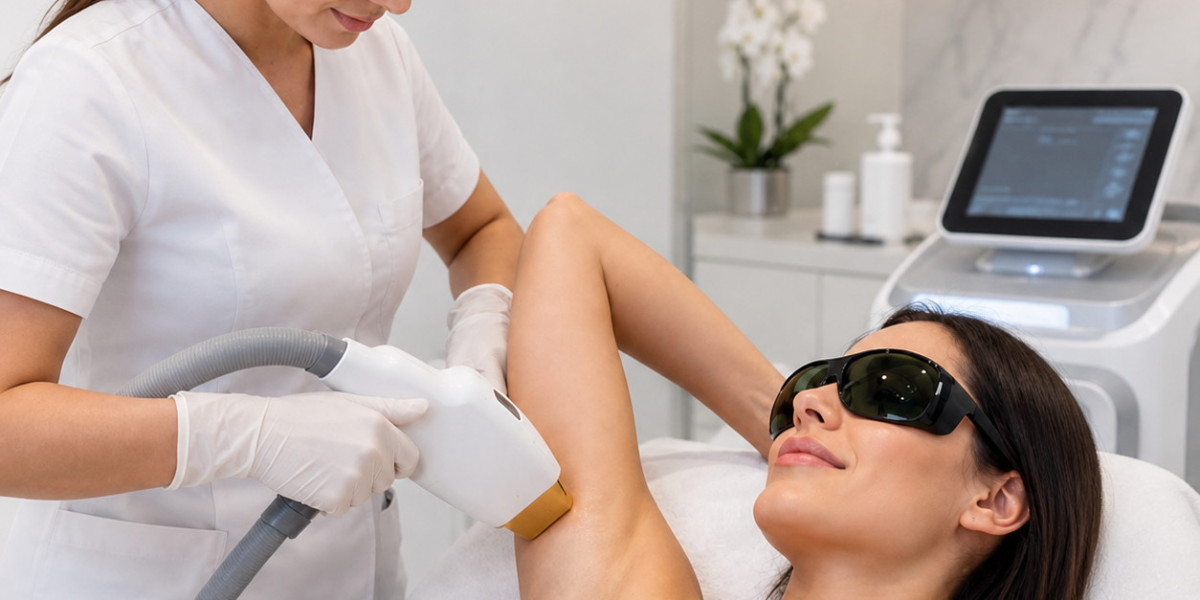
Wear loose, comfortable clothing that does not rub the treated area. Arrive on time, and avoid caffeine or heavy exercise right beforehand if you tend to feel sensitive, since heat and increased circulation can make skin more reactive. Confirm that the area is shaved properly and free of products.During the session, you will wear protective eyewear, and the practitioner may use cooling methods or a gel to improve comfort. Most people describe the sensation as a quick snap or warm pinch, which is usually manageable.
Aftercare That Protects Your Preparation
Preparation continues after the session. Expect mild redness and a slight swelling around follicles, which typically settles within hours to a couple of days. Apply cool compresses and a soothing, fragrance-free moisturizer if advised. Avoid sun exposure, hot showers, saunas, strenuous exercise, and scratching for the first day or two, and keep using sunscreen consistently.Hair does not fall out immediately. Treated hairs often shed over one to three weeks, which can look like new growth but is actually the hair being pushed out.
Setting Realistic Expectations
Laser hair removal reduces hair growth significantly, but it is rarely a one-visit solution. Hair grows in cycles, and the laser works best on hairs in the active growth phase, so multiple sessions spaced several weeks apart are required. Many people see substantial reduction over a series of treatments, followed by occasional maintenance. Hormonal conditions can influence regrowth, so results vary from person to person.
Choosing a Qualified Clinic
Select a clinic with trained professionals, modern and well-maintained devices, hygienic facilities, and a thorough consultation process. Be cautious of providers who skip skin assessment, promise permanent removal for every skin type, or offer unusually low prices without explaining the technology used. A professional clinic prioritizes safety and honest guidance over quick sales.
Conclusion
Preparing your skin for laser hair removal is a simple but essential investment in safe and effective results. Avoid sun exposure and tanning, shave rather than wax or pluck, keep the skin clean and product-free, pause irritating skincare ingredients, and share your medical history and medications openly. Treat any active skin problems first, keep your skin hydrated, and follow aftercare instructions carefully. With thoughtful preparation, realistic expectations, and a qualified practitioner, you can enjoy a smoother, more comfortable treatment experience and long-lasting reduction in unwanted hair.
Read More:
https://doc.clickup.com/90182593634/d/h/2kzmub32-1018/0e7b1bdee701a76