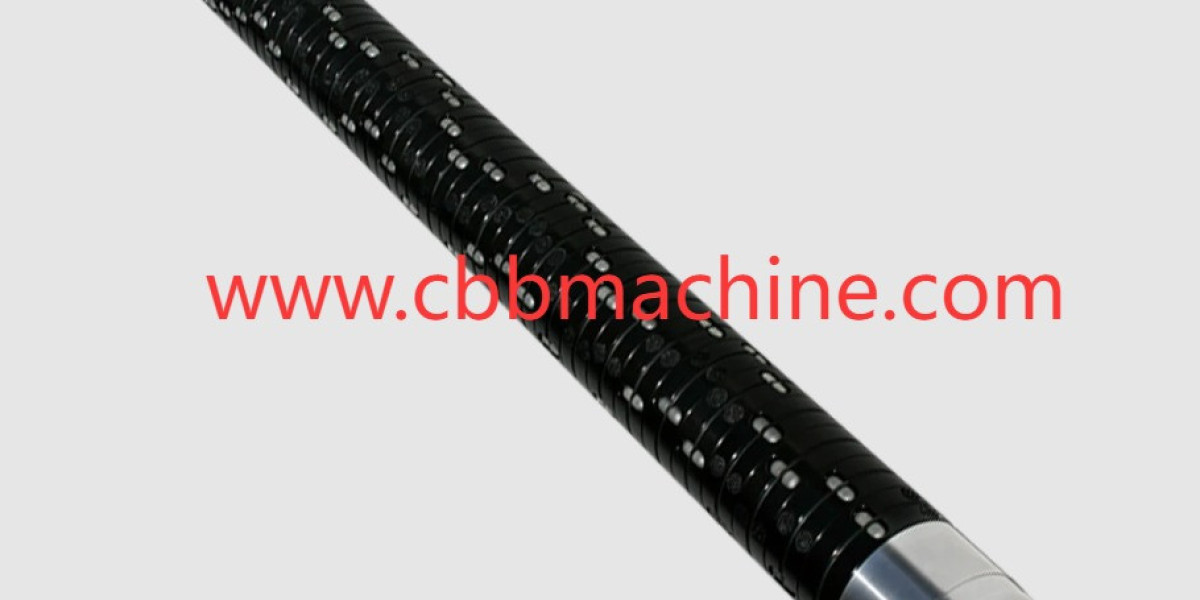

In converting and rewinding industries, handling multiple narrow material rolls requires careful coordination between winding positions. A Differential Air Shaft combines pneumatic expansion with independent torque adjustment, while Cbbmachine provides industrial components intended to address practical winding and material handling requirements. Its functional design helps manufacturers manage differences in roll tension and accommodate variations that occur during continuous production.
When a wide parent roll passes through a slitting machine, it is divided into narrower strips that must be collected separately. Although these strips may originate from the same material, their thickness, elasticity, and winding resistance can vary. Applying identical tension to every roll may result in uneven winding, loose edges, wrinkles, or differences in finished roll quality.
The differential structure addresses these challenges by allowing individual winding positions to respond to their own resistance conditions. Friction-based components inside the assembly regulate torque transmission between the shaft and the winding cores. This arrangement gives each roll greater freedom to accommodate variations during the winding process, helping maintain a more organized material collection operation.
The pneumatic expansion function provides another practical advantage. Compressed air activates the expanding elements, allowing the shaft to grip the inner surface of compatible winding cores. This connection helps secure the cores during rotation. When the production task is complete, releasing the air pressure allows the expanding mechanism to retract, making finished rolls easier to remove.
This combination of pneumatic gripping and differential torque control makes the equipment suitable for various converting applications. Flexible packaging manufacturers can use it when processing plastic films, laminated materials, and other web products. Paper converting facilities may also incorporate this mechanism into slitting and rewinding equipment where individual rolls require different winding conditions.
The printing industry presents another relevant application. Printed webs often move through several processing stages before reaching the final winding section. Maintaining suitable tension during rewinding helps protect the material from unnecessary stretching, surface wrinkles, and alignment problems. An adjustable winding arrangement can support better coordination between the printing and finishing processes.
Selecting an appropriate configuration requires attention to the characteristics of the production line. Buyers should consider core dimensions, material width, shaft structure, required torque adjustment, pneumatic connections, and installation arrangements. The friction mechanism should also match the intended application to provide suitable resistance during winding.
Operating conditions deserve equal consideration. Material properties, production speed, environmental conditions, and maintenance practices can all influence equipment performance. Manufacturers should communicate their application details clearly when discussing product specifications with a supplier. This makes it easier to evaluate compatibility and identify a configuration that fits the machinery.
Routine servicing also contributes to stable operation. Operators should inspect the expanding elements, friction components, air connections, and mechanical interfaces. Keeping the working surfaces clean and checking for unusual wear can help prevent avoidable interruptions. Following the supplier's maintenance recommendations supports consistent equipment management.
For manufacturers seeking greater flexibility in multi-roll processing, the combination of pneumatic core gripping and independent torque adjustment offers a practical mechanical approach. It addresses the different needs of individual winding positions while supporting integration into established converting systems.
Every roll has its own winding behavior, and every production line deserves equipment selected with that difference in mind. Visit https://www.cbbmachine.com/product/ to browse the available industrial winding components and examine their application possibilities. Your next equipment improvement may begin with a closer look at the right shaft configuration.