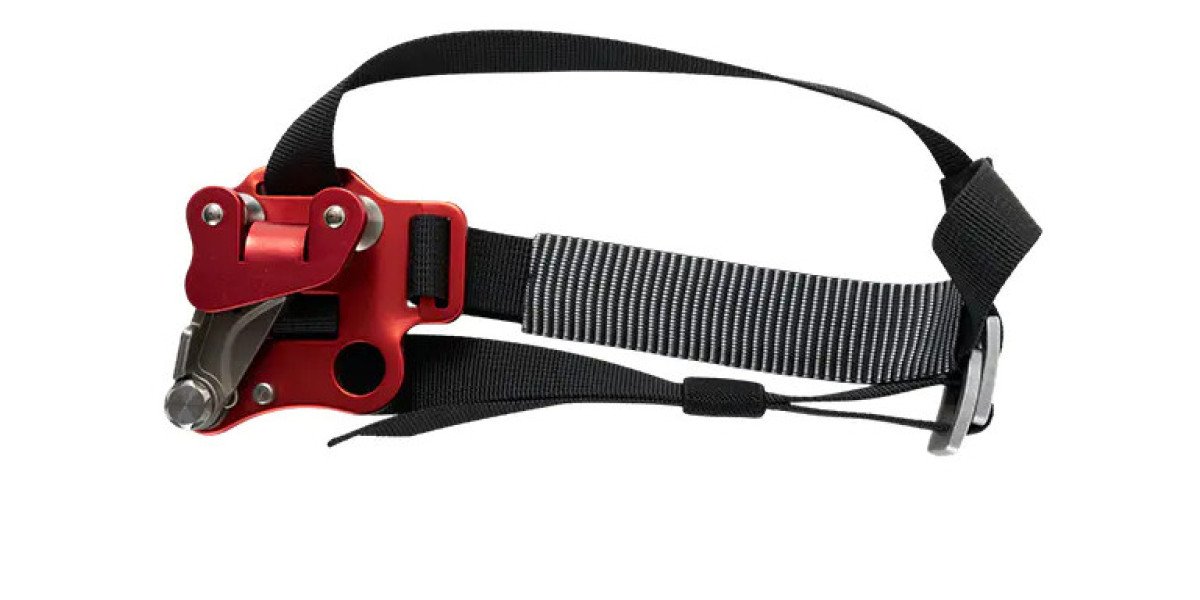

Vertical rope work demands more than just strong arms and determination. Efficient, safe upward progress on a fixed rope requires a system — and at the heart of any well-designed ascending system sits the chest ascender. This specialized mechanical device grips the rope firmly in one direction, allows free movement upward, and locks solidly against downward pull, giving climbers a hands-free attachment point that fundamentally changes how efficiently a person can move up a rope.
A chest ascender mounts centrally on the climber's torso, typically secured to a chest harness or a dedicated chest loop on a sit harness. This positioning keeps the rope running vertically in front of the body rather than pulling awkwardly to one side. When combined with a handled ascender on the rope above and foot loops attached to the lower device, the chest ascender completes a three-point ascending system that converts full-body movement into smooth, rhythmic upward progress. Each stand-up motion on the foot loops drives the upper hand ascender higher, and each sit-down recovery loads the chest ascender, which holds position without requiring any grip effort from the climber.
The mechanical cam inside a chest ascender is what makes this elegant motion possible. Manufactured from aluminum alloy or stainless steel depending on the application, the toothed cam rotates against a fixed frame under downward rope tension, gripping the rope's sheath firmly. Release the tension — or push the rope upward — and the cam opens freely, allowing the device to slide up the rope without resistance. Rope diameter compatibility matters significantly here. Most chest ascender models specify an acceptable rope diameter range, typically between 8mm and 13mm. Using a rope outside this range compromises the cam's grip geometry and reduces the device's load-bearing reliability.
Proper harness integration separates a functional chest ascender setup from a genuinely safe one. Mounting the chest ascender too low on the torso positions the rope away from the body's centerline, creating rotation forces that tire the climber and reduce efficiency. Mounting it too high restricts breathing and causes discomfort during extended vertical sections. Positioning the attachment point at mid-sternum level, adjusted so the rope runs parallel to the spine, represents the setup that most experienced rope technicians recommend for sustained vertical work.