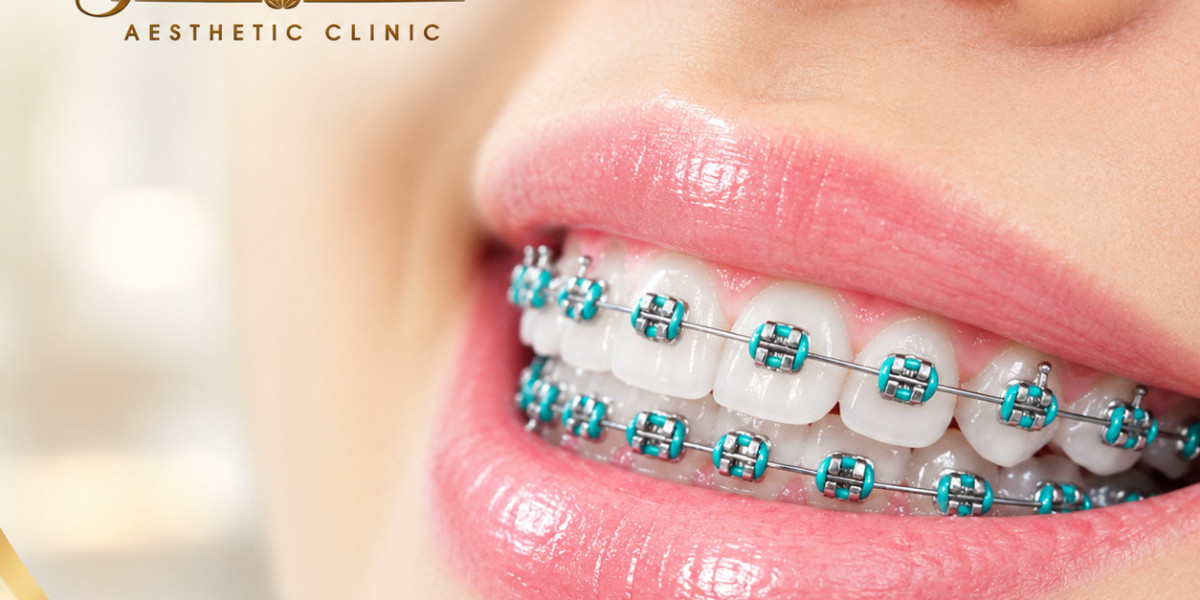

Getting dental braces is an important step toward achieving a healthier bite and a more confident smile. If you have crooked teeth, gaps, crowding, or problems with the way your upper and lower teeth meet, orthodontic treatment may help correct these concerns. However, if you have never visited an orthodontist before, you may feel uncertain about what happens during your first appointment.Your first dental braces appointment is usually focused on understanding your dental needs, examining your teeth, and discussing suitable treatment options. It helps your orthodontist determine whether braces are appropriate and develop a plan based on your oral health and smile goals.For patients considering Dental Braces in Islamabad, knowing what to expect during the initial consultation can make the experience less stressful and help you prepare for the treatment process.In this guide, we explain each stage of your first braces appointment, who may benefit from orthodontic treatment, the potential advantages and limitations, and how to prepare for your visit.
What Happens During Your First Dental Braces Appointment?
Your first orthodontic appointment usually involves several steps. The exact process varies depending on the clinic, your dental condition, and whether you have already had an orthodontic assessment.
Discussing Your Dental Concerns and Smile Goals
The appointment often begins with a conversation about what you would like to improve. our orthodontist may ask whether you are concerned about crooked teeth, gaps, crowding, or your bite. You may also be asked about previous dental treatments, current discomfort, and any difficulties with chewing.This discussion helps the specialist understand your expectations and identify the concerns that matter most to you.It is a good opportunity to explain what you hope to achieve and ask questions about the treatment process.
Examining Your Teeth and Gums
Next, the orthodontist examines your teeth, gums, and bite.This assessment helps identify problems that could affect the safety or success of orthodontic treatment.If you have untreated cavities, gum disease, or another oral health concern, the orthodontist may recommend addressing it before fitting braces.
Taking Dental X-Rays and Other Records
Your orthodontist may recommend dental X-rays, photographs, or digital scans to understand your tooth positions and jaw structure more accurately.These records can help reveal information that is not visible during a routine examination, such as the position of unerupted teeth or the relationship between tooth roots and surrounding structures.Depending on your case, the clinic may also take photographs of your face and teeth to document your starting point and help plan treatment.Not every patient needs the same set of records. Your orthodontist will recommend appropriate diagnostic tests based on your individual needs.
Evaluating Your Bite and Jaw Alignment
The orthodontist examines how your teeth fit together when you close your mouth.Bite problems can affect chewing, tooth wear, and the distribution of pressure across the teeth. In some cases, the position of the jaws also influences the treatment plan.The specialist may assess whether your problem is primarily related to tooth position or whether jaw growth and alignment also need consideration.This distinction is important because some orthodontic concerns can be corrected with braces alone, while others may require additional appliances or, in selected cases, jaw surgery.
Discussing Suitable Types of Braces
After evaluating your teeth, the orthodontist may explain which treatment options could suit your case.Each option has advantages and limitations. Your orthodontist can explain differences in appearance, maintenance, comfort, treatment complexity, and expected duration.The most discreet option is not necessarily the most appropriate for every patient. The priority is selecting a treatment that can achieve the desired results safely and predictably.
Receiving a Personalised Treatment Plan
Once the examination and necessary records are complete, your orthodontist can outline a proposed treatment plan. reatment duration varies considerably. Many patients wear braces for approximately 12–24 months, although some cases take less time and others require longer.Your orthodontist may need additional records or a separate planning appointment before confirming the final treatment plan.
Discussing Whether Braces Can Be Fitted That Day
Some patients may be able to have their braces fitted on the same day as their consultation, depending on the clinic's arrangements and the complexity of the case.However, the first visit is often an assessment rather than a fitting appointment.Before braces are placed, your orthodontist must confirm that your teeth and gums are sufficiently healthy and that the treatment plan is appropriate. Additional records, dental cleaning, fillings, or other preparatory care may be necessary.If braces are fitted at a later appointment, the clinic will explain what to expect and how to prepare.
Does Getting Braces Hurt During the First Appointment?
The initial consultation is generally painless. Examining your teeth, discussing your concerns, and taking photographs or digital scans should not usually cause significant discomfort.Dental X-rays are also generally painless, although positioning the equipment inside the mouth may feel slightly uncomfortable for some people.If braces are fitted during the appointment, the process of attaching brackets and placing the orthodontic wire is generally not painful. However, your teeth may feel sore or tender afterward as they begin responding to the applied pressure.This discomfort often starts within the first day and improves over several days. Your orthodontist can recommend appropriate ways to manage it.
How Should You Prepare for Your First Braces Appointment?
A little preparation can help you feel more comfortable and make your consultation productive.
Brush Your Teeth Before the Visit
Clean your teeth thoroughly before your appointment. Good oral hygiene helps the orthodontist examine your teeth and gums clearly.
Make a List of Your Questions
Write down anything you want to know about treatment, including the expected duration, cost, available braces, and maintenance requirements.
Share Your Dental History
Tell your orthodontist about previous dental procedures, ongoing dental problems, and any concerns about tooth sensitivity or gum health.
Ask About Costs and Follow-Up Visits
Orthodontic treatment usually involves multiple appointments. Ask whether the quoted cost includes fitting, routine adjustments, emergency visits, and retainers after treatment.
Allow Enough Time
Your first appointment may take longer than a routine dental check-up, especially if X-rays, photographs, or digital scans are required.Confirm the expected appointment length with the clinic beforehand.
Who Is a Suitable Candidate for Dental Braces?
Braces can be suitable for teenagers and adults who have teeth or bite problems that can benefit from orthodontic correction.You may be a candidate if you haveAge alone does not determine whether braces are suitable. However, the health of your teeth and gums, the condition of your supporting bone, and the complexity of your bite all influence treatment decisions.Patients with active gum disease or untreated cavities may need treatment for these conditions before beginning orthodontic care.A professional assessment is the best way to determine whether braces are appropriate for your situation.
Benefits of Dental Braces
Orthodontic treatment can provide several benefits when it is planned and managed appropriately.
Improved Tooth Alignment
Braces gradually move teeth into better positions, helping correct crowding, overlapping, and selected spacing problems.
Better Bite Function
Correcting certain bite problems may improve the way your teeth meet during chewing and reduce uneven pressure on individual teeth.
Easier Oral Hygiene
Straightening crowded teeth may make some areas easier to brush and floss, although maintaining good hygiene remains essential throughout treatment.
Improved Smile Appearance
Many patients feel more confident when their teeth are better aligned. The extent of cosmetic improvement depends on the original problem and the treatment results.
Long-Term Dental Benefits
When treatment is successful and followed by appropriate retention, the results can be maintained for many years. However, teeth can shift after braces, so wearing retainers as instructed is important.
Limitations and Possible Risks of Dental Braces
Although braces are effective for many orthodontic problems, they have limitations and require commitment from the patient.Possible challenges include:Your orthodontist will discuss the risks relevant to your case and explain how to reduce them through proper care and regular follow-up visits.
What Happens After Your First Dental Braces Appointment?
After your initial consultation, the next steps depend on your examination results and treatment plan.If additional records are needed, the clinic may arrange another appointment. If you need fillings, gum treatment, or professional cleaning, these may be completed before braces are fitted.Once your orthodontist confirms that treatment can begin, you will receive instructions about the fitting appointment and ongoing care.After braces are placed, regular adjustment visits allow the orthodontist to monitor tooth movement and make necessary changes. The timing of these appointments varies according to the appliance and treatment plan.When braces are removed, you will generally need retainers to help keep your teeth in their corrected positions.
Dental Braces in Islamabad: What Should You Expect?
If you are exploring orthodontic treatment in Islamabad, choose a qualified dental professional who can assess your individual needs and explain your options clearly.During your consultation, ask about the orthodontist's experience, the recommended type of braces, the estimated treatment duration, and the total cost. It is also helpful to understand how emergencies, broken brackets, and follow-up appointments are managed.At Glam Smile Clinic, patients can discuss their smile concerns and explore appropriate dental treatment options with the clinic's dental team. A personalised assessment can help establish whether braces are suitable and what steps may be required before treatment begins.The best treatment plan is one that considers both appearance and function while prioritising the long-term health of your teeth and gums.
Frequently Asked Questions
How long does the first dental braces appointment take?
The initial consultation may take approximately 30–60 minutes, although more complex assessments can take longer. The duration depends on whether the appointment includes X-rays, photographs, digital scans, or a detailed treatment discussion.
Will I get braces on my first appointment?
Not always. The first appointment is commonly used to examine your teeth, assess your bite, and discuss treatment options. Braces may be fitted on the same day in selected cases, but additional records or dental treatment may be needed first.
Do I need an X-ray before getting braces?
Your orthodontist may recommend X-rays to assess tooth roots, jaw structure, and the position of teeth that cannot be fully evaluated during a visual examination. The type and number of X-rays depend on your individual needs.
Can adults get dental braces?
Yes. Adults can receive orthodontic treatment if their teeth and supporting tissues are healthy enough for tooth movement. Treatment options and duration depend on the severity of the alignment problem, gum health, and other individual factors.
How much do dental braces cost in Islamabad?
The cost depends on the type of braces, the complexity of your case, the expected treatment duration, and the services included in the treatment package. A dental consultation is the best way to receive an estimate tailored to your needs.
Conclusion
Your first dental braces appointment is an opportunity to understand your orthodontic needs, discuss treatment options, and learn what achieving a healthier, straighter smile may involve. The visit generally includes a dental examination, an assessment of your bite, and a discussion of the recommended treatment plan.Preparing questions and sharing your dental history can help you get more from the consultation. With an appropriate treatment plan, good oral hygiene, and regular orthodontic visits, braces can improve tooth alignment and help address certain bite problems.