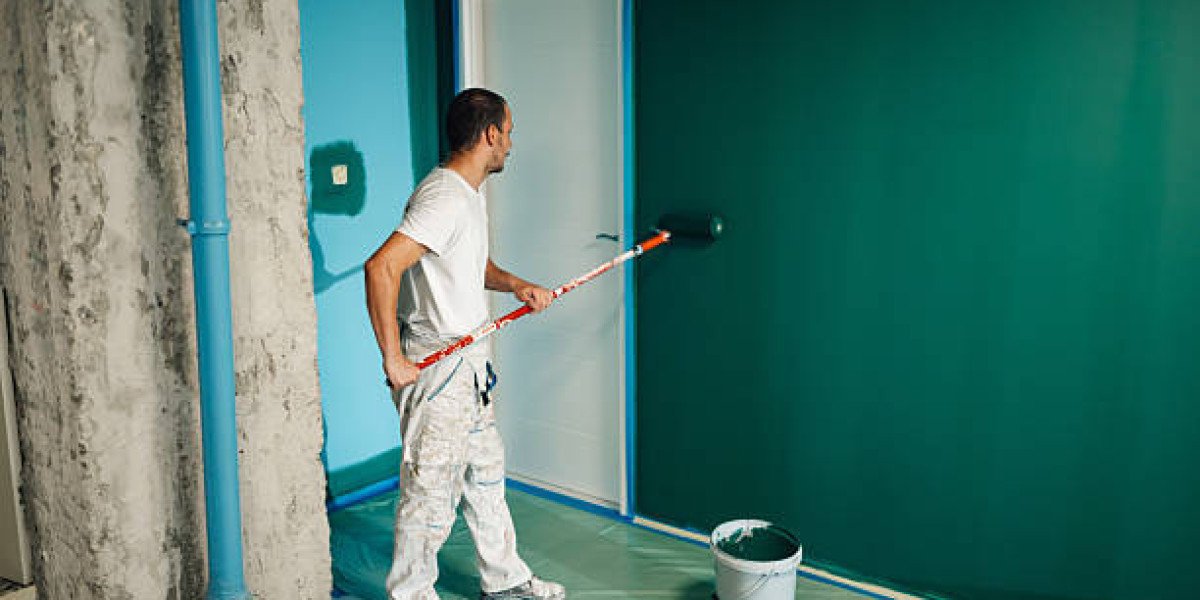

Interior house painting in 2026 typically ranges from $2 to $6 per square foot, covering walls, ceilings, and standard labor. Most homeowners spend between $2,000 and $6,000, depending on home size, paint quality, and preparation needs. Labor continues to dominate total costs, often accounting for nearly 70% due to skilled application and surface preparation requirements.
Accurate pricing depends on wall condition, ceiling height, and the level of detail involved in the project.
Understanding the breakdown of costs helps homeowners avoid unexpected expenses and plan more effectively.
Many property owners researching interior house painting cost per square foot 2026 are looking for clear, realistic pricing that reflects both materials and labor.
Key Takeaways
Interior painting costs average $2–$6 per sq ft in 2026
Labor is the largest portion of total expense
Ceiling painting often costs slightly more than walls
Surface preparation significantly affects final pricing
Larger projects reduce per-square-foot costs
Interior painting is not just about aesthetics—it directly impacts durability and home value. Proper preparation, priming, and finishing ensure long-lasting results, which is why professional services often deliver better value over time.
Experienced contractors emphasize that each project is unique. Factors like drywall condition, previous paint layers, and moisture exposure all influence the final estimate. This is why detailed inspections are essential before starting any work.
Cost Breakdown: Walls, Ceilings & Labor
Understanding how costs are distributed across different surfaces helps homeowners make informed decisions. Each component requires a different level of effort and materials.
Average Cost Distribution
Walls: $1.50 to $4 per sq ft, depending on finish
Ceilings: $2 to $5 per sq ft due to complexity
Trim and details: an additional $1 to $3 per sq ft equivalent
Labor: typically 60%–70% of total cost
Materials: paint, primer, and supplies make up the remainder
Walls generally cost less because they are easier to access and paint. Ceilings, however, require more effort due to overhead work, which increases labor time and fatigue.
Cost to Paint Ceiling Per Square Foot
Ceiling painting requires specialized techniques, making it slightly more expensive than wall painting. The cost to paint the ceiling per square foot usually falls between $2 and $5, depending on height and texture.
Textured ceilings or those with stains require additional preparation, such as sanding or stain-blocking primer. High ceilings also increase labor time, especially when scaffolding or ladders are needed.
In many homes, ceiling painting adds 15%–25% to the total project cost. However, skipping ceiling painting may result in uneven visual results, especially when walls are freshly painted.
Interior Painting Labor Cost Per Square Foot
Labor plays a crucial role in determining total cost. The interior painting labor cost per square foot typically ranges from $1.50 to $4, depending on complexity and experience level.
Labor costs have increased by approximately 10% in 2026 due to higher demand for skilled painters and rising operational expenses. This trend reflects a growing preference for professional services over DIY projects.
What Labor Costs Include
Surface preparation (patching, sanding, priming)
Furniture protection and masking
Paint application and finishing
Cleanup and waste removal
Minor repairs and touch-ups
Professional labor ensures even coverage, proper drying, and long-lasting results. Poor application can lead to peeling, uneven textures, and additional repainting costs.
Regional Pricing and Market Trends
Pricing varies significantly depending on location and demand. Urban areas typically have higher labor rates, while smaller towns may offer more competitive pricing.
Search trends indicate a 35% increase in queries like home painters near me and interior painting companies near me, highlighting growing demand for local professionals. This demand can influence pricing, especially during peak seasons.
Material costs have also risen by 8%–12% in the past year, impacting overall project budgets. Homeowners should factor in these increases when planning painting projects.
Key Factors That Influence Total Cost
Several variables determine the final cost of interior painting projects. These factors go beyond simple square footage calculations.
Primary Cost Influencers
Wall condition and required repairs
Number of coats needed for coverage
Type and quality of paint used
Ceiling height and accessibility
Custom finishes or accent walls
Homes with damaged walls or darker existing colors may require additional coats, increasing both labor and material costs. Similarly, high ceilings or intricate designs add complexity to the project.
Choosing the Right Painting Contractor
Selecting the right contractor ensures both quality and value. Homeowners should evaluate experience, materials, and transparency before making a decision.
Lower quotes may exclude essential services like priming or detailed preparation. On the other hand, professional estimates typically include a full breakdown of labor, materials, and timeline.
In the middle of this process, Supreme Painters & Remodelers stands out by focusing on precision, detailed preparation, and long-lasting finishes tailored to each project.
Cost-Saving Tips Without Sacrificing Quality
Homeowners can reduce costs while maintaining quality by making strategic decisions during planning.
Practical Ways to Save
Schedule projects during off-peak seasons
Combine multiple rooms into one project
Choose mid-range paint for durability and cost balance
Complete minor prep work independently
Avoid unnecessary custom finishes
Combining rooms into a single project can significantly reduce labor costs per square foot. Additionally, choosing neutral colors often requires fewer coats, saving both time and money.
Another useful tip is to request multiple quotes and compare detailed estimates rather than selecting the lowest price.
Common Questions About Interior Painting Costs
Many homeowners want clarity on pricing and timelines before starting a project. Addressing these concerns helps ensure better planning.
How much does it cost to paint a 2,000 sq ft home?
A 2,000 sq ft home typically costs between $4,000 and $12,000 depending on paint quality, labor, and preparation needs. Homes with high ceilings or extensive trim work may cost more.
Is ceiling painting necessary?
While not always required, painting ceilings improves overall appearance and ensures consistency with freshly painted walls. It is especially important in older homes with discoloration.
Why do painting costs vary so much?
Costs vary due to differences in labor rates, material quality, and project complexity. Each home requires a unique assessment for accurate pricing.
Frequently Asked Questions
What is the average interior painting cost per square foot in 2026?
The average cost ranges from $2 to $6 per square foot, depending on labor, materials, and project complexity.
How much does labor cost for interior painting?
Labor typically costs between $1.50 and $4 per square foot, depending on the level of detail and experience of the painters.
Does painting ceilings increase overall cost significantly?
Yes, ceiling painting can increase total project costs by 15%–25% due to additional labor and preparation.
How long does an interior painting project take?
Most projects take 2 to 5 days depending on home size and preparation requirements.
Can homeowners reduce painting costs?
Yes, they can save money by combining projects, choosing standard finishes, and scheduling work during off-peak times.
Conclusion
Interior house painting costs in 2026 depend on multiple factors, including labor, materials, and surface conditions. While average rates provide a useful starting point, detailed estimates offer a clearer understanding of total expenses. Homeowners who plan carefully and choose experienced professionals can achieve durable, high-quality results while staying within budget.
Get Professional Interior Painting Services Today
Homeowners planning to refresh their interiors can benefit from expert painting services that combine quality materials with skilled workmanship. Whether updating walls, ceilings, or complete interiors, professional painters ensure smooth finishes and long-lasting results. Contact a trusted team today to receive a personalized estimate, explore cost-effective options, and transform your living space with precision, efficiency, and attention to detail tailored to your needs.