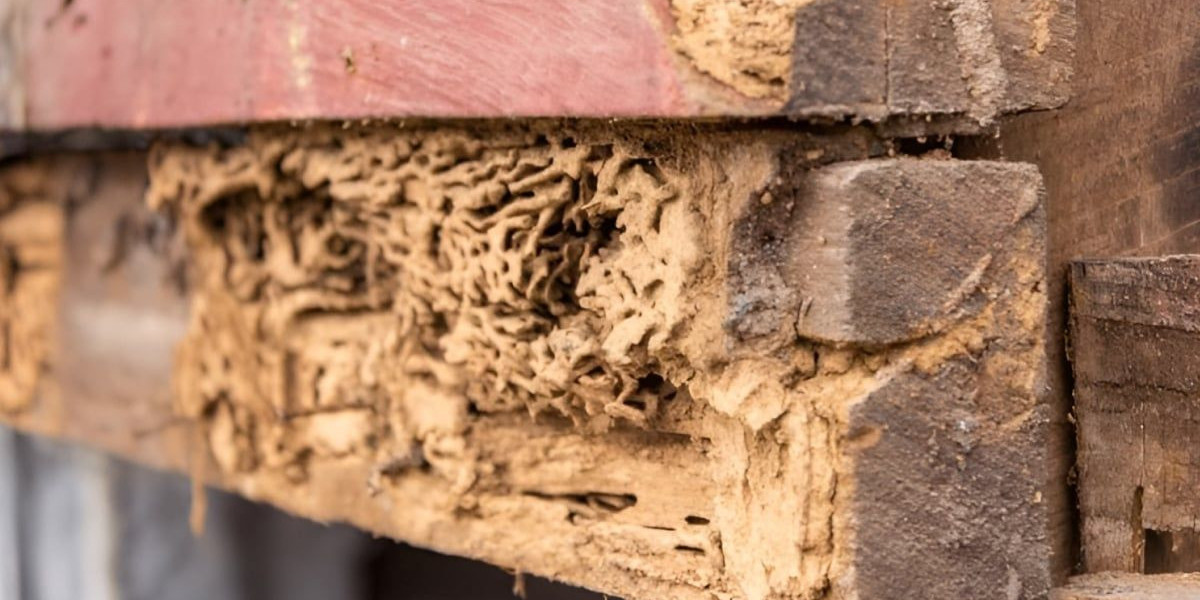

Wood is an important part of residential construction. It is used in roof framing, floor systems, wall structures, door frames, window frames, and many other building components. Unfortunately, wooden materials can become vulnerable to termite activity, particularly when moisture and other favorable conditions are present.
Termites feed on cellulose found in wood and other plant-based materials. As they consume these materials, they can weaken structural components and create damage that may remain hidden for extended periods.
Identifying termite-related wood damage early is essential. However, repairing the visible damage without addressing the underlying infestation can lead to recurring problems.
Understanding How Termites Damage Wood
Termites generally feed on the internal portions of wooden materials, although the pattern of damage varies depending on the species.
Subterranean termites commonly create galleries inside wood while maintaining access to soil moisture through mud tubes or other protected routes.
Drywood termites live within the wooden material they consume and do not require regular contact with soil.
Both types can damage residential structures, but their signs and treatment requirements are different.
A professional assessment helps determine which termite species is involved and how extensively the wood has been affected.
1. Look for Hollow or Weak Wooden Surfaces
One of the first signs of termite damage is wood that sounds hollow when tapped.
Because termites often consume wood from the inside, the outer surface may remain relatively intact. This can create a misleading appearance, making a damaged beam or frame seem structurally sound.
Homeowners should pay attention to:
Window and door frames.
Floorboards.
Wooden support beams.
Garage framing.
Roof structures.
Subflooring.
If the wood feels unusually soft or breaks apart easily, further inspection is important.
2. Check for Small Holes and Frass
Drywood termites may create small openings in wooden surfaces through which they push their waste pellets.
These pellets, commonly known as frass, can collect beneath affected areas.
Their appearance may resemble small grains of sand or tiny wood-colored pellets. Finding repeated piles around furniture, window frames, or exposed wooden structures may indicate drywood termite activity.
Keep the material available for inspection rather than immediately cleaning it away.
3. Inspect for Mud Tubes
Subterranean termites build mud tubes to travel between their colonies and wooden food sources.
These tubes may appear along:
Foundation walls.
Concrete surfaces.
Crawlspaces.
Plumbing openings.
Exterior structural components.
Mud tubes are important indicators because they may reveal an active pathway between the soil and the building.
However, simply removing the visible tubes does not eliminate the colony. The source of the activity must be investigated.
4. Examine Cracks and Structural Changes
Advanced termite damage can affect the stability of wooden building components.
Potential warning signs include:
Cracked wooden beams.
Sagging floor sections.
Loose or damaged framing.
Deteriorating subflooring.
Doors and windows that no longer fit properly.
These symptoms may also result from moisture problems, age, or foundation movement. A qualified inspection is necessary to determine the actual cause.
Why Treating Termites Before Repairing Wood Matters
One of the biggest mistakes property owners make is repairing damaged wood before confirming whether termite activity has been eliminated.
Replacing a damaged section may improve the appearance of the property, but it does not necessarily resolve an infestation elsewhere in the structure.
An effective repair process should begin with identifying the termite species, locating affected areas, and determining whether the colony remains active.
Depending on the findings, the property may require localized termite treatment, broader treatment measures, or additional inspection.
Professional termite control services can help identify the infestation and determine the appropriate treatment approach before structural restoration begins.
5. Determine Whether the Wood Can Be Repaired or Needs Replacement
Not every termite-damaged wooden component requires complete replacement.
The appropriate solution depends on the extent and location of the damage, the function of the component, and its remaining structural strength.
For example, minor surface damage to decorative trim may be relatively straightforward to address. However, significant deterioration in a load-bearing beam or floor joist requires a more careful structural assessment.
In some cases, a qualified contractor may recommend:
Removing damaged sections.
Replacing weakened timber.
Reinforcing affected structural components.
Repairing damaged framing.
Replacing compromised subflooring.
Structural repairs should be completed by appropriately qualified professionals.
6. Address Moisture Problems
Moisture management is an important part of long-term termite prevention.
Leaking pipes, poor drainage, roof leaks, and excessive moisture in crawlspaces can create favorable conditions for certain termite species and other wood-damaging problems.
After repairs, homeowners should inspect:
Plumbing connections.
Roof drainage systems.
Exterior gutters.
Foundation drainage.
Crawlspace ventilation.
Areas where wood contacts soil.
Fixing moisture problems helps protect repaired structures and reduces the likelihood of future deterioration.
7. Inspect Hidden Areas of the Property
Termite damage is not always limited to visible walls or furniture.
Important areas to inspect include:
Attics: Roof framing and exposed wooden supports may contain concealed damage.
Crawlspaces: These spaces can provide access to floor joists, subflooring, and moisture-prone materials.
Garages: Wooden framing, stored materials, and wall sections may be vulnerable.
Bathrooms and kitchens: Plumbing leaks can create conditions that contribute to wood deterioration and pest activity.
A complete inspection should consider the entire property rather than focusing only on the first visible sign.
Preventing Future Termite Damage
Once treatment and repairs are complete, homeowners should establish a practical maintenance routine.
Recommended measures include:
Schedule periodic termite inspections.
Repair water leaks promptly.
Maintain proper drainage around the foundation.
Keep firewood away from exterior walls.
Avoid direct soil contact with exposed structural wood where possible.
Replace damaged exterior wood before deterioration spreads.
Monitor previously affected areas for new signs of activity.
Keeping records of inspections and completed repairs can also be useful when selling or maintaining a property.
Final Thoughts
Termite damage should never be treated as a purely cosmetic problem. Even small areas of deterioration may indicate a larger issue hidden behind finished surfaces.
The right approach combines proper identification, effective termite management, structural evaluation, and appropriate wood repairs. Addressing each stage helps restore the property and reduce the chance of repeated damage.
Homeowners looking for inspection, termite management, and restoration guidance can visit Access Better Pest Management to learn more about protecting their properties from termite-related damage.









