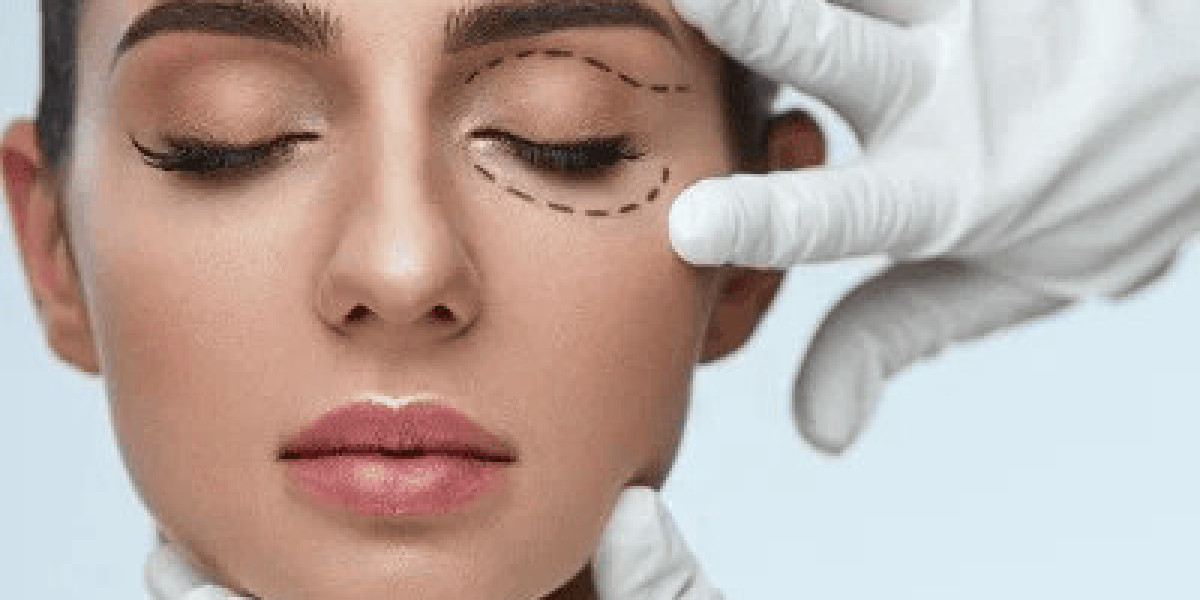

Droopy or sagging eyelids are a common concern that can affect both facial appearance and everyday vision. As people age, the delicate skin around the eyes gradually loses elasticity, muscles may weaken, and excess skin can begin to gather around the upper or lower eyelids. These changes can make the eyes appear tired, older, or less alert, even when a person feels completely refreshed. While ageing is a natural process, several treatment options can help improve the appearance of the eyelids and restore a more youthful facial appearance.
For individuals experiencing these concerns, Eyelid Surgery in Oman can be a suitable option to consider. Also known as blepharoplasty, this surgical procedure focuses on removing or repositioning excess skin and, when necessary, adjusting underlying fat and muscle around the eyes. Depending on the individual's condition, eyelid surgery can improve drooping upper eyelids, under-eye bags, and loose skin while maintaining a natural-looking appearance.
1. What Causes Droopy or Sagging Eyelids?
Droopy eyelids can develop for several reasons, and ageing is one of the most common contributing factors. The skin around the eyes is thinner and more delicate than skin in many other areas of the face. Over time, it becomes less firm, making it more likely to stretch and sag.
Several factors can contribute to this condition:
Ageing: Natural ageing reduces collagen and elastin production, causing the skin around the eyes to lose firmness.
Muscle Weakness: The muscles responsible for lifting the upper eyelids may weaken or stretch over time.
Genetics: Some individuals naturally develop heavy or hooded eyelids due to inherited facial characteristics.
Sun Exposure: Long-term exposure to ultraviolet rays can accelerate skin ageing and contribute to wrinkles and reduced elasticity.
Lifestyle Factors: Smoking, poor sleep habits, and environmental stressors may contribute to premature skin ageing.
Fat Accumulation or Redistribution: Changes in the fat surrounding the eyes can create puffiness or prominent under-eye bags.
It is also important to understand that not all droopy eyelids have the same underlying cause. Some people experience excess skin covering the natural eyelid crease, while others have a condition known as ptosis, in which the upper eyelid itself sits lower because of an issue involving the eyelid-lifting muscle or its supporting structures.
Identifying the actual cause is essential because different conditions may require different treatments.
2. Can Eyelid Surgery Fix Droopy or Sagging Eyelids?
Yes, eyelid surgery can effectively improve many types of droopy or sagging eyelids. The procedure is designed to address excess skin, protruding fat, and certain muscle-related concerns around the eyes.
Upper eyelid surgery is particularly helpful for individuals who have loose skin hanging over the natural eyelid crease. During the procedure, excess skin is carefully removed, and underlying tissues may be adjusted when necessary. This helps create a smoother eyelid contour and a more open appearance.
Lower eyelid surgery, on the other hand, focuses on concerns such as under-eye bags, puffiness, and loose skin beneath the eyes. Depending on the individual's anatomy, the surgeon may remove or reposition excess fat and tighten or support the surrounding tissues.
The benefits of eyelid surgery may include:
Reducing excess skin around the upper eyelids.
Improving the appearance of heavy or hooded eyelids.
Minimising prominent under-eye bags.
Creating a smoother and more refreshed eye area.
Improving peripheral vision when excess upper eyelid skin obstructs it.
Restoring better definition to the natural eyelid contours.
However, the results depend on the underlying cause of the drooping. If the condition is caused by true eyelid ptosis rather than excess skin, a separate or additional procedure to repair the eyelid-lifting muscle may be required.
Therefore, an appropriate assessment helps determine whether standard blepharoplasty, ptosis repair, or a combination of treatments is most suitable.
3. What Happens During an Eyelid Surgery Procedure?
Eyelid surgery is a personalised procedure, meaning the surgical approach depends on the patient's facial anatomy, skin condition, and treatment goals.
Before surgery, an assessment is generally performed to evaluate the eyelids, skin elasticity, muscle function, fat distribution, and overall eye health. The patient's medical history and expectations are also considered to establish an appropriate treatment plan.
Upper Eyelid Surgery
Upper eyelid surgery primarily addresses excess skin and tissue around the upper eyelids. An incision is usually made along the natural eyelid crease, allowing the resulting scar to remain relatively discreet once healed.
Through this incision, excess skin can be removed, and underlying fat or muscle may be adjusted if needed. The incision is then closed carefully to support proper healing and a natural-looking eyelid contour.
Lower Eyelid Surgery
Lower eyelid surgery focuses on puffiness, under-eye bags, and loose skin beneath the eyes. Depending on the individual's condition, an incision may be made just below the lower eyelashes or inside the lower eyelid.
The surgeon may remove or reposition fat to improve the transition between the lower eyelid and cheek. If excess skin is present, a carefully planned amount may also be removed.
Combined Upper and Lower Eyelid Surgery
Some individuals experience concerns affecting both the upper and lower eyelids. In these cases, both areas may be treated during the same surgical session when medically appropriate.
The overall objective is to improve the appearance of the eyes without changing their natural character or creating an excessively tight appearance.
4. Who Is a Suitable Candidate for Eyelid Surgery?
Eyelid surgery may be appropriate for adults who are concerned about excess eyelid skin, persistent puffiness, or visible signs of ageing around the eyes.
However, suitability depends on more than appearance. A proper evaluation helps determine whether the individual can safely undergo surgery and whether the procedure is likely to address the specific concern.
Potential candidates may include individuals who:
Have loose or sagging skin around the upper eyelids.
Experience heavy eyelids that create a tired appearance.
Have noticeable under-eye bags that do not improve with adequate rest.
Have excess upper eyelid skin that interferes with peripheral vision.
Want to improve age-related changes around the eyes.
Are generally healthy and have realistic expectations about surgical outcomes.
Certain medical conditions require additional consideration before treatment. These may include dry eyes, thyroid-related eye conditions, glaucoma, diabetes, cardiovascular conditions, and bleeding disorders.
Individuals with existing eye problems or previous eye surgery should discuss their medical history during the consultation.
It is also important to remember that eyelid surgery does not treat every cause of under-eye darkness, wrinkles, or drooping. A suitable treatment plan should address the actual concern rather than assume that surgery is the best solution for everyone.
5. What Are the Recovery Process and Possible Risks?
Recovery following eyelid surgery varies from person to person. Most individuals experience some temporary swelling, bruising, tightness, and mild discomfort around the treated area. These effects are generally part of the normal healing process.
During the initial recovery period, patients are usually advised to follow their post-operative instructions carefully.
Common recovery recommendations include:
Applying cold compresses as directed to help manage swelling.
Keeping the head elevated while resting.
Avoiding strenuous exercise and heavy physical activity until cleared.
Protecting the eyes from direct sunlight.
Avoiding eye rubbing and unnecessary pressure around the surgical area.
Following prescribed medication and wound-care instructions.
Attending recommended follow-up appointments.
Many people notice significant improvement in swelling and bruising within approximately one to two weeks, although complete healing and scar maturation can take longer. The final appearance may continue to improve over several weeks or months.
Although eyelid surgery is generally considered safe when performed by an appropriately qualified surgical professional, it carries potential risks.
Possible complications include:
Infection or bleeding.
Temporary blurred vision or sensitivity to light.
Dry or irritated eyes.
Difficulty fully closing the eyes.
Noticeable scarring or asymmetry.
Changes in eyelid position.
Rare vision-related complications.
Choosing an appropriately qualified surgeon, undergoing a thorough pre-operative assessment, and following recovery instructions can help reduce avoidable risks.
Any sudden vision changes, severe eye pain, significant bleeding, or rapidly increasing swelling after surgery require urgent medical attention.
6. How Long Do the Results of Eyelid Surgery Last?
One of the main advantages of eyelid surgery is that its results can be long-lasting. By removing or repositioning excess skin and fat, the procedure addresses structural changes that topical skincare products cannot correct.
Many individuals enjoy the benefits for several years. However, eyelid surgery does not stop the natural ageing process. Over time, the skin may gradually lose elasticity again, and new wrinkles or sagging can develop.
The longevity of the results depends on several factors, including:
Natural ageing and skin elasticity.
Genetics and facial structure.
Sun exposure and skincare habits.
Lifestyle choices.
The surgical technique used.
Individual healing and tissue characteristics.
Maintaining a healthy lifestyle, protecting the skin from ultraviolet exposure, and following appropriate skincare habits can help support the results.
It is also important to have realistic expectations. Eyelid surgery can improve the appearance of the eye area, but it cannot prevent all future signs of ageing or completely eliminate every wrinkle.
Frequently Asked Questions About Eyelid Surgery
1. Can eyelid surgery completely remove droopy eyelids?
Eyelid surgery can significantly improve drooping caused by excess skin and certain fat-related changes. However, complete correction depends on the underlying condition. If the drooping is caused by weakened eyelid muscles, a ptosis repair procedure may be necessary.
2. Is eyelid surgery painful?
The procedure is generally performed using local anaesthesia, sometimes with sedation, or general anaesthesia depending on the surgical plan. Patients may experience mild discomfort, tightness, swelling, or bruising during recovery, but these symptoms usually improve gradually.
3. How long does it take to recover from eyelid surgery?
Initial recovery generally takes around one to two weeks, although individual healing times vary. Swelling and bruising usually decrease during this period, while complete healing and final results may take several weeks or months.
4. Does eyelid surgery leave visible scars?
Incisions are typically placed in natural eyelid creases or other discreet locations. As healing progresses, scars generally become less noticeable. Their appearance depends on individual healing characteristics and the surgical technique.
5. Can eyelid surgery improve vision?
Yes, in certain cases. When excess upper eyelid skin hangs over the eyelashes or obstructs peripheral vision, removing the excess tissue may improve the visual field. However, surgery is not intended to correct unrelated vision problems.
6. Is eyelid surgery suitable for younger individuals?
Age alone does not determine suitability. Some younger adults naturally have hooded eyelids or inherited under-eye bags. A professional assessment is necessary to determine whether surgery is appropriate and whether the expected benefits outweigh the potential risks.
Final Thoughts
Droopy or sagging eyelids can affect facial appearance and, in some cases, interfere with everyday vision. Eyelid surgery offers an effective option for addressing excess skin, prominent under-eye bags, and certain age-related changes around the eyes.
By carefully assessing the underlying cause, an appropriate surgical approach can help create a more refreshed appearance while preserving natural facial features. Whether the concern involves heavy upper eyelids, loose lower eyelid skin, or puffiness beneath the eyes, understanding the available treatment options is an important first step.
A professional consultation is essential for determining whether upper eyelid surgery, lower eyelid surgery, ptosis repair, or another approach is most appropriate. With realistic expectations, proper surgical planning, and suitable aftercare, individuals can make informed decisions about improving their eyelid appearance and overall eye-area comfort.
Read More About Eyelid Surgery: https://www.panchit.com/blogs/142033/Eyelid-Surgery-for-Hooded-Eyes-What-Are-Your-Options






