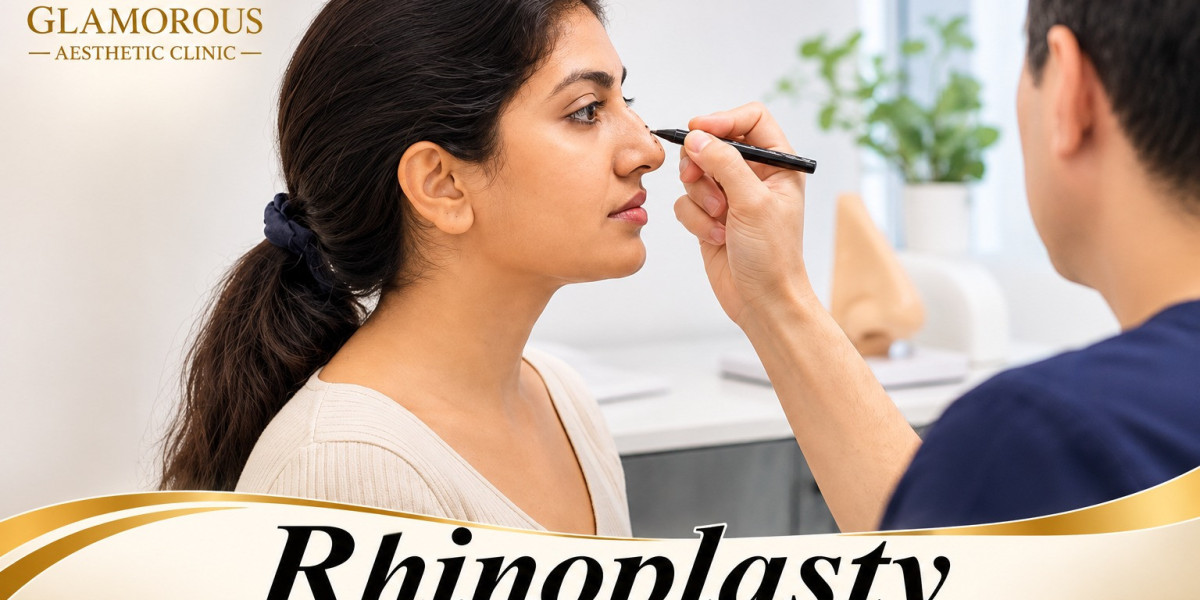

Patience is perhaps the most important virtue you will need, as true results take time to reveal themselves beneath the swelling.
Introduction
Post-operative swelling is a natural, expected, and entirely normal part of the healing process.
For patients seeking facial refinement, understanding this timeline is crucial to avoid unnecessary anxiety.
When undergoing Rhinoplasty in Islamabad, the duration of swelling varies significantly depending on your skin type and the complexity of the procedure.
While the most dramatic swelling subsides within the first month, subtle residual puffiness can persist for up to a year or more.
This guide provides a clear, detailed timeline of how swelling resolves, helping you set realistic expectations for your transformation.
What causes swelling after nasal surgery?
Swelling, or edema, is the body’s natural inflammatory response to the controlled trauma of surgery. During the procedure, the skin and soft tissues are lifted, and the underlying bone and cartilage are modified, which disrupts tiny blood vessels and lymphatic channels. This disruption causes fluid to accumulate in the tissues as the body sends healing cells to the area. The extent of this swelling is directly proportional to the amount of surgical manipulation required; more complex structural changes naturally result in a more pronounced inflammatory response.
Swelling, or edema, is the body’s natural inflammatory response to the controlled trauma of surgery. During the procedure, the skin and soft tissues are lifted, and the underlying bone and cartilage are modified, which disrupts tiny blood vessels and lymphatic channels. This disruption causes fluid to accumulate in the tissues as the body sends healing cells to the area. The extent of this swelling is directly proportional to the amount of surgical manipulation required; more complex structural changes naturally result in a more pronounced inflammatory response.
How much swelling resolves in the first month?
The most rapid reduction in swelling occurs during the first four weeks following surgery. By the end of the first month, approximately seventy to eighty percent of the visible swelling will have subsided, and all external bruising will have faded. At this stage, the nasal bridge will look significantly smoother and more defined, and you will feel comfortable appearing in public without feeling self-conscious. However, the nasal tip will still feel firm and appear somewhat bulbous, as the thicker skin in this area retains fluid much longer than the upper nose.
The most rapid reduction in swelling occurs during the first four weeks following surgery. By the end of the first month, approximately seventy to eighty percent of the visible swelling will have subsided, and all external bruising will have faded. At this stage, the nasal bridge will look significantly smoother and more defined, and you will feel comfortable appearing in public without feeling self-conscious. However, the nasal tip will still feel firm and appear somewhat bulbous, as the thicker skin in this area retains fluid much longer than the upper nose.
Why does the nasal tip remain swollen the longest?
The nasal tip is the most dependent part of the nose, meaning gravity naturally pulls inflammatory fluid downward, causing it to pool in this area. Additionally, the skin at the tip is typically thicker and contains more sebaceous glands, which makes it slower to contract and shrink-wrap over the newly sculpted cartilage framework. The lymphatic vessels in the tip are also the last to regenerate and drain fluid effectively after being disrupted during surgery. Consequently, the tip can remain puffy and slightly undefined for many months, requiring significant patience from the patient.
The nasal tip is the most dependent part of the nose, meaning gravity naturally pulls inflammatory fluid downward, causing it to pool in this area. Additionally, the skin at the tip is typically thicker and contains more sebaceous glands, which makes it slower to contract and shrink-wrap over the newly sculpted cartilage framework. The lymphatic vessels in the tip are also the last to regenerate and drain fluid effectively after being disrupted during surgery. Consequently, the tip can remain puffy and slightly undefined for many months, requiring significant patience from the patient.
How does skin thickness impact the duration of swelling?
Skin thickness is the single most significant variable in determining how long swelling will last. Patients with naturally thin skin will see the refined contours of their new nose much earlier, often appreciating the final shape within six to nine months. Conversely, patients with thick, oily skin have a much longer healing journey, as the heavy tissue takes considerably more time to adhere tightly to the underlying structure. For these individuals, subtle swelling in the tip can persist for eighteen to twenty-four months before fully resolving and revealing the final definition.
Skin thickness is the single most significant variable in determining how long swelling will last. Patients with naturally thin skin will see the refined contours of their new nose much earlier, often appreciating the final shape within six to nine months. Conversely, patients with thick, oily skin have a much longer healing journey, as the heavy tissue takes considerably more time to adhere tightly to the underlying structure. For these individuals, subtle swelling in the tip can persist for eighteen to twenty-four months before fully resolving and revealing the final definition.
Can certain activities make the swelling worse?
Yes, several lifestyle factors and activities can temporarily exacerbate or prolong post-operative swelling. Consuming a diet high in sodium causes the body to retain water, which can make the nose appear puffier, especially in the morning. Strenuous exercise, heavy lifting, or bending over can spike blood pressure and force more fluid into the healing tissues. Exposure to extreme heat, such as hot showers, saunas, or direct sunlight, can also cause blood vessels to dilate, increasing inflammation. Managing these factors is essential for keeping swelling to a minimum.
Yes, several lifestyle factors and activities can temporarily exacerbate or prolong post-operative swelling. Consuming a diet high in sodium causes the body to retain water, which can make the nose appear puffier, especially in the morning. Strenuous exercise, heavy lifting, or bending over can spike blood pressure and force more fluid into the healing tissues. Exposure to extreme heat, such as hot showers, saunas, or direct sunlight, can also cause blood vessels to dilate, increasing inflammation. Managing these factors is essential for keeping swelling to a minimum.
What can patients do to reduce swelling effectively?
While you cannot eliminate swelling entirely, several proven strategies can help your body drain fluid more efficiently. Sleeping with your head elevated on two or three firm pillows for the first few weeks prevents fluid from pooling in your face overnight. Applying gentle, intermittent cold compresses to the cheeks (never directly on the nose) during the first forty-eight hours can constrict blood vessels and reduce initial inflammation. Staying meticulously hydrated and consuming a diet rich in anti-inflammatory foods, such as leafy greens and berries, will also support your body’s natural healing mechanisms.
While you cannot eliminate swelling entirely, several proven strategies can help your body drain fluid more efficiently. Sleeping with your head elevated on two or three firm pillows for the first few weeks prevents fluid from pooling in your face overnight. Applying gentle, intermittent cold compresses to the cheeks (never directly on the nose) during the first forty-eight hours can constrict blood vessels and reduce initial inflammation. Staying meticulously hydrated and consuming a diet rich in anti-inflammatory foods, such as leafy greens and berries, will also support your body’s natural healing mechanisms.
When is it safe to judge the final, swelling-free result?
Surgeons universally advise waiting at least twelve months before making any final judgments about the aesthetic outcome of the surgery. At the one-year mark, the vast majority of the subtle, residual swelling has resolved, and the nose has settled into its permanent, stable position. For patients with thick skin or those who underwent complex revision surgery, waiting a full eighteen months is highly recommended. Only after this extended period can you truly appreciate the final symmetry, crisp definition, and overall harmony of your new nasal profile.
Surgeons universally advise waiting at least twelve months before making any final judgments about the aesthetic outcome of the surgery. At the one-year mark, the vast majority of the subtle, residual swelling has resolved, and the nose has settled into its permanent, stable position. For patients with thick skin or those who underwent complex revision surgery, waiting a full eighteen months is highly recommended. Only after this extended period can you truly appreciate the final symmetry, crisp definition, and overall harmony of your new nasal profile.
Swelling Resolution Timeline
Timeframe | Swelling Percentage Resolved | Visual Characteristics |
|---|---|---|
Week 1 | 0-20% | Maximum swelling, splint in place, noticeable bruising. |
Month 1 | 70-80% | Bridge refined, bruising gone, tip still firm and puffy. |
Month 6 | 85-90% | Tip begins to show definition, subtle swelling remains. |
Month 12-18 | 100% | All residual swelling resolved, permanent final outcome. |
Frequently Asked Questions
Is it normal for swelling to fluctuate throughout the day?
Yes, it is very common for the nose to look more swollen in the morning or after eating salty foods due to temporary fluid retention.
Is it normal for swelling to fluctuate throughout the day?
Yes, it is very common for the nose to look more swollen in the morning or after eating salty foods due to temporary fluid retention.
Can massage help reduce swelling faster?
Only if explicitly instructed and demonstrated by your surgeon; improper massage can damage the healing structures or displace grafts.
Only if explicitly instructed and demonstrated by your surgeon; improper massage can damage the healing structures or displace grafts.
Will the swelling ever make my nose look wider than before surgery?
Temporary swelling can make the nose appear wide, but once the fluid resolves, the underlying structural narrowing will become clearly visible.
Temporary swelling can make the nose appear wide, but once the fluid resolves, the underlying structural narrowing will become clearly visible.
What if one side of my nose is more swollen than the other?
Mild asymmetrical swelling is completely normal during healing and typically evens out as the inflammation fully subsides.
Mild asymmetrical swelling is completely normal during healing and typically evens out as the inflammation fully subsides.
Final Thoughts
Navigating the swelling phase of nasal surgery requires trust, patience, and a commitment to healthy healing habits. By understanding that swelling is a temporary, necessary part of the process, you can avoid premature disappointment and appreciate the gradual, beautiful refinement of your nose. Follow your surgeon’s aftercare instructions diligently, protect your nose from trauma, and allow your body the time it needs to reveal your stunning, permanent results.
Navigating the swelling phase of nasal surgery requires trust, patience, and a commitment to healthy healing habits. By understanding that swelling is a temporary, necessary part of the process, you can avoid premature disappointment and appreciate the gradual, beautiful refinement of your nose. Follow your surgeon’s aftercare instructions diligently, protect your nose from trauma, and allow your body the time it needs to reveal your stunning, permanent results.
About the doctor and clinic
Medically reviewed by Dr. Ahmed Ali, Plastic and Reconstructive Surgeon
Dr. Ahmed Ali is a Plastic and Reconstructive Surgeon with an MBBS from Ayub Medical College and an FCPS in Plastic Surgery. He worked as a Clinical Fellow in Plastic Surgery at Fauji Foundation Hospital Rawalpindi from 2020 to 2023, and he practises at Glamorous Aesthetics Clinic (Glam Aesthetics), an IHRA-licensed clinic in Islamabad.
Clinic: Glamorous Aesthetics Clinic (Glam Aesthetics)
Address: Office 20-21, Basement, Interlace Plaza, I-8 Markaz, Islamabad
Phone / WhatsApp: +92 327 5479779
Email: info@glamaesthetics.com.pk
Timings: Open 24 hours, Monday to Sunday
Consultation: Free. Reserve a visit with Book now.
Last updated: November 09, 2026
This article is for general information only and does not replace personal medical advice from a qualified surgeon.










